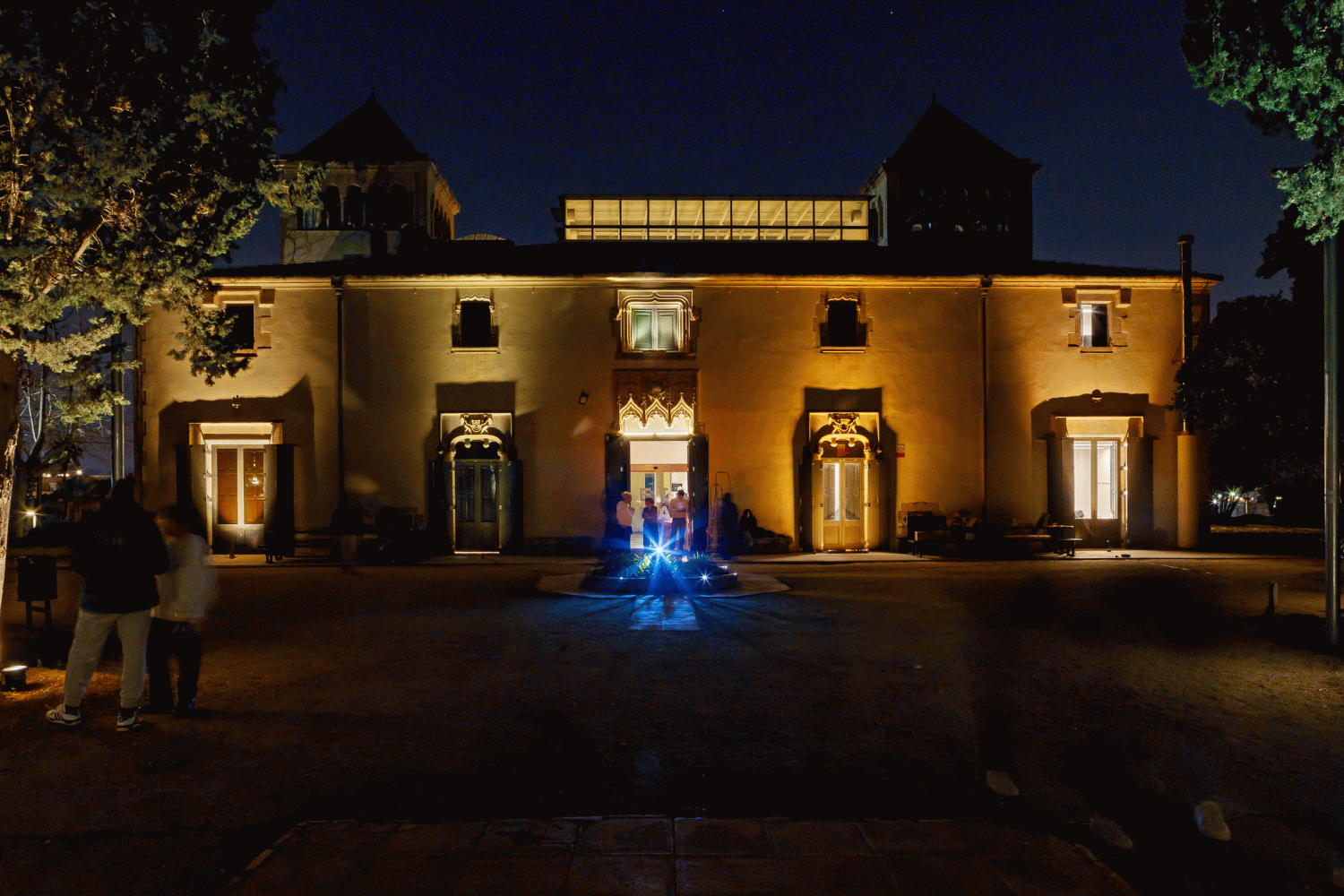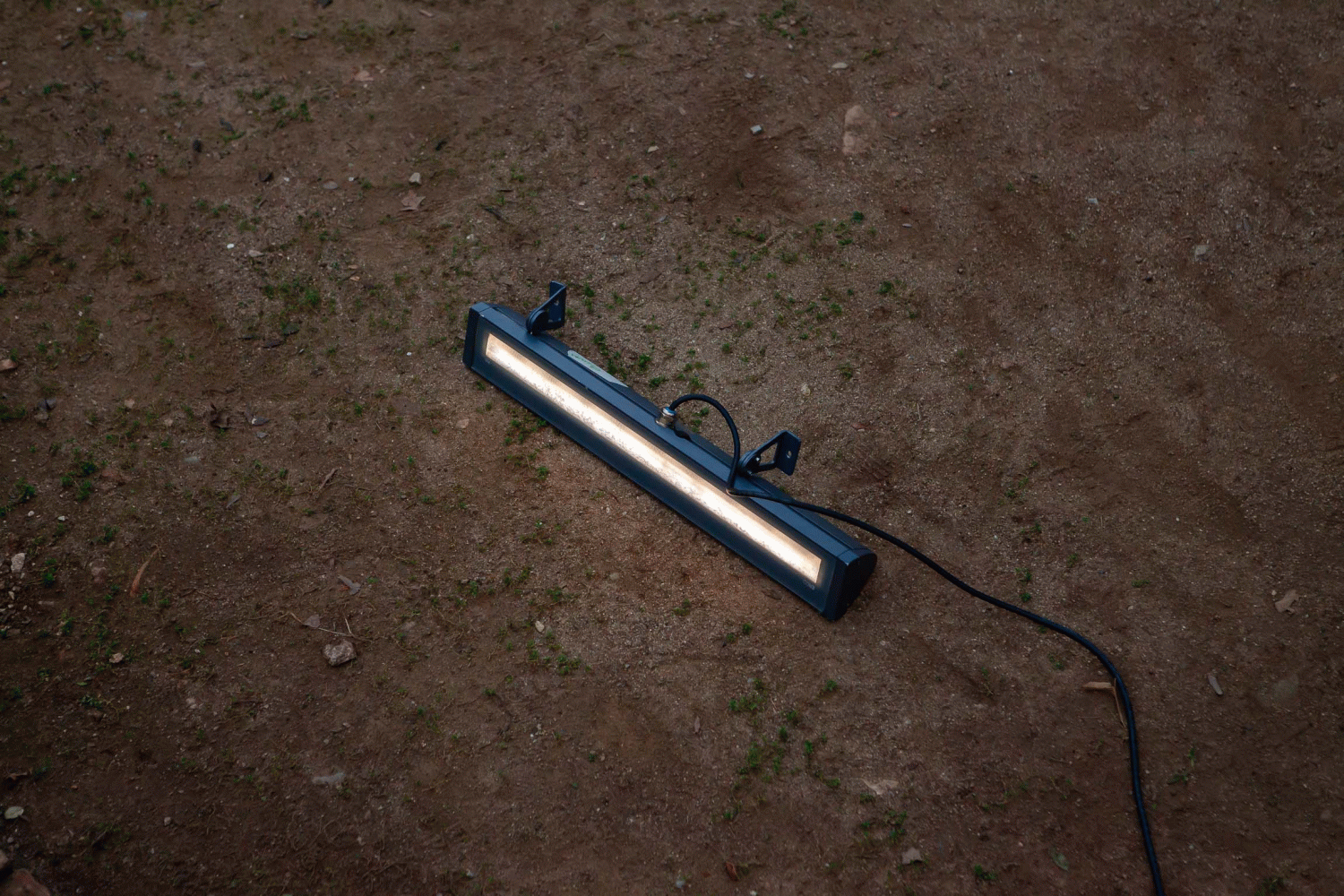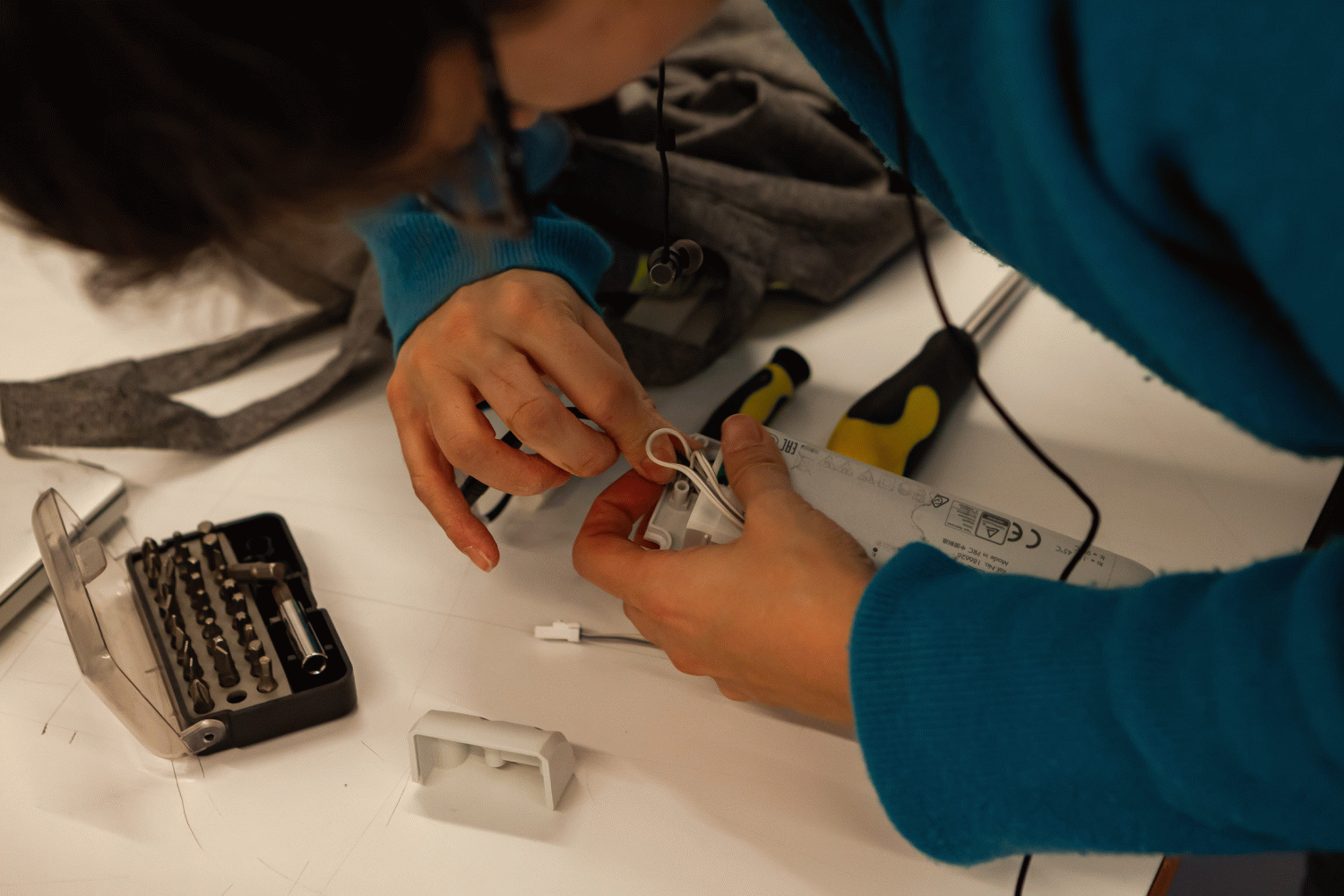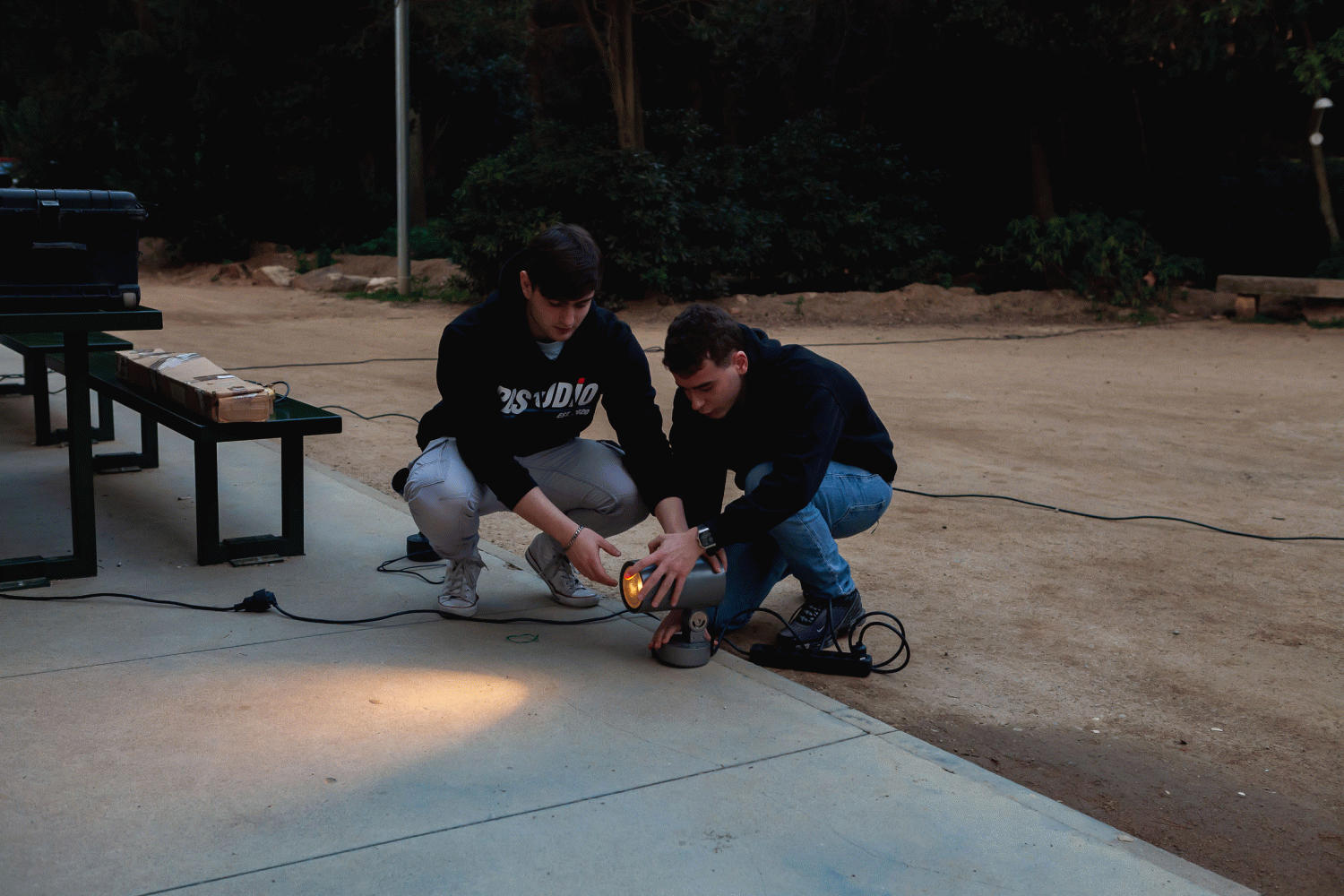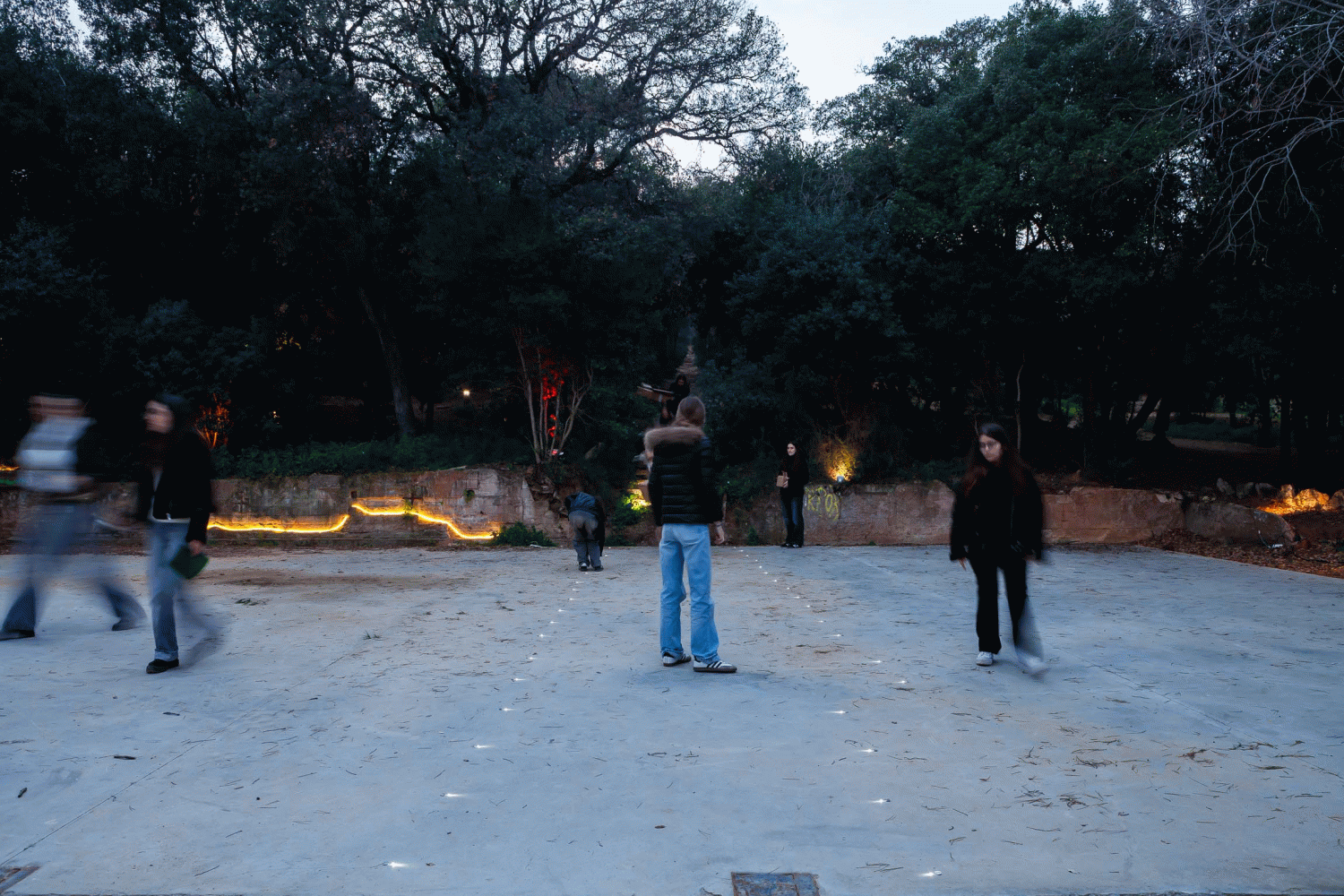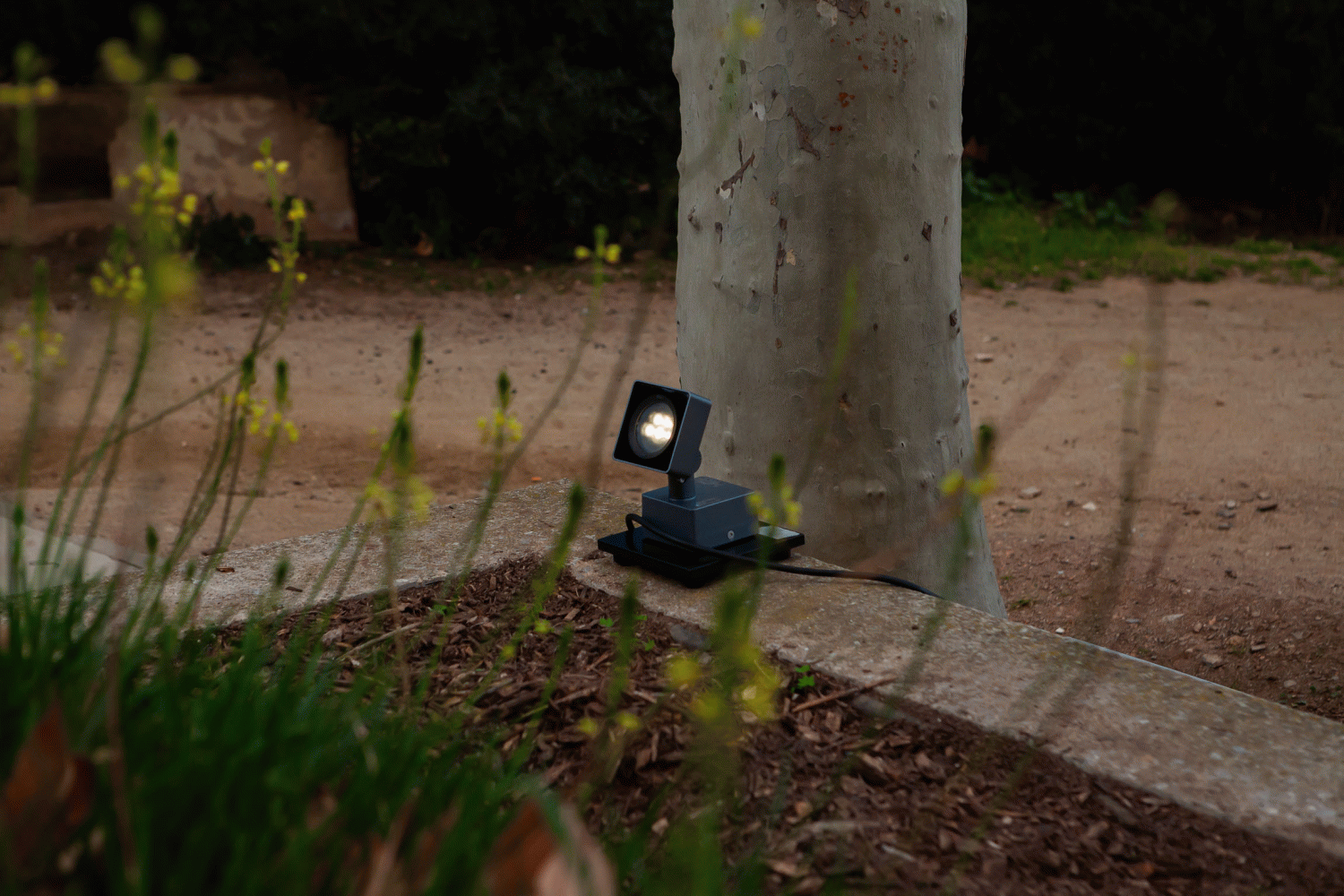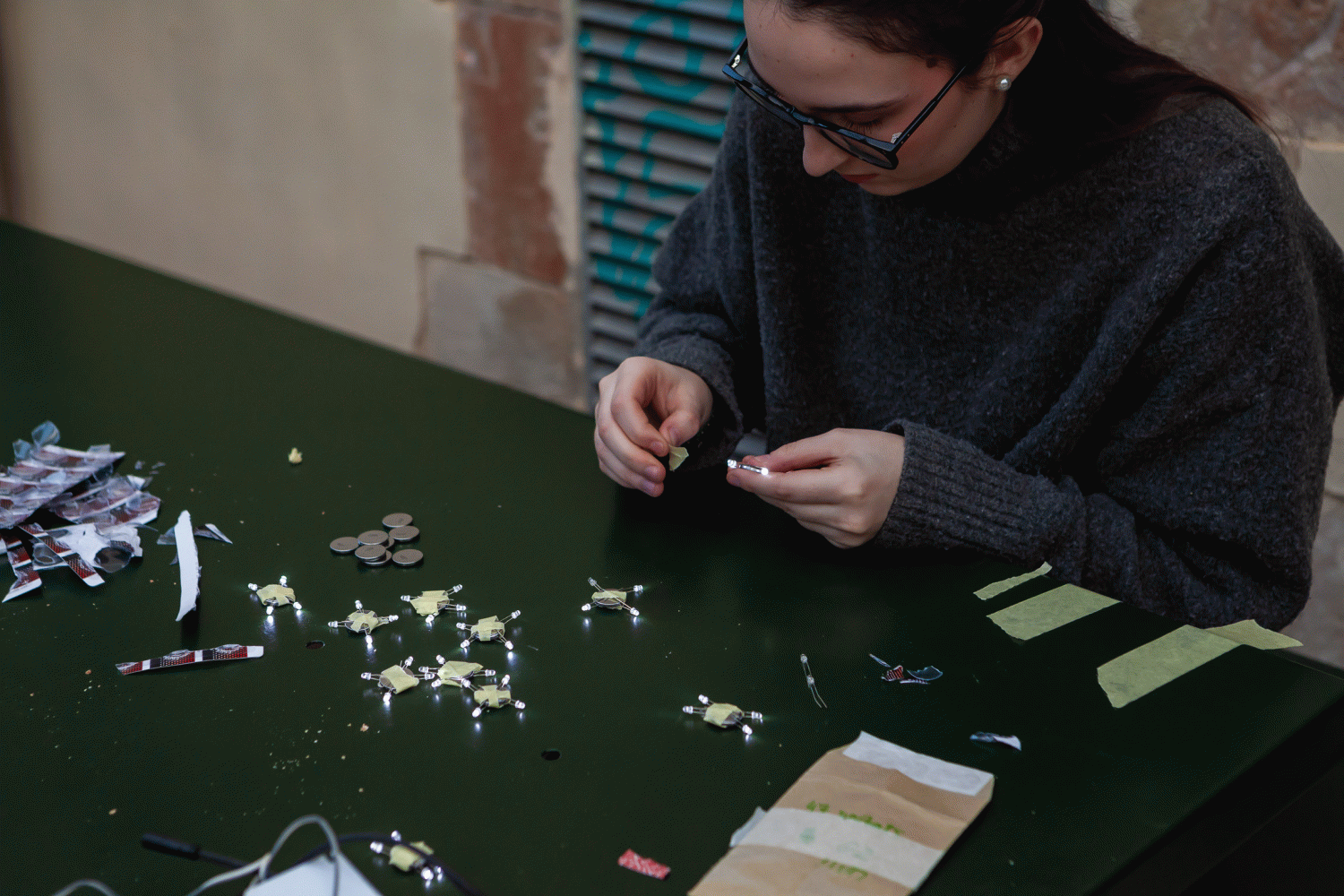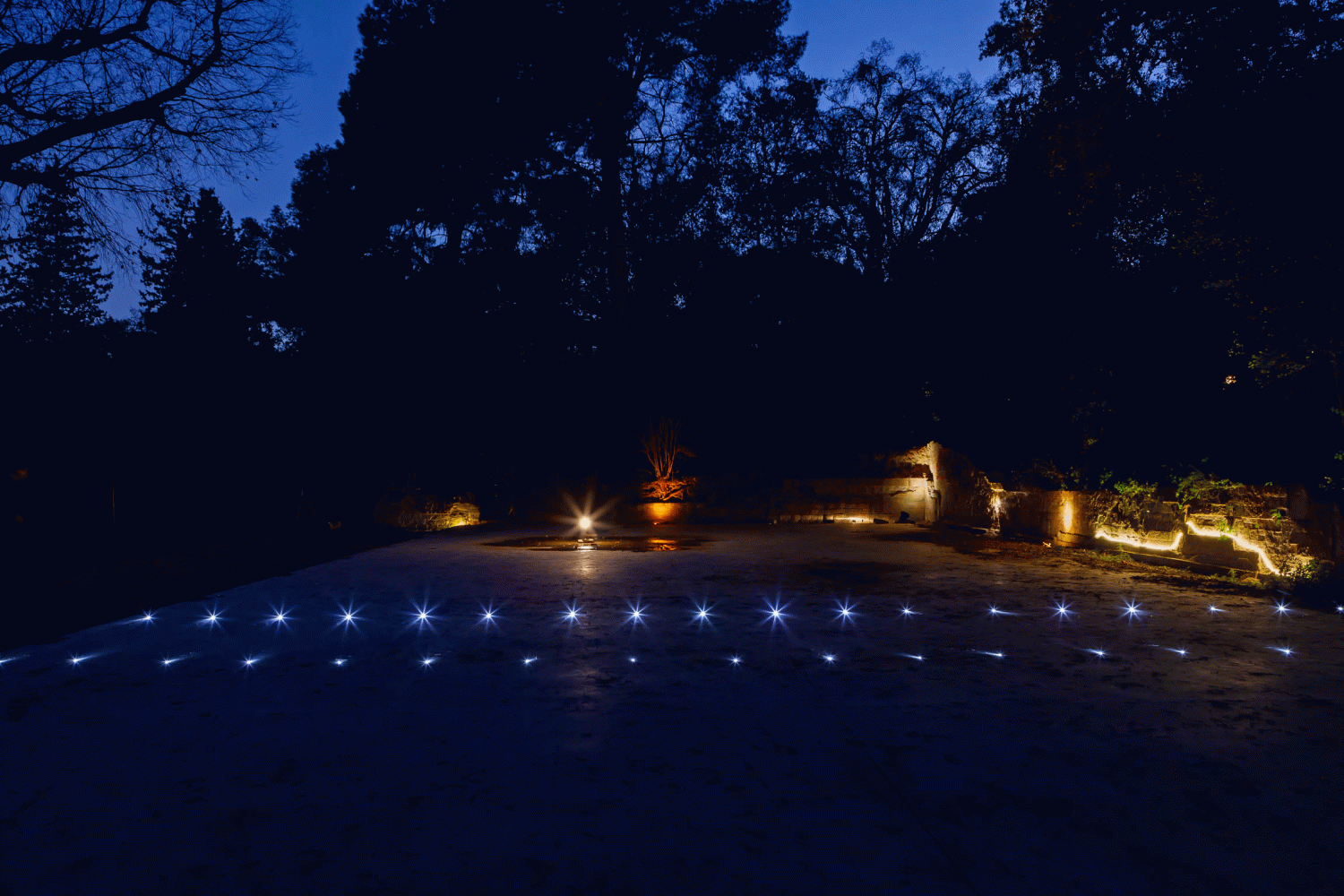




Eina’s Advanced Programme in Lighting Design: Product and Space is a specialised programme that trains professionals to master light as a design tool. You will learn to create innovative lighting products and spaces by combining technology, sustainability and aesthetics, and by applying the latest advances in the field.
This programme is the result of collaboration with CICAT (Catalonia’s Lighting Cluster), integrating both business expertise and current professional trends to guarantee practical training aligned with the demands of the labour market.
Download the information guide ↧
→ Request an interview
→ From 4 October 2027 to 17 February 2028
→ Monday, Tuesday and Thursday, 5 pm to 8.30 pm
→ On-site – 180 hours
→ 4.950 €
The programme stands out for its direct connection with the professional sector: collaborations with companies, visits to industries and specialised studios, and the opportunity to gain first-hand insight into processes, teams and trends in the world of lighting. This strong link to the business fabric ensures practical, up-to-date training aligned with real market needs.
This advanced programme is structured into two courses that may be taken independently or combined, allowing students to tailor their training according to their interests and needs:
Training focused on designing innovative and sustainable lighting products by integrating creativity, technology and industrial feasibility. The programme combines technical knowledge with a design-driven approach to develop luminaires and lighting solutions in line with current industry trends.
Training in designing and managing light as a spatial and expressive tool, in both interior and urban contexts. The programme blends architecture, art and technology to create sustainable, character-driven atmospheres, shaping a lighting designer profile with aesthetic sensitivity and strong technical judgement.
Programme Overview
The Advanced Programme in Lighting Design: Product and Space prepares professionals to lead innovative lighting projects by combining creativity, technology and sustainability.
The programme responds to real industry needs, addressing the high demand for qualified professionals capable of filling specialised lighting design roles. The shortage of specific talent has driven the creation of this programme, developed in alignment with the sector to meet these needs.
It offers practical, up-to-date training based on real projects and professional practice, equipping students with the tools and resources required to adapt to market demands and the latest trends in the lighting sector.
With a strong technological component, the programme integrates the latest innovations in lighting systems and product and spatial design, ensuring that students acquire the skills needed to apply efficient, sustainable and aesthetically valuable solutions.
Target Audience
This programme is designed for designers, architects and engineers with professional experience who wish to specialise in product and spatial lighting (interior and exterior).
It is also open to recent graduates and professionals from other disciplines who are motivated to specialise in lighting, offering them an opportunity for professional development and integration into the industry through an applied, real-world-oriented learning approach.
What You Will Learn
You will learn to design and manage light applied to products and spaces, combining technical knowledge, creativity and sustainability. The programme covers the fundamentals of light and colour theory, lighting technology and systems, and the conceptualisation and development of coherent and expressive projects, as well as regulation, safety and accessibility.
You will also explore lighting narrative to create atmospheres and visual experiences. You will work with prototyping, simulation and representation tools to validate ideas, and take part in hands-on workshops with direct contact with companies in the sector, developing integrated projects aligned with professional practice.
Methodology
• Theoretical classes for conceptual and technical foundations
• Practical workshops with real or simulated projects in collaboration with companies
• Masterclasses by leading professionals
• Projects presented and defended before expert panels
• Internships in companies (optional and extracurricular; subject to validation depending on the pathway chosen and company availability)
Career Opportunities
Graduates of the Advanced Programme in Lighting Design: Product and Space can develop their careers in companies in the sector or through independent projects, thanks to training that combines technical skills, creativity and strategic thinking.
Some key professional profiles include: lighting designer, lighting product designer, technical consultant, entrepreneur, educator or researcher. These roles involve creating atmospheres and visual experiences, developing sustainable and innovative solutions, integrating technology and regulation, and collaborating within interdisciplinary environments.
Teaching Staff
The Advanced Programme in Lighting Design: Product and Space features a teaching team made up of active professionals and leading figures in design, architecture and lighting technology. Coordinated by CICAT, the programme is directly connected with top-tier companies and studios to ensure up-to-date, practice-based training.
Notable teaching professionals include: Sophya Acosta, Anna Alcubierre (PhD), Jordi Arasanz, Toni Arola, Marc Ballbé, Jordi Ballesta, Alberto Barberà, Ainara Bilbao (PhD), Jordi Blasi, Jordi Esteve, Marta Florensa, Laura Grau, Ricard Llimós, Nicolás Machado, David Martí, Michela Mezzavila, Jordi Moya, Jordi Plà, Clàudia Roselló, Àfrica Sabé, Rebeca Sanchez and Dani Vila.
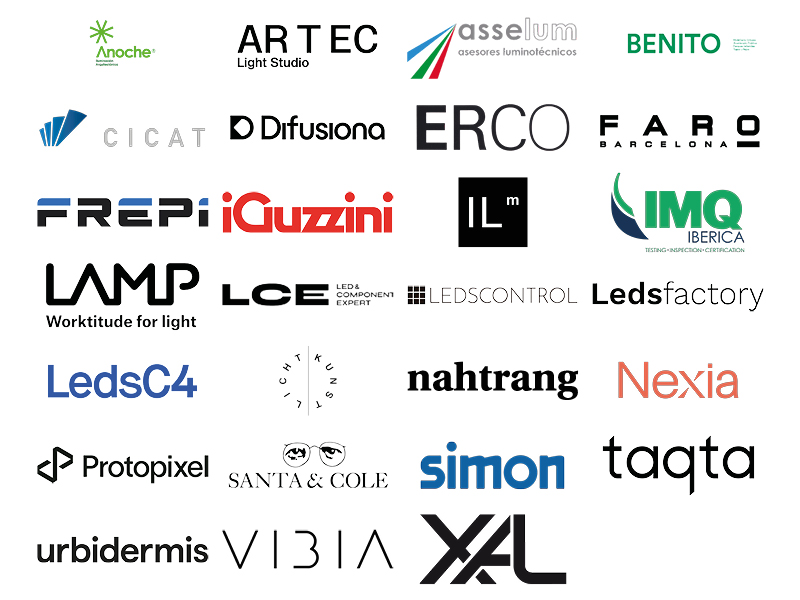
Collaborating companies include: Anoche iluminación, Artec, Asselum, Benito Urban, CICAT, Difusiona, Erco, Faro, Frepi, iGuzzini, ILM Barcelona, IMQ Ibérica, LAMP, Led & Component Expert, Leds Control, Leds, Factory, LedsC4, LKL Design Hub, MMAS Lighting, Nahtrang, Nexia, Protopixel, Santa &, Cole, Simon, Taqta, Urbidermis, Vibia, XAL.
A multidisciplinary team combining experience, innovation and a contemporary vision of lighting design.
Lighting Design: Product and Space – Study Plan
This advanced programme is structured into two specialised courses that students may take separately or together, offering flexible training adapted to individual interests and goals.
Advanced Studies Course in Lighting Product Design
Light as the Origin of Design
Introduction to the fundamental concepts of light as an expressive and technical material in product design. The module explores visual perception, the physical and aesthetic properties of light, and its ability to define form, identity and experience.
From Concept to Experience
This module focuses on transforming an idea into a tangible concept. Students will learn to define, represent and communicate a lighting design proposal through technical and narrative criteria. Safety, prototyping and user experience are explored to build coherent and feasible products.
Light Engineering
What defines the internal functioning of a lighting product? The module covers LED technologies, optical and electronic systems and new smart solutions applied to design. Emphasis is placed on the relationship between technical decisions and the expressive and lighting quality of the final result.
Meaningful Production: Industry and Sustainability
A bridge between design and the production process. Students will learn to translate a conceptual proposal into a finished object, taking into account industrial processes, sustainability and environmental responsibility. Work includes supplier engagement, material selection and circularity strategies.
Light and Projection: Innovation, Well-being and Professional Identity
A synthesis and professional development module concluding the course. It addresses emerging trends in human-centred lighting, the relationship between light, well-being and experience, and technological innovation applied to lighting product design. Students consolidate their identity as lighting design professionals, exploring entrepreneurship strategies, brand collaboration and project communication. The module culminates with the development and presentation of a product project evaluated by industry experts.
Advanced Studies Course in Lighting Atmospheres Design
Foundations and Languages of Light in Space
Introduction to light as an essential material in the configuration and perception of space. Through a theoretical-practical approach, the module covers the physical, perceptual and historical foundations of architectural lighting design. Students gain a global understanding of how light defines volume, atmosphere and spatial narrative, and are introduced to the methodology and tools of lighting projects. Sessions combine theory, graphic representation and technical visits.
Dwelling in Light
An in-depth exploration of the role of light in interior architectural space as a tool to create ambience, functionality and comfort. Students will learn to design light according to the use, typology and narrative of spaces, working with materiality, reflection and calculation tools. The module promotes an integrated approach combining sensory perception with technical criteria.
Languages of Light
An exploration of the expressive, artistic and narrative dimension of light in spatial design. Using examples from stage design, museography and the arts, the module examines light as a medium capable of generating emotion, storytelling and meaning. Students develop critical sensitivity and learn to apply these principles to architectural or experimental projects.
Light and the City: Identity and Sustainability
A study of lighting in public and urban spaces as a tool to define identity, safety and environmental quality. Students learn the technical, regulatory and environmental criteria involved in exterior lighting design, with special emphasis on light pollution. The module promotes a critical and sustainable approach to the role of light in the contemporary city and its relationship with well-being, landscape and biodiversity.
Light and the Future: Well-being, Health and Environmental Awareness
This final module reflects on the role of light in human health, well-being and quality of life. It covers the principles of Human-Centric Lighting, the impact of light on human biology and psychology, and new trends that balance technology, emotion and environmental responsibility. It also examines future perspectives for lighting designers in a changing context and includes the presentation of a transversal project synthesising the knowledge acquired.
Header image: Projecte del Grau en Disseny Greta de Francina Ayuso
20% discount for:
- Former students who have completed a Graduate, Bachelor's, Master's or Postgraduate programme at Ein
10% discount for:
- Current students of Eina
- Staff from CICAT partner companies
- Members of the Associació Catalana de Cistellers i Cistelleres
- Members of the Catalan Association of Glass Arts
- Members of the Catalonian Ceramist Association (ACC)
- Members of the Catalan Association of Art Critics (ACCA)
- Members of the Association of Museologists of Catalonia (AMC)
- Members of the Association of Professional Illustrators of Valencia (APIV)
- Members of the Professional Association of Illustrators of Catalonia (APIC)
- Members of the Catalonia Trade, Crafts and Fashion Consortium (CCAM), holders of the artisan card, and participants in the CCAM Young Talent programme
Single payment option:
- 100% upon acceptance (to guarantee your place, payment must be made within 10 days of being accepted).
Installment payment option:
- 50% upon acceptance (to guarantee your place, payment must be made within 10 days of being accepted).
- 50%: 30 days before the course begins.
For further details check on academic info.