



The Advanced Programme in Contemporary Crafts and Design is a specialised programme that trains professionals capable of creating, designing and producing unique handcrafted objects by combining traditional techniques with advanced digital technologies. This practice-based and market-oriented Advanced Studies Diploma enables participants to experience all stages of the creative process, from ideation to the commercialisation of the final product.
Download the information guide ↧
Online information session, October 6 at 4 pm
→ Request an interview
→ From 7 October 2026 to 4 February 2027
→ From October to December: online format. From January to February: onsite format
→ Schedule
Online sessions: Wednesday and Friday, from 5:30 to 7:30 pm + 1 intensive in-person month in Barcelona, Monday to Thursday from 5 to 8 pm
→ 240 hours
→ €4,710
→ Open registration
This Diploma consists of two Advanced Studies Courses, which may also be taken independently:
→ Calendar
Advanced Course in New Territories of Craft Practices (100% online)
From October 7 to December 2, 2026
→ Wednesday and Friday, from 5:30 to 7:30 pm (online sessions)
Advanced Course in Craft Publishing and Production (blended format)
From December 4, 2026 to February 4, 2027
→ Wednesday and Friday, from 5:30 to 7:30 pm (online sessions)
From January 11 to February 4
→ Monday to Thursday from 5 to 8 pm (in person)
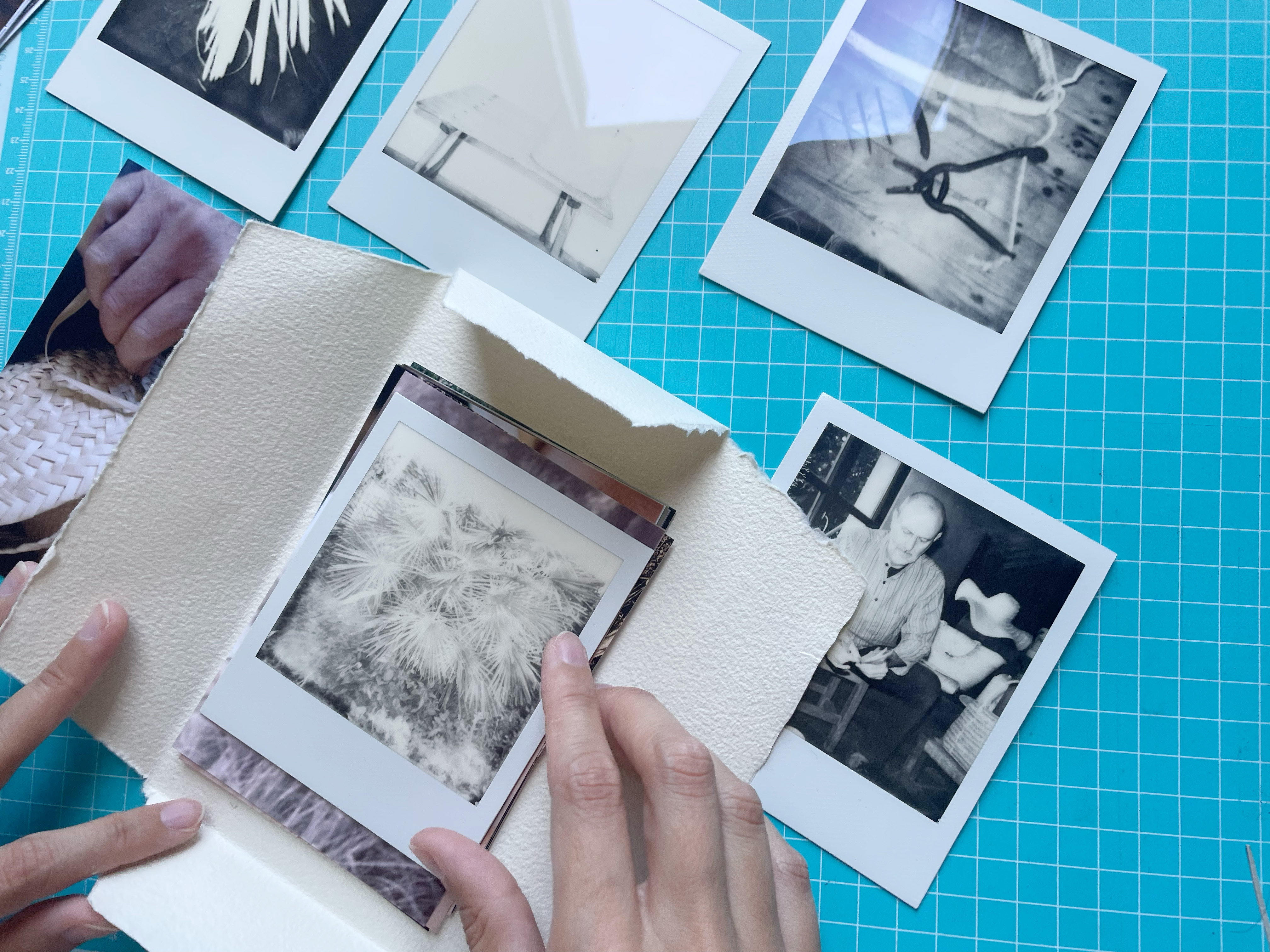
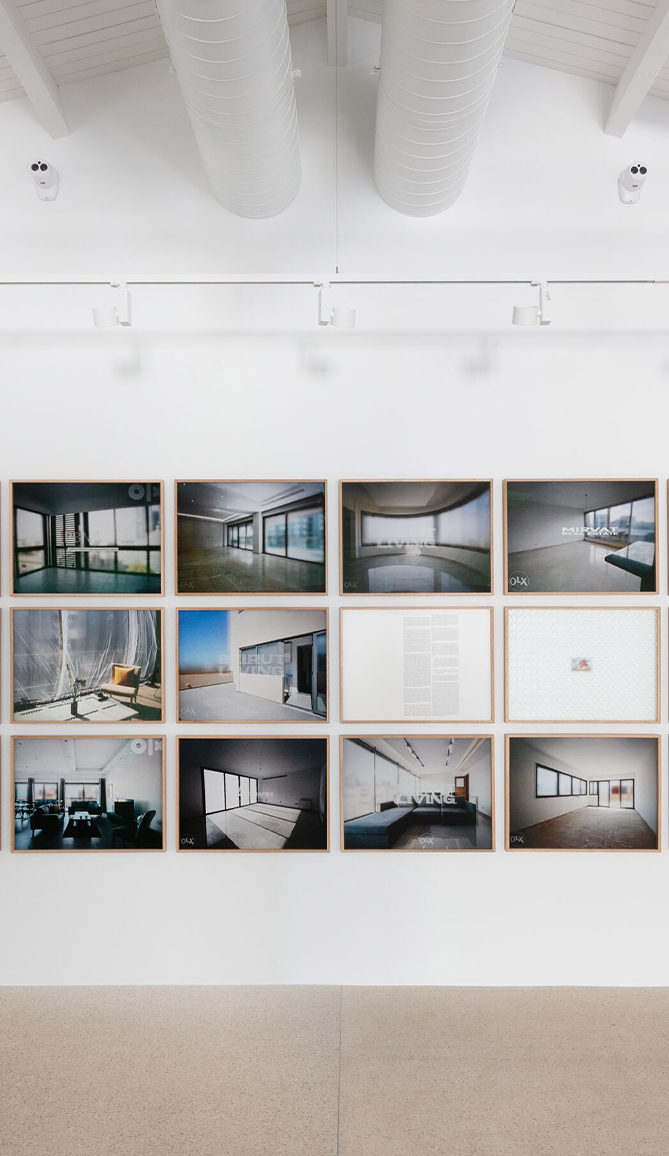
Final Project of the University Master's Degree in Research in Art and Design (MURAD) by Francisca Vallejos - La artesanía en cuestión
Presentation of the Advanced Programme in Contemporary Crafts and Design
The Advanced Programme in Contemporary Crafts and Design fosters the convergence of contemporary craft practices with current design practices. In the digital era, crafts have evolved, and traditional skills have been integrated into intelligent design processes involving computational models. Even the application of artificial intelligence to craft can preserve the artistic character of unique handmade pieces and the know-how passed down from generation to generation. When cultural heritage and digital manufacturing converge, it becomes possible to preserve living craft traditions while, at the same time, opening up new approaches to their design and creation.
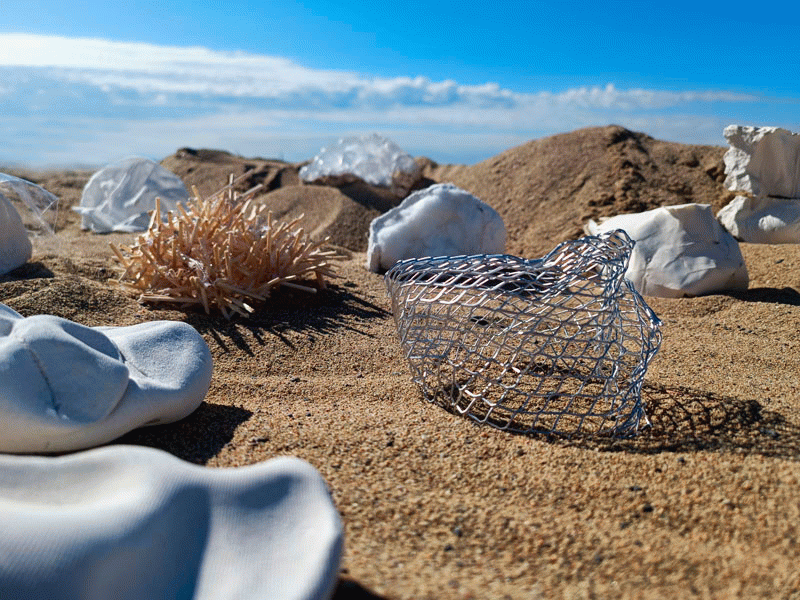
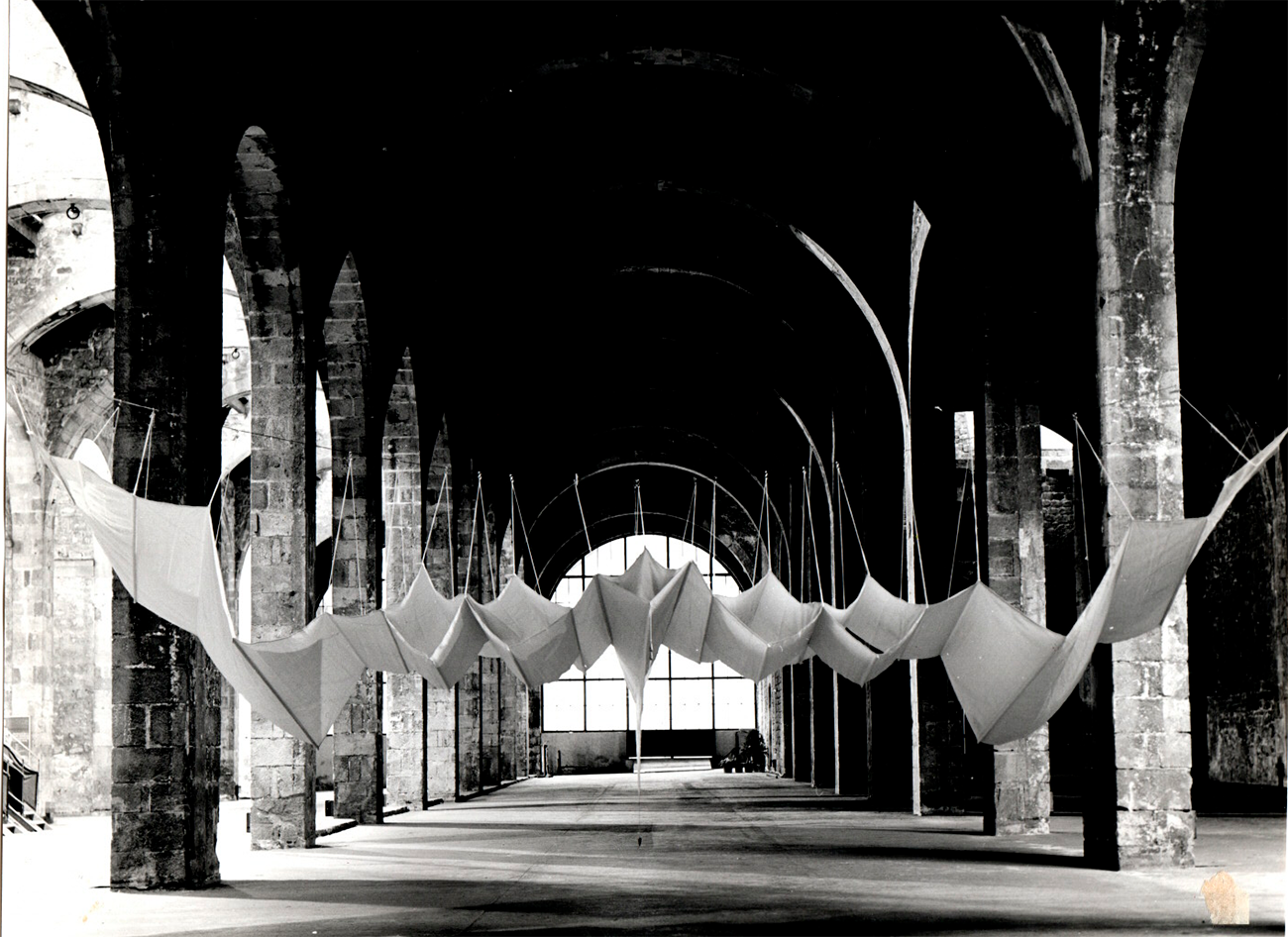
Final Project of the Bachelor in Design by Marina Palmes Vives - CONTRACREACIÓ: Una estratègia per a la intervenció interdisciplinària
Why study Contemporary Crafts and Design at Eina
Contemporary Crafts and Design at Eina is a programme that invites participants to rethink craft from a contemporary, critical and professional perspective. Building on traditional know-how, the Diploma integrates design tools, digital technologies and an understanding of cultural, social and market contexts in order to help craft practitioners evolve their language, strengthen their identity and project it into the future.
The programme is structured around five key areas:
Critical Perspective and Sustainability
To analyse the role of crafts within the contemporary context, incorporating criteria of sustainability, social responsibility and conscious use of resources.
Digital Tools Applied to Craft
An introduction to digital manufacturing in order to optimise processes, explore formal and functional solutions, and reduce time and errors, without losing manual skill or artistic character.
Design Methodologies
To learn design tools that enable more confident creative decision-making, a deeper understanding of client needs, and the development of products with contemporary relevance.
Development of a Personal Style
To build a distinctive craft language that connects tradition and contemporaneity, strengthening the narrative of each piece and improving its communication and projection.
Craft Intelligence
To integrate technology, intuition and social awareness in order to create culturally meaningful, functionally precise pieces aligned with the Sustainable Development Goals (SDGs).
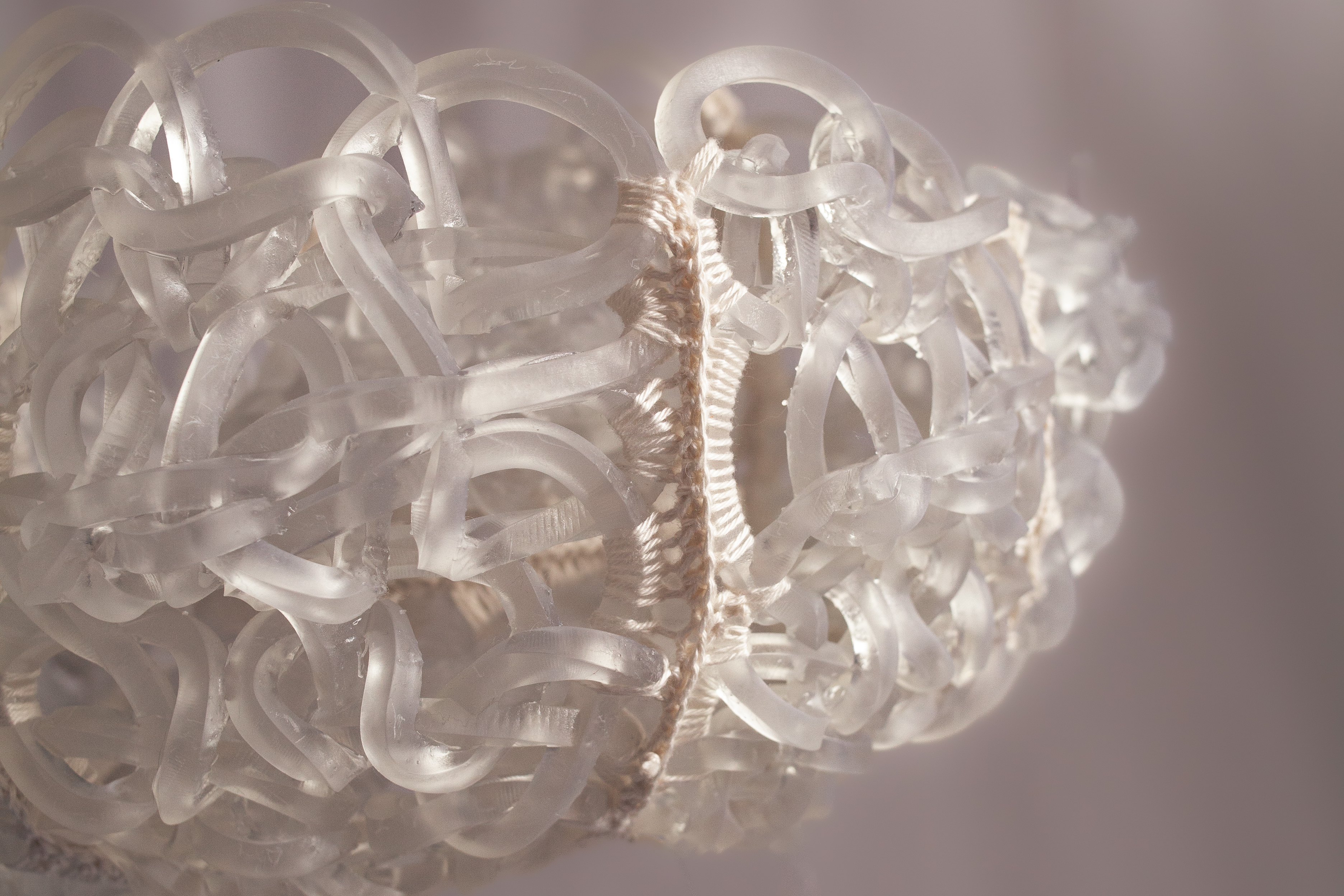
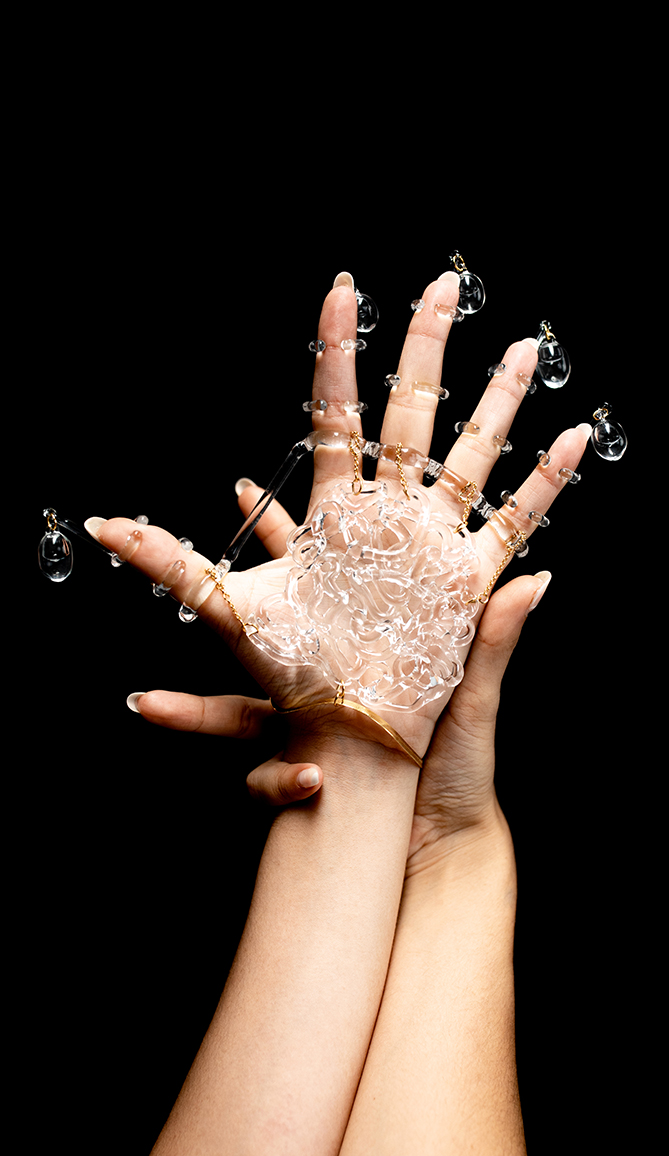
Final Project of the Bachelor in Design by Rocio Rodriguez Hidalga - OXT. Ganxet Digital.
Partner Institutions
The Advanced Programme in Contemporary Crafts and Design collaborates with craft guilds and institutions including ACC Catalan Basketmakers’ Association, ACCAV Catalan Association of Glass Arts, CCAM Consortium for Trade, Craft and Fashion of Catalonia, Centre d’Artesania de Catalunya / Artesania Catalunya, FAAOC Federation of Craft Guild Associations of Catalonia, among others.
Alternation between Online Teaching and In-Person Sessions
The programme is delivered online throughout the academic period through live classes via the Microsoft Teams platform, which may be attended from anywhere in the world.
Each January, part of the programme takes place in person in Barcelona and focuses on the development of an original craft piece, short series or collection, produced in the workshops at Eina Bosc.
The language of instruction of the Advanced Studies Diploma in Contemporary Crafts and Design is Spanish.
Who is it for?
This Advanced Programme in Contemporary Crafts and Design is aimed at individuals from a range of creative and technical fields, including Fine Arts, Design (particularly Industrial Design), Engineering, Product Development and Architecture. It is also intended for professionals in the arts and crafts who wish to deepen, broaden or update their knowledge. Ultimately, it is an open programme for anyone with an interest in design and crafts and a desire to evolve their professional practice.

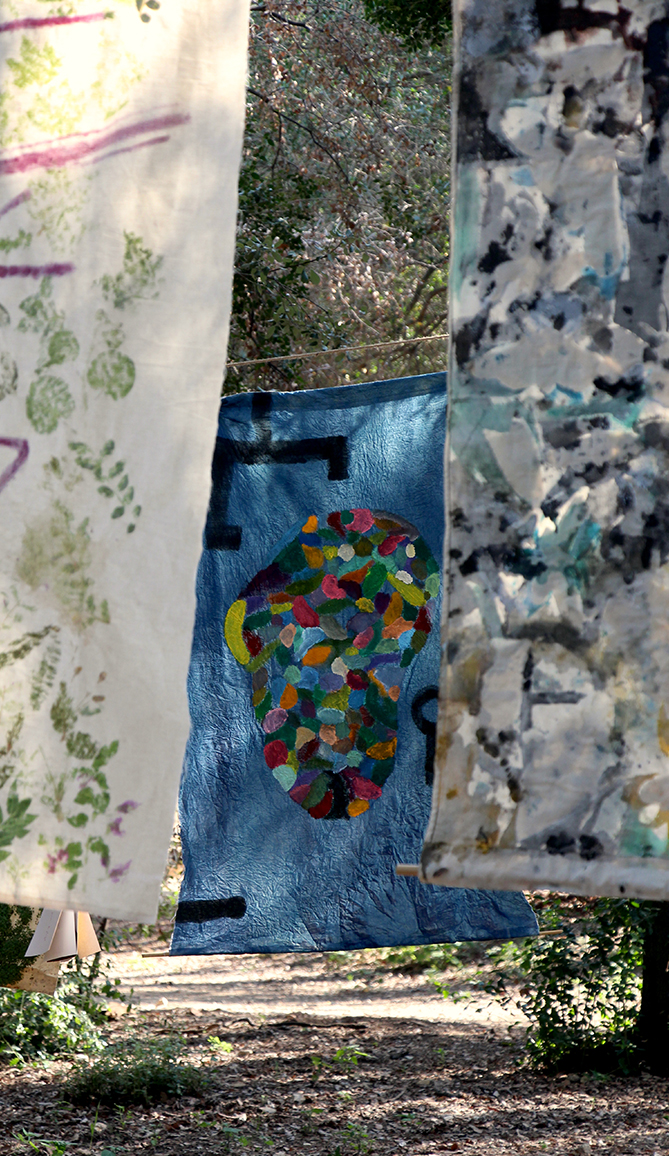
Final Project of the Bachelor in Design by Anaïs Llop - Resilience
Career Opportunities
Graduates of the programme may work as designers of contemporary craft products, creating limited collections or short runs, as well as in specialised workshops that integrate 3D printing and other technologies with manual techniques. They may also establish their own brand, self-produce their pieces and manage the dissemination and commercialisation of products with a distinctive identity.
Other professional pathways include consultancy in materials and hybrid processes, teaching and training, and the development of digital and parametric projects applied to craft. This combination of craft expertise and digital competences opens up opportunities in art, industrial design, fashion, interior design and interdisciplinary creative projects, contributing value and innovation to the contemporary design landscape.
Objectives
- Contextualisation and Critical Thinking
To broaden understanding of contemporary crafts through analysis of their historical, cultural, social, environmental and economic contexts, fostering a critical perspective linked to current practice. - Innovation, Materials and Technology
To provide knowledge of digital techniques for representation, prototyping and project development, promoting innovation in materials and processes in dialogue with craft tradition. - Creativity and Cultural Development
To enhance creative capacities within the framework of contemporary crafts and design, integrating traditional knowledge as a foundation for innovative and sustainable proposals. - Sustainability and Social Responsibility
To position craft cultures as a central axis of an inclusive and regenerative economy, integrating the Sustainable Development Goals (SDGs) transversally. - Knowledge Transfer and Sector Engagement
To promote collaboration and knowledge transfer between craftspeople, designers, artists and sectors linked to contemporary craft. - Professionalisation and Entrepreneurship
To train qualified professionals capable of developing their own projects or integrating into companies within the sector, reinforcing craft as a field of innovation and entrepreneurship.
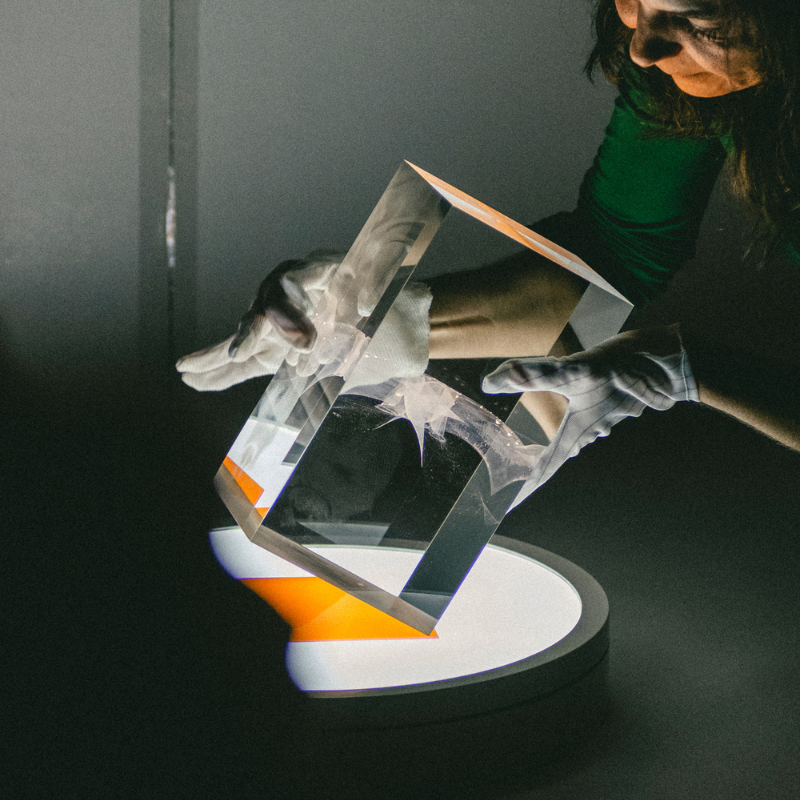
Martí Pujol, Workshop “The Voice of Glass” with artist-craftswoman Anna Alsina Bardagí
Study Plan of Contemporary Crafts and Design
The Advanced Programme in Contemporary Crafts and Design consists of two Advanced Studies Courses that may also be taken independently: “New Territories of Craft Practices” and “Craft Editing and Production”.
These studies, lasting five months, run from October to February and combine online learning through digital platforms with one intensive in-person month in Barcelona.
Within the Diploma, craft resources such as clay, metal, glass, fibres, textiles, paper and wood are hybridised with digital technologies including 3D printing, laser cutting and computational modelling. Students learn how to apply parametric thinking and artificial intelligence to manual design processes, while preserving the artistic character of unique handmade pieces and the know-how inherited across generations.
Students develop their personality and identity through the production of an original work in the form of a unique piece, short series or collection. They also acquire entrepreneurial and employability skills in order to connect these competences with their personal research.
Advanced Course in New Territories of Craft Practices
This first module of the Advanced Programme introduces contemporary crafts from a critical and cultural perspective. It combines theoretical reflection and hybrid practices, integrating craft tradition and digital tools in order to rethink them as sustainable, conscious and relevant practices in the current context.
Crafts and Discourses (online, 16 hours)
This module explores contemporary crafts from a critical and interdisciplinary perspective, combining current references with philosophical trends. The online course fosters reflection, debate and the connection between theory and practice through multimedia materials, forums and live sessions. Students analyse case studies, investigate innovation and sustainability, and develop projects that integrate ancestral knowledge with contemporary practices. The methodology promotes active participation, creativity and conceptual synthesis, enabling students to generate their own discourse on crafts within the current context.
Crafts and Worldviews (online, 16 hours)
This module explores how craft practices can inspire sustainable and regenerative futures. Students analyse craft cultures, debate social and economic challenges, and create conceptual projects that integrate tradition and innovation. Through multimedia materials, forums and live sessions, the module encourages critical reflection, creativity and the integration of theory and practice, preparing students to rethink craft in the contemporary world.
Generative Crafts (online, 32 hours)
This module explores how the principles of rule, repetition and variation found in historical crafts can be transformed into contemporary generative systems. Students work with digital tools to create families of forms, draw inspiration from natural patterns and document processes, applying them to ceramics, textiles, jewellery or digital design. The course fosters critical reflection, creativity and collaboration in a fully online environment, preparing twenty-first-century craft practitioners to think systemically, innovate and connect tradition with technology.
Hybrid Crafts (online, 32 hours)
This module explores the combination of craft tradition and digital tools, transforming the creative process from the physical workshop to the virtual laboratory. Through modular blocks, students analyse real cases of post-digital craftspeople, practise basic digital techniques and develop the ability to hybridise manual and digital languages. Final projects integrate modelling, thorough documentation and conceptual justification, resulting in original pieces and series. This module enables students to understand contemporary crafts as a flexible, innovative field capable of reinventing traditional forms and processes.
Crafts, Management and Communication (online, 24 hours)
This module explores the conceptualisation, value and dissemination of craft products within digital environments. It combines multimedia projects, storytelling and communication strategies with critical reflection and collaborative feedback. Students learn to communicate contemporary craft in innovative ways, connecting creativity with tangible impact.
Advanced Course in Craft Editing and Production
This second module of the Advanced Programme focuses on the formal and material development of craft projects, from experimentation to the production of unique pieces or short series. Through work with materials, workshop processes and experiences with craftspeople, students construct their own language by integrating tradition and innovation.
Forms of Craft (blended, 24 hours)
This module combines observation, repetition and reinterpretation of traditional archetypes with digital tools, enabling experimentation with processes and forms in a hybrid environment. Students develop their own archetypes, document the process and participate in collective critique. In-person workshop hours complement the practice, materialising textures, proportions and tangible objects. This module presents contemporary crafts as a flexible, innovative and creative field integrating tradition, process and experimentation.
Crafts and Materials (blended, 24 hours)
This module combines experimentation and reflection on traditional and emerging materials, with process documentation carried out from home. It includes in-person workshop hours to materialise prototypes and explore techniques in a tangible way. Final projects integrate observation, practice and critical reflection, deepening understanding of material language and its contemporary application.
Self-Production (in person, 64 hours)
This module accompanies students from the initial idea to the final piece, combining conceptualisation, experimentation and manual production. Students create unique pieces, short series or collections, with individual guidance and immediate feedback. It is a 100% in-person module. Workshop sessions allow participants to work with diverse materials and techniques, document processes and consolidate creative autonomy, connecting tradition and craft innovation.
Living Crafts (in person, 16 hours)
This 16-hour in-person module offers direct experiences in the workshops and manufacturing spaces of local craftspeople and recognised brands. Students observe and analyse creative processes, materials and techniques, documenting them through sketches, photographs and notes. The module encourages critical reflection on tradition, innovation and the transmission of know-how, linking learning to students’ own projects and providing in-depth insight into contemporary crafts.
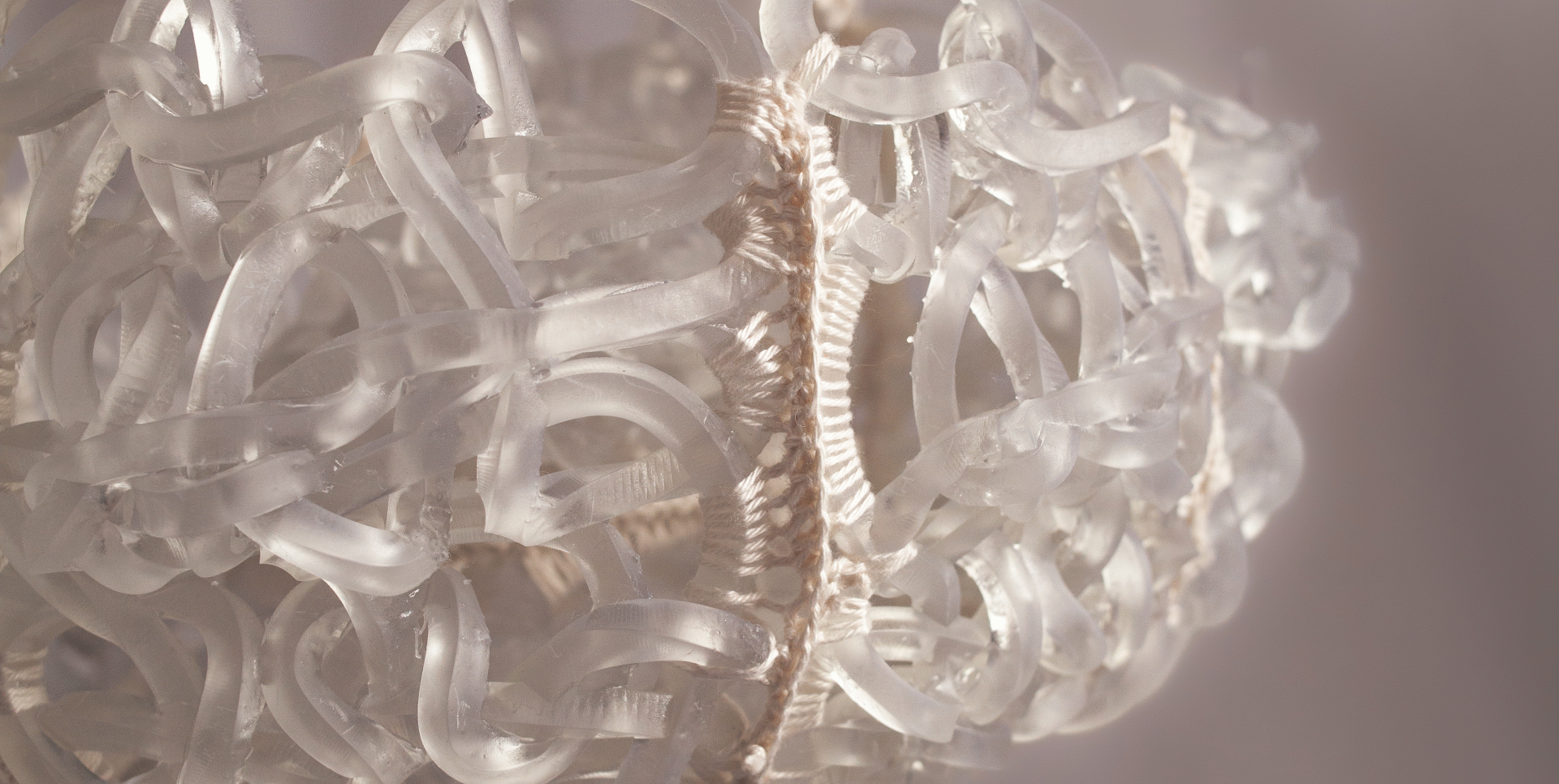
Header image: Final Project of the Bachelor in Design by Rocío Rodríguez Hidalga - OXT. Ganxet Digital.
20% discount for:
- Former students who have completed a Graduate, Bachelor's, Master's or Postgraduate programme at Eina
10% discount for:
- Current students of Eina
- Members of the Associació Catalana de Cistellers i Cistelleres
- Members of the Catalan Association of Glass Arts
- Members of the Catalonian Ceramist Association (ACC)
- Members of the Catalan Association of Art Critics (ACCA)
- Members of the Association of Museologists of Catalonia (AMC)
- Members of the Association of Professional Illustrators of Valencia (APIV)
- Members of the Professional Association of Illustrators of Catalonia (APIC)
- Members of the Catalonia Trade, Crafts and Fashion Consortium (CCAM), holders of the artisan card, and participants in the CCAM Young Talent programme
Single payment option:
- 100% upon acceptance (to guarantee your place, payment must be made within 10 days of being accepted).
Installment payment option:
- 50% upon acceptance (to guarantee your place, payment must be made within 10 days of being accepted).
- 50%: 30 days before the course begins.
For further details check on academic info.