


Rethinking the city. Urban planning mistakes.
Large cities and metropolitan areas are consuming two thirds of the world's energy and are responsible for over 70% of global CO2 emissions. What oxygen does our city produce?
Barcelona has pollution rates that far exceed WHO recommendations; the city is also not known for its green spaces and with an excessive demand for real estate it is difficult to restructure.
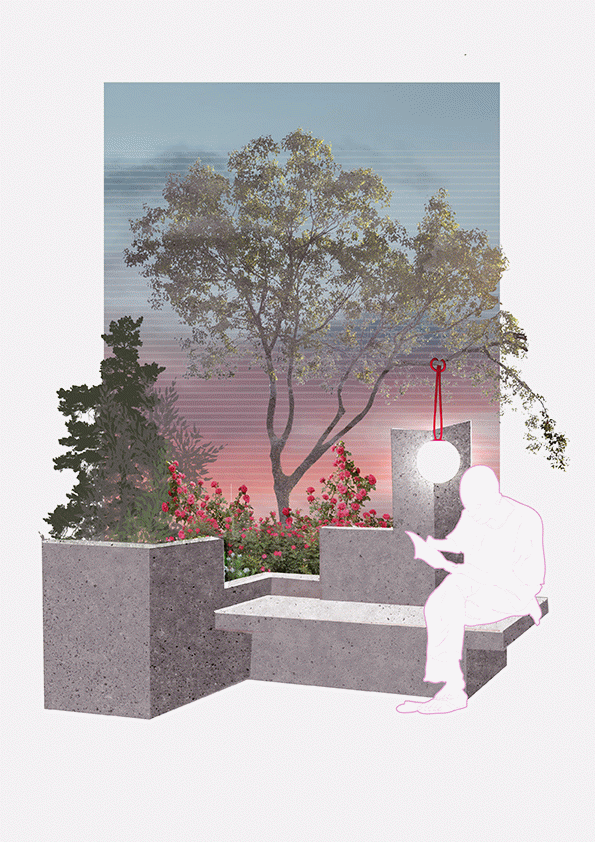
Urban life needs to reconnect with nature in order to develop fully. Promoting change leaves little room in a city as compact as Barcelona. Improving not only the landscape, but also well-being in the city means looking for new opportunities for green spaces. Spaces where urban-natural interaction had previously been ignored.
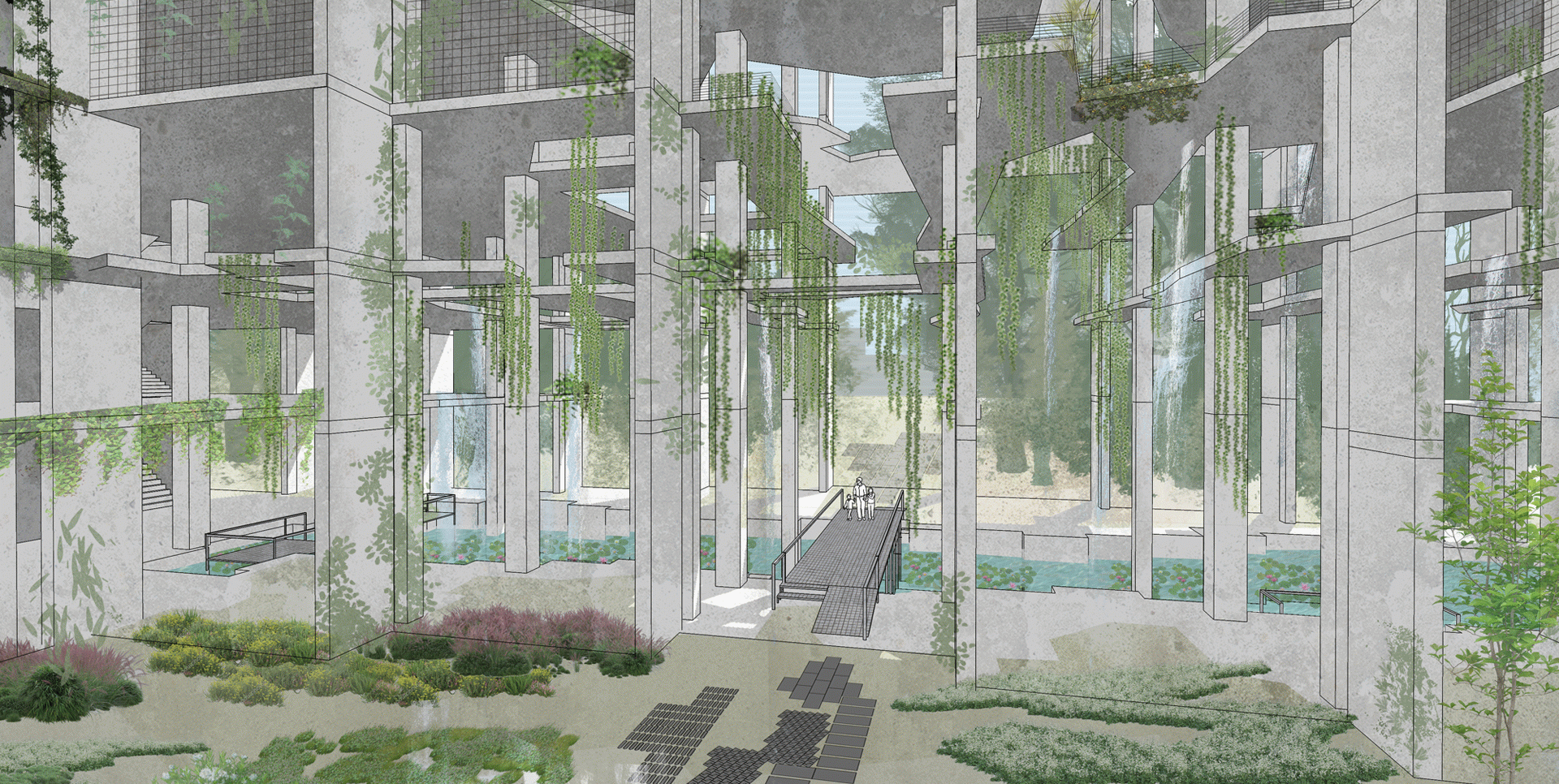
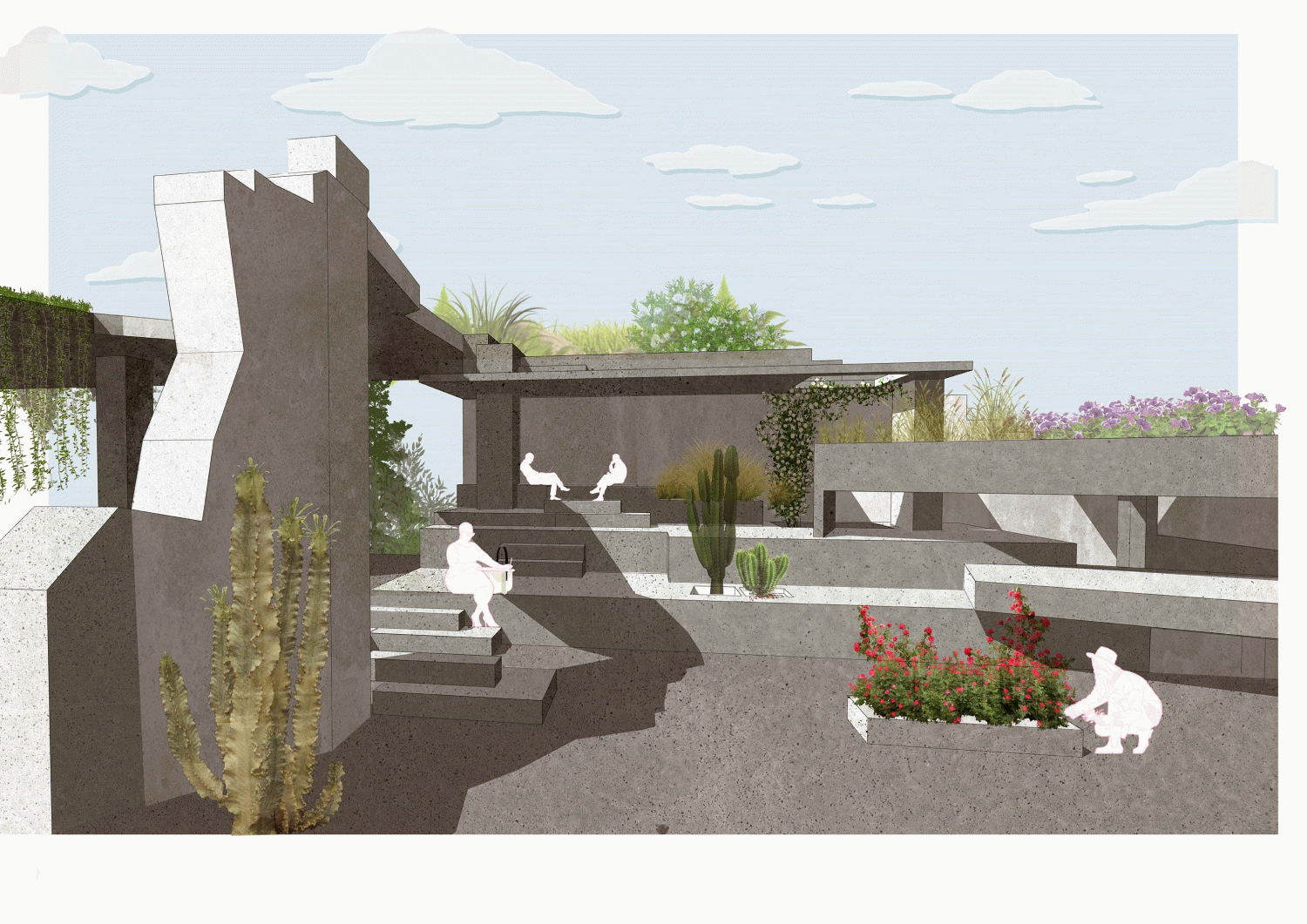
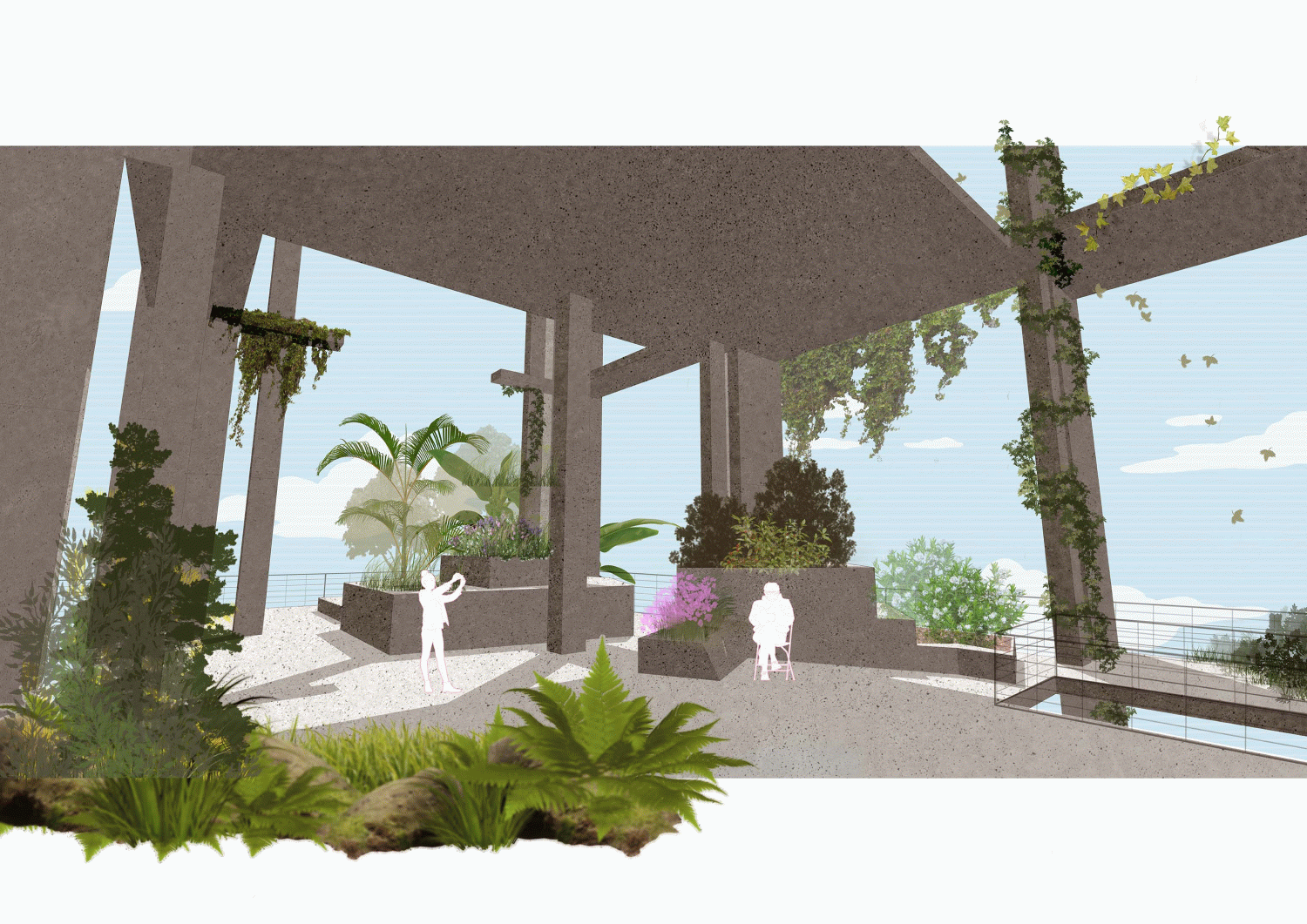
We believe in a city where vegetation wins the war against concrete. A city where the taste for the urban is not contrary to quality of life. We envision an urban redesign where ecological infrastructure is dominant. But can nature build on land that is not its own, is concrete conquerable, will nature manage to civilise us?
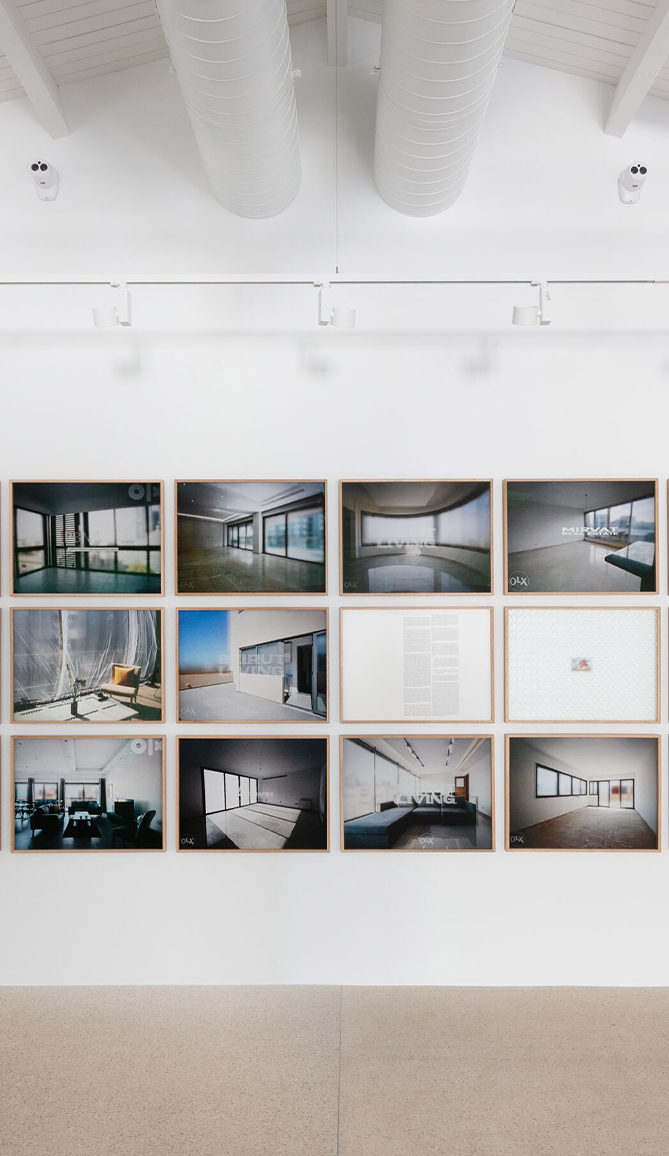
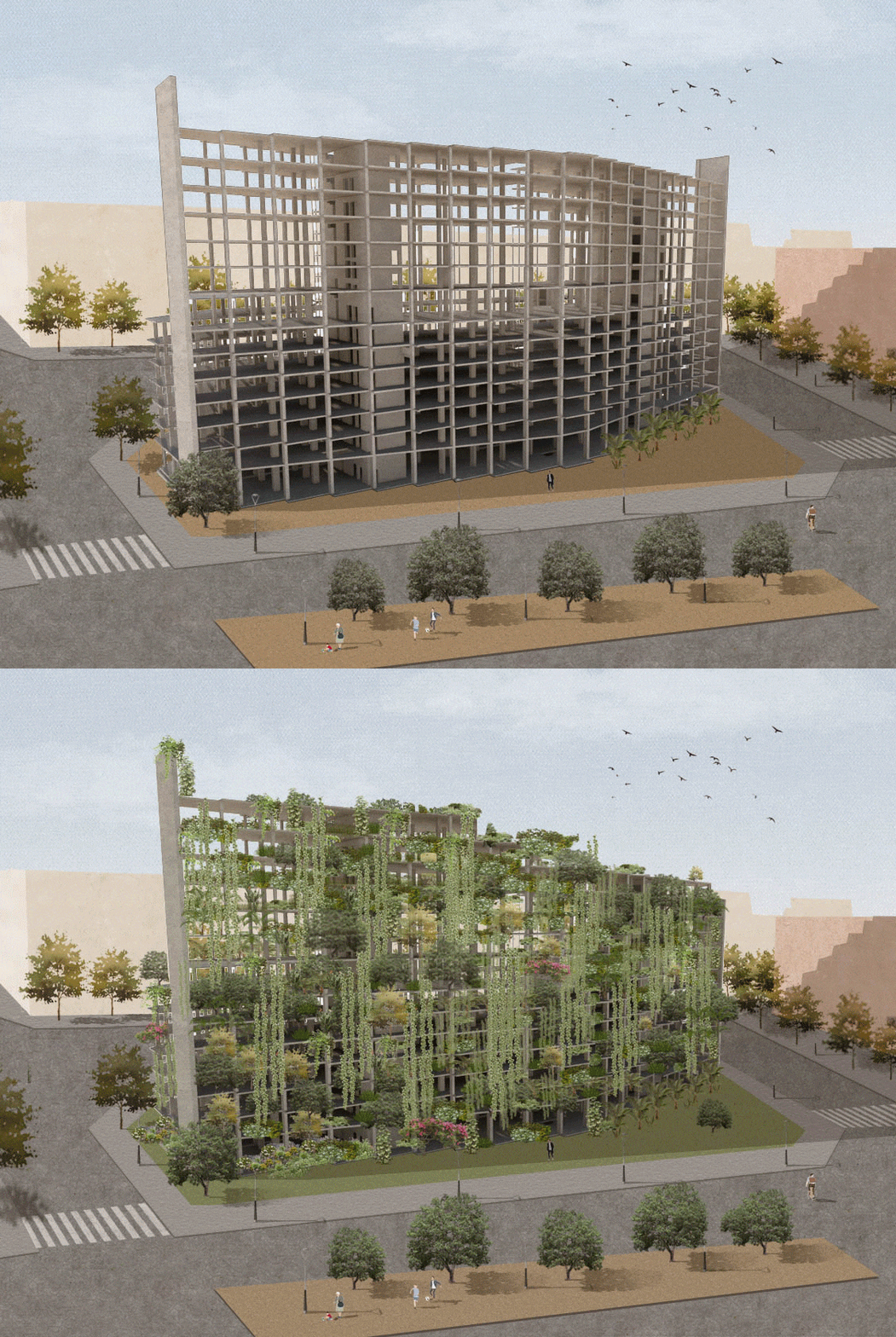
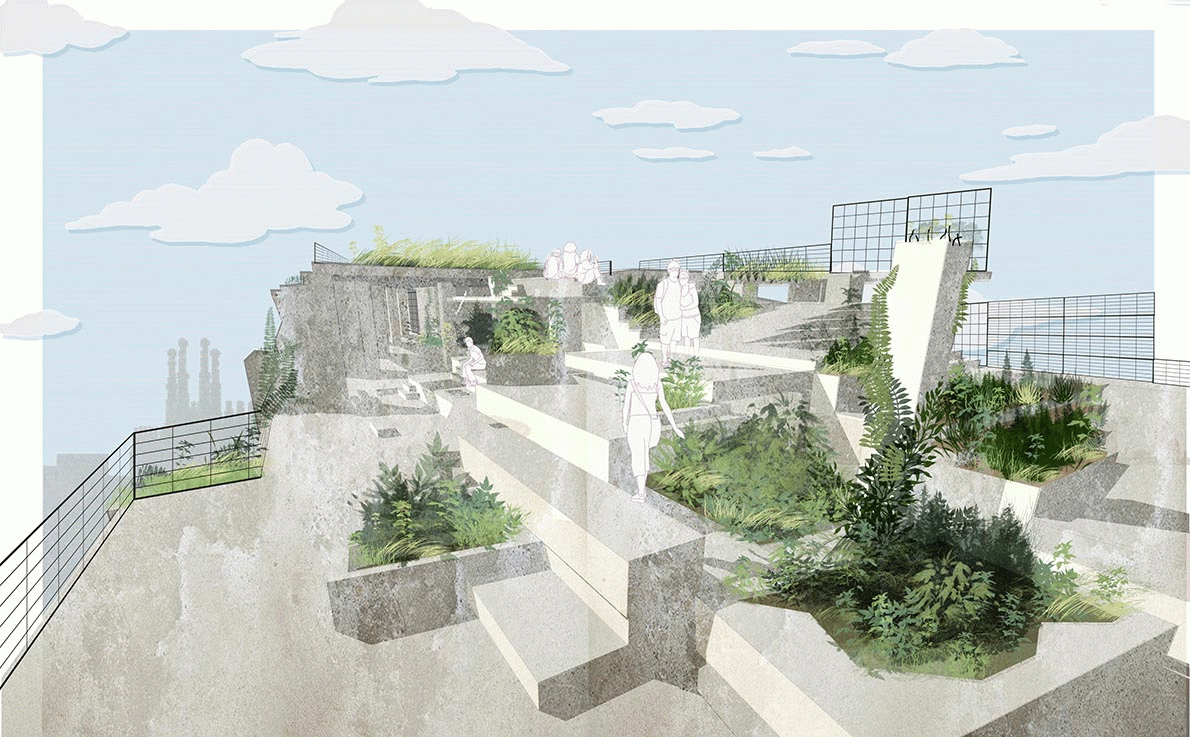
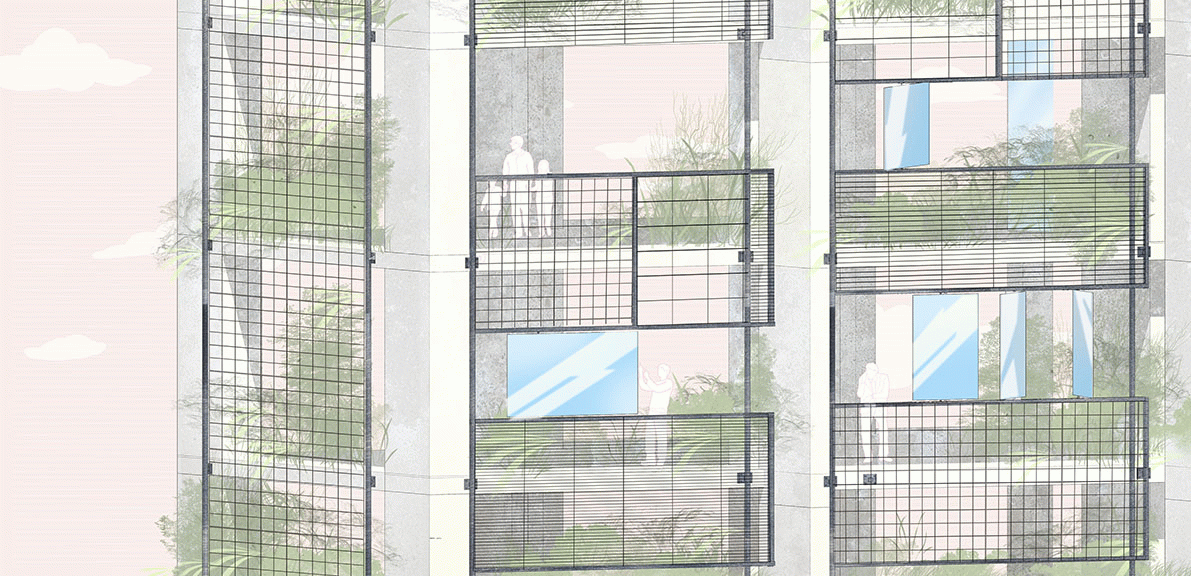
From the perspective of speculative design, this project was born as a plausible response to the climate crisis we are experiencing in the context of anthropocentric cities, which must be renaturalised. The project takes shape in the reuse of the Estel Building which, abandoned since 2011, is located in the Nova Esquerra de l'Eixample in Barcelona, one of the European cities with the greatest deficit of green spaces, with a high population density and a lack of free spaces for building.
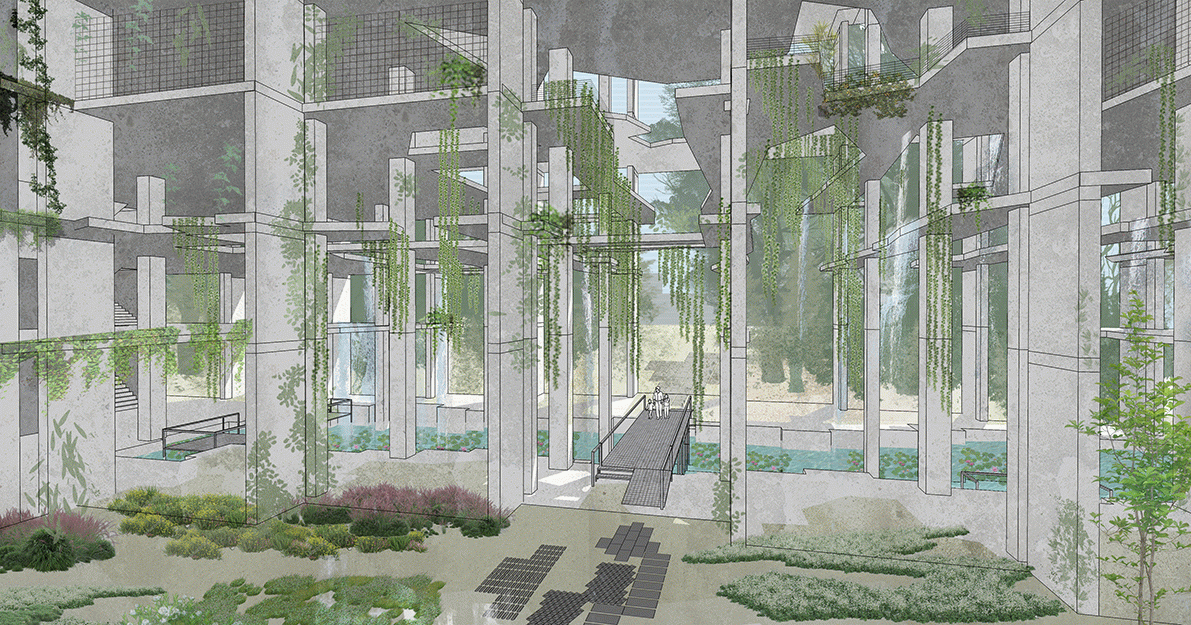
DES-EDIFICAR is a laboratory of ideas that imagines a different city and reflects on how to materialise and advance in the planning and design of future vertical parks. This project seeks to underline the importance of green public space as a driver of sustainable urban living. We seek a positive impact, a sustainable relationship between city growth and healthy living. To work with an architecture that favours and promotes sustainability. To achieve a transformation of operational space, which has a use for the community and with a design that favours its renaturalisation. To design living spaces. We avoid fixed, static designs. We think of architecture - and design - at the service of people. We seek participatory projects, of social cohesion.
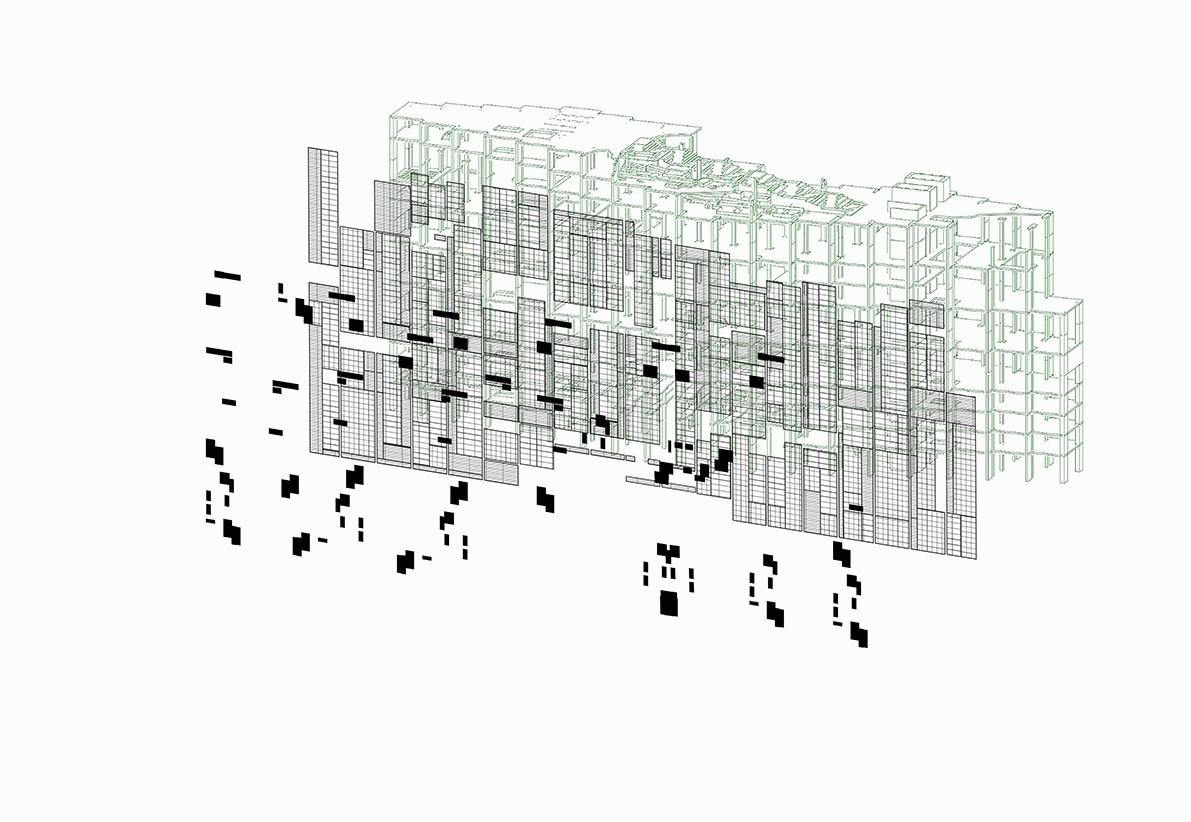
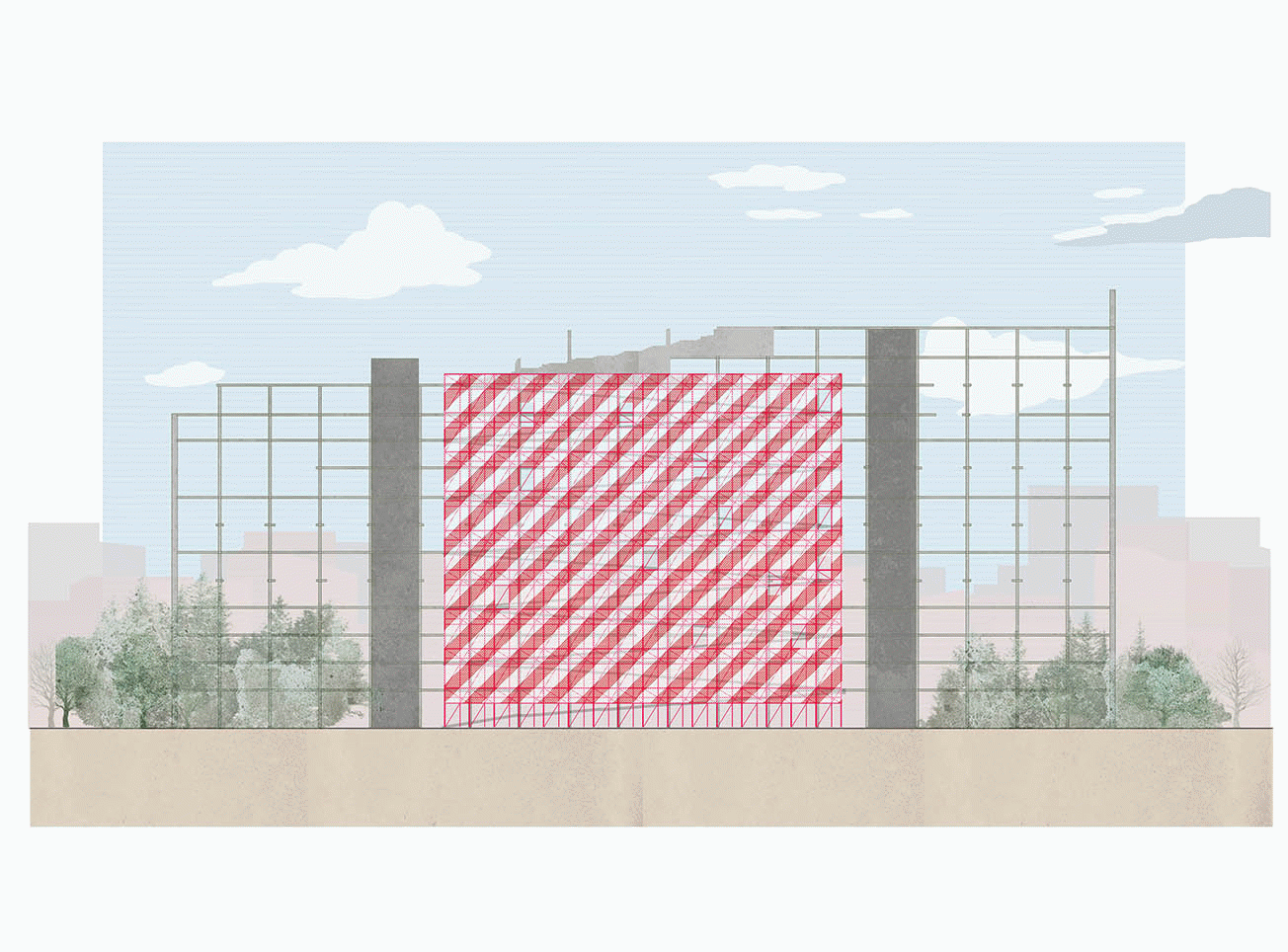
We propose to take advantage of the shell of the Estel Building by configuring a sustainable and multifunctional project that singularises the building and has an impact on the environment to improve the life of the citizens and to renaturalise the city. We are convinced that only "dismantling" and "de-civilisation" will lead us to true naturalisation. Can nature rebuild itself on a land that is not its own, will we be able to emit new levels of oxygen, will we be able to de-civilise that which is civilised, will we be able to de-civilise that which is civilised?
 DES·EDIFICAR
 DES·EDIFICAR
 DES·EDIFICAR
 DES·EDIFICAR
 DES·EDIFICAR
 DES·EDIFICAR
 DES·EDIFICAR
 DES·EDIFICAR
 DES·EDIFICAR
 DES·EDIFICAR