
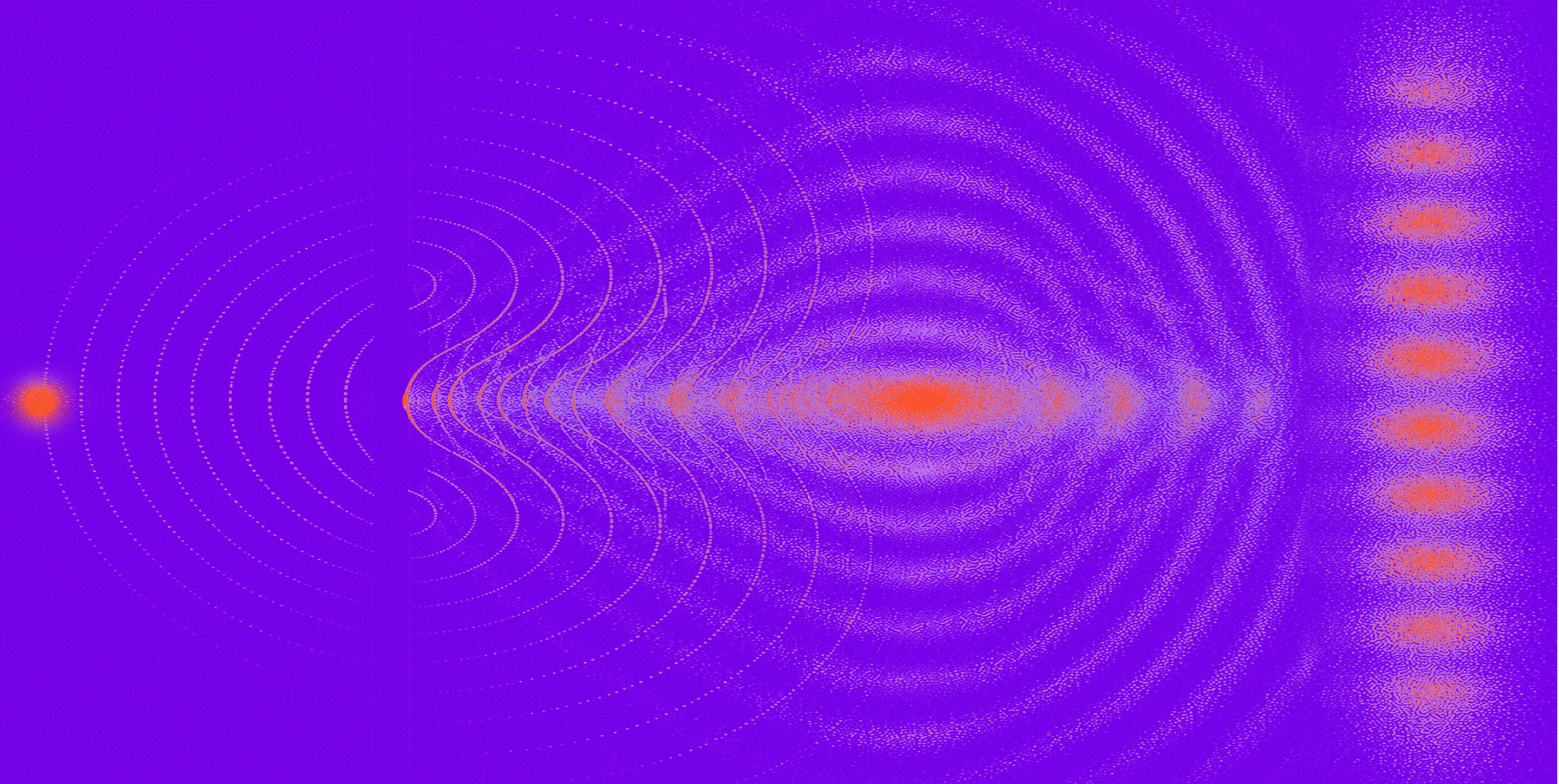
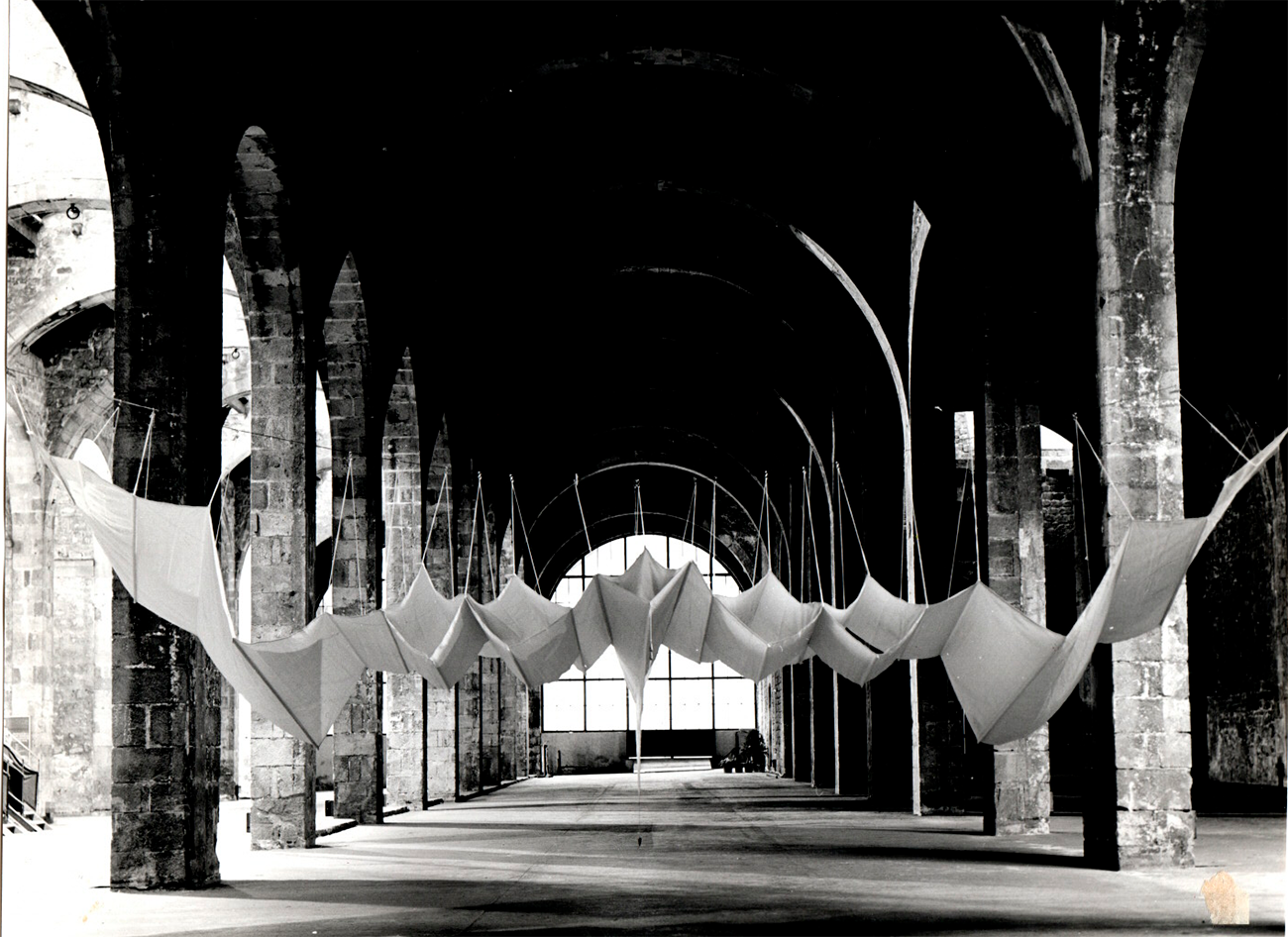
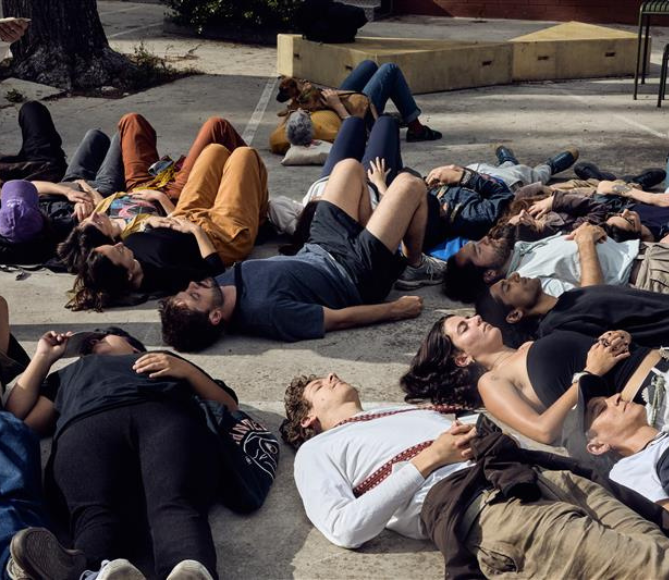

DIFRACTA ’26 is an international transdisciplinary festival that brings quantum physics, art, design, technology and philosophy into dialogue to explore new ways of understanding reality, conducting research and creating.
In its first edition, the festival explores the potential of the quantum paradigm to rethink contemporary approaches to research, creation and knowledge production, as well as its epistemological, ontological, methodological and ethical implications.
The programme is structured around these four interdependent dimensions, each introduced by a keynote lecture delivered by Maciej Lewenstein (ICFO), Vlatko Vedral (University of Oxford), Evelien Geerts (University College Cork) and Femke Snelting (The Institute for Technology in the Public Interest), respectively.
Each keynote is followed by four parallel laboratories conceived as spaces for research, creation and experimentation, led by Pep Vidal, Anja Groten, Peter Teunissen, Jack Isles, Claudia Claremí, Abelardo Gil-Fournier, Sonia Contera, Josep Perelló, Antonio Gagliano, Astrid Schrader, Ellen G. Richardson, Blanca Pujals, José Luis de Vicente, Jara Rocha, Lucía Ángel C. Pino, Lara García Díaz and María García Ruiz, as well as the Laboratory of Playful Thinking, comprising Antonio R. Montesinos and Susana Rodilla.
The programme also includes three artistic activations by Dr. masharu, Reiko Yamada and Lúa Coderch, and a closing lecture by Mónica Bello (Platform DALI, former Head of Arts at CERN).
Beyond the two-day event, DIFRACTA is conceived as an ongoing research platform that will bring together an audiovisual archive and a repository of materials to sustain the conversations initiated during the festival and open up new lines of inquiry.
Difracta ’26 Programme
Friday 20 November: Epistemology and Ontology
9.30–10.30
Artistic Activation
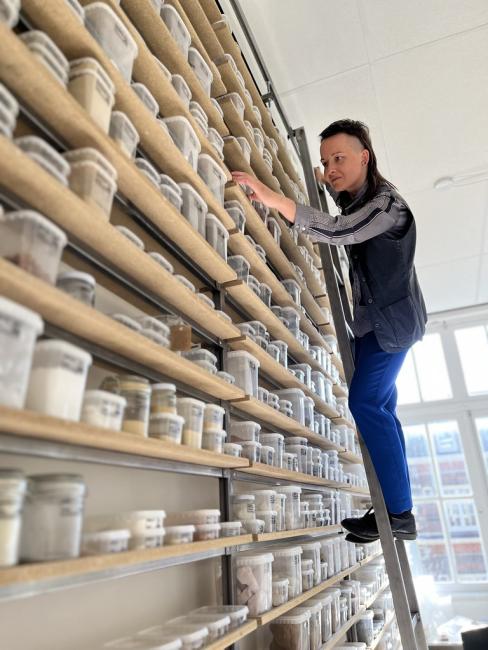
The Museum of Edible Earth
Dr. masharu
Auditoriums 1 and 2
In English with Spanish subtitles
10.30–11.30
Keynote Lecture
Block 1 · Epistemological dimension
The epistemological dimension examines how knowledge is produced in contexts where observation, measurement and interpretation cannot be separated from the material conditions that make them possible, based on the implications introduced by quantum physics.
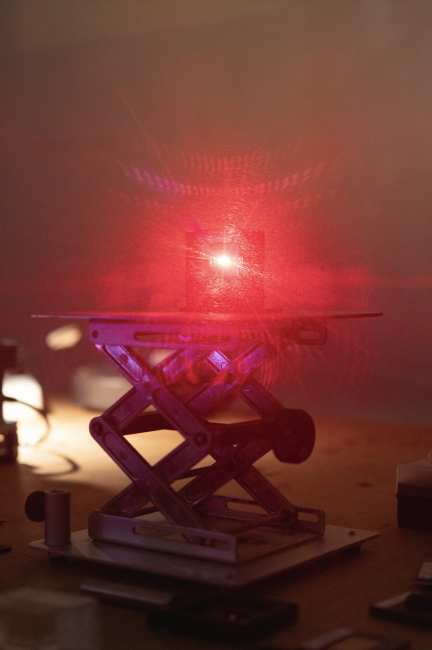
Diffraction, measurement and phenomenon in quantum physics
Maciej Lewenstein (ICFO)
Auditoriums 1 and 2
In English with Spanish subtitles
11.45–12.45
Simultaneous Labs
Block 1 · Epistemological dimension
1. Observation devices
Pep Vidal
Practical lab 4
2. Producing evidence in art and science
Anja Groten
Auditorium 1
3. Infrastructures and the production of evidence
Peter Teunissen
Auditorium 2
4. Conditions of perception and observation
Claudia Claremí
Practical lab 3
13.00–14.00
Keynote Lecture
Block 2 · Ontological dimension
The ontological dimension addresses the implications of quantum physics for understanding the nature of reality, exploring how it transforms conventional notions of object, observation and existence.
What kind of reality does quantum physics imply?
Vlatko Vedral (University of Oxford)
Auditoriums 1 and 2
In English with Spanish subtitles
15.30–16.30
Simultaneous Labs
Block 2 · Ontology in practice
1. Relational agency
Abelardo Gil-Fournier
Practical lab 4
2. Reality after quantum physics
Sonia Contera
Auditorium 1
3. Distributed authorship
Josep Perelló
Auditorium 2
Special time: 15.00–16.00
4. Relational cartographies
Antonio Gagliano
Practical lab 3
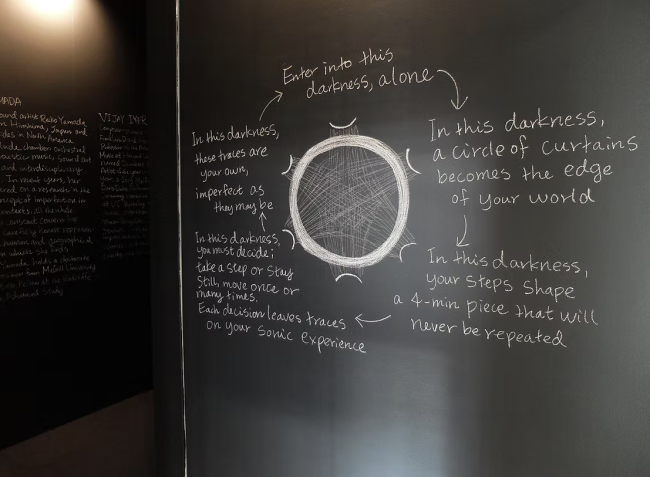
11.45–12.45
Artistic Activation
Interference field
Reiko Yamada
Central courtyard
Saturday 21 November: Methodologies and Ethics
10.00–11.00
Keynote Lecture
Block 3 · Methodological dimension
The methodological dimension examines how research, creation and experimentation processes are organised and carried out. Diffraction, understood as a methodological practice, involves designing and sustaining configurations that make it possible to examine how differences are produced in phenomena.
Evelien Geerts (University College Cork)
Auditoriums 1 and 2
In English with Spanish subtitles
11.15–12.15
Simultaneous Labs
Block 3 · Methodological dimension
1. Designing apparatuses: how to produce phenomena
Astrid Schrader
Auditorium 1
2. Practising diffraction: methodologies for creation
Ellen G. Richardson
Practical lab 3
3. Diffractive reading of texts and processes
Blanca Pujals
Practical lab 4
4. Documentation and writing as part of the phenomenon
José Luis de Vicente
Auditorium 2
12.30–13.30
Keynote Lecture
Block 4 · Ethical dimension
The ethical dimension stems from understanding research and creative practice as interventions in material, social and ecological configurations. If phenomena are not independent of the conditions that produce them, every practice entails a responsibility for its effects.
Femke Snelting (The Institute for Technology in the Public Interest)
Auditoriums 1 and 2
In English with Spanish subtitles
15.00–16.00
Simultaneous Labs
Block 4 · Ethical dimension
1. Distributed responsibility in creative processes
Jara Rocha
Auditorium 2
2. Tracing matter: agency, transformation and material behaviour
Lucía C. Pino
Practical lab 4
3. Mapping impacts beyond the project
Lara García Díaz and María García Ruiz
Auditorium 1
4. More-than-human systems
Laboratorio de Pensamiento Lúdico (Antonio R. Montesinos and Susana Rodilla)
Practical lab 3
16.15–17.15
Closing Lecture
Mónica Bello (Platform Dalí, former head of Arts at CERN)
Auditoriums 1 and 2
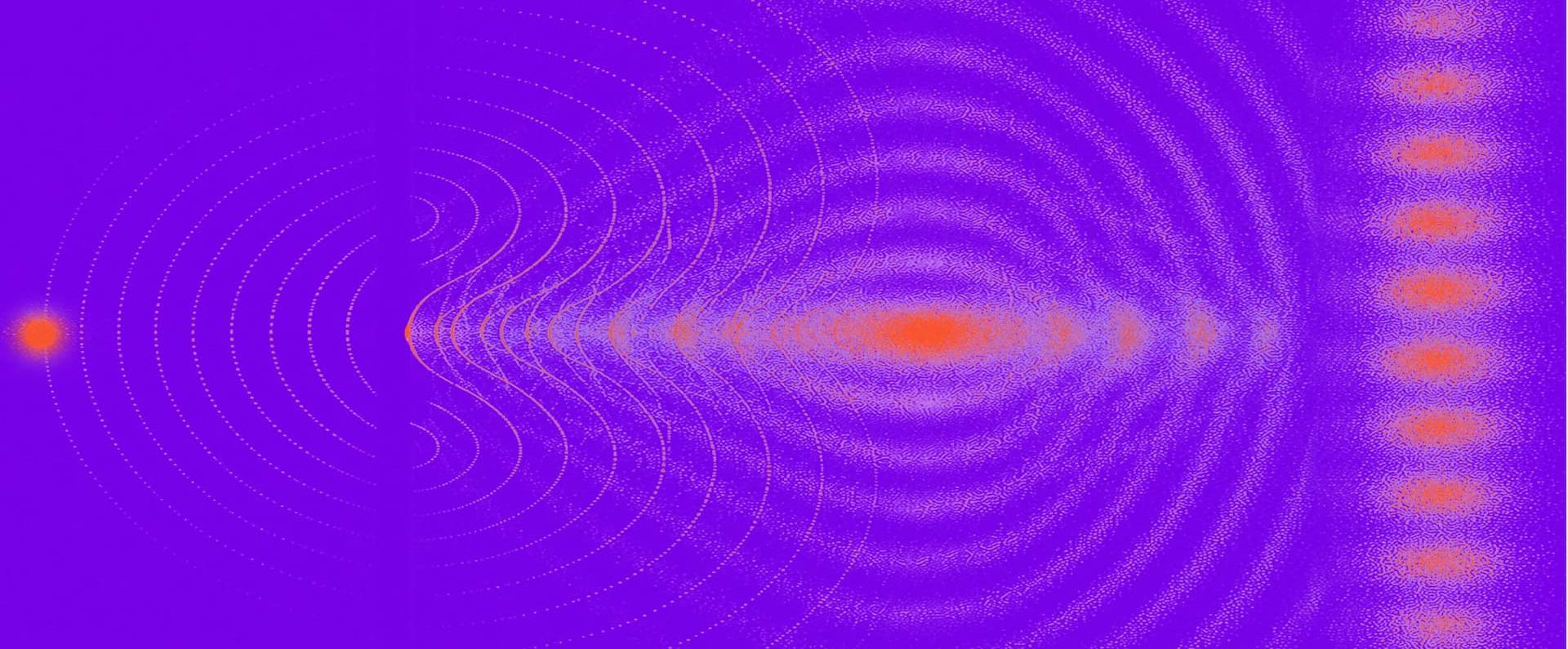
Keynote Speakers
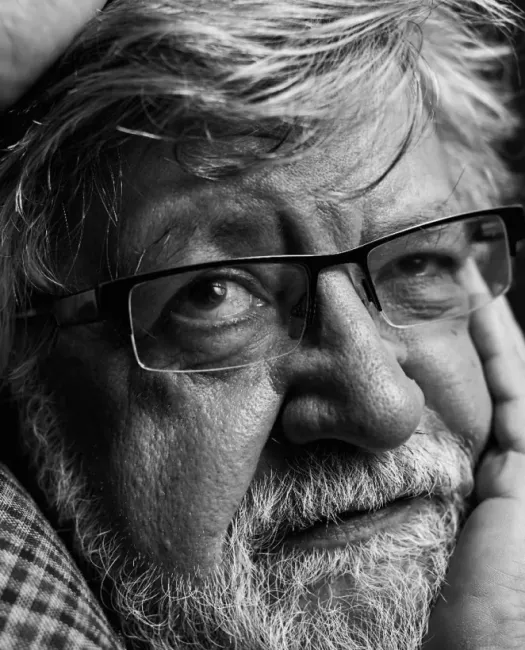
Maciej Lewenstein
Maciej Lewenstein is an ICREA research professor at ICFO, where he leads the Quantum Optics Theory group. His research focuses on quantum physics and quantum optics. He is also involved in experimental music and is a jazz writer and critic.
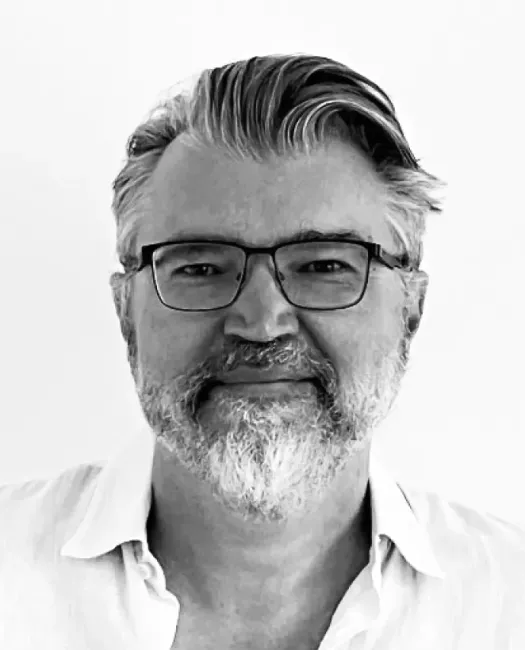
Vlatko Vedral
Vlatko Vedral is a theoretical physicist and Professor of Quantum Information Science at the University of Oxford. His research addresses quantum information and entanglement. He is the author of popular science books that explore how quantum physics transforms our understanding of reality.
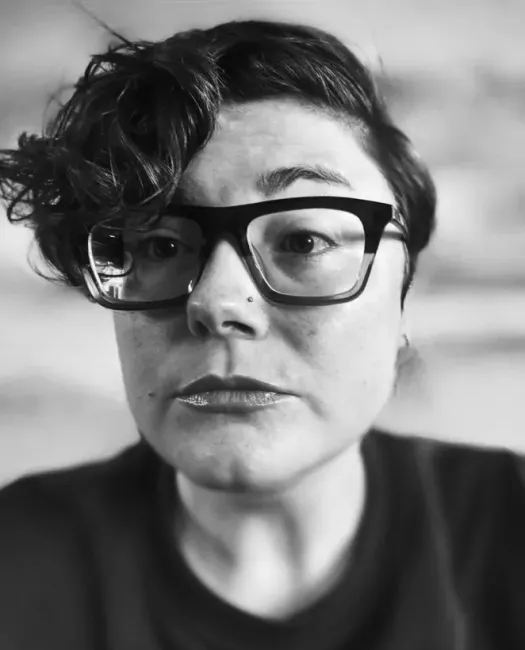
Evelien Geerts
Evelien Geerts is an interdisciplinary philosopher and lecturer at University College Cork. Her research addresses critical posthumanism, new materialisms and diffractive pedagogies, with particular attention to questions of gender, difference and justice from relational perspectives.
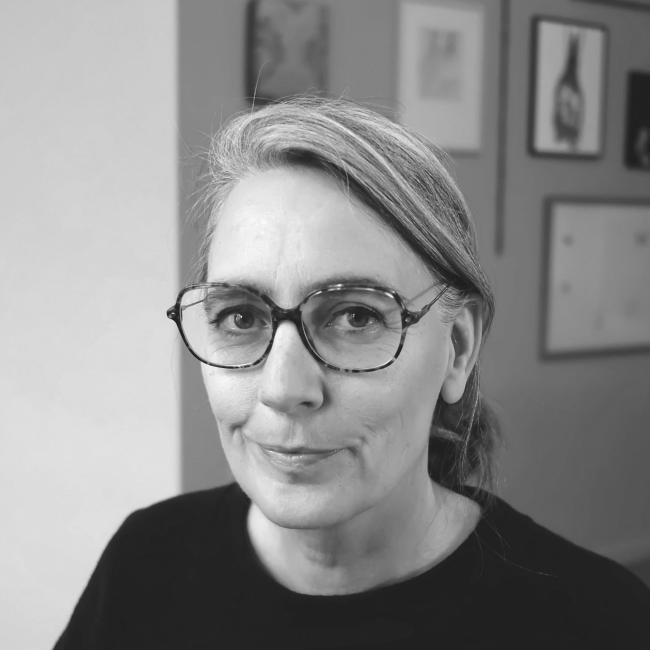
Femke Snelting
Femke Snelting works at the intersection of publishing, feminisms and free software. She is part of The Institute for Technology in the Public Interest and combines research, publishing and tool development to rethink computational practices from feminist and decolonial perspectives.
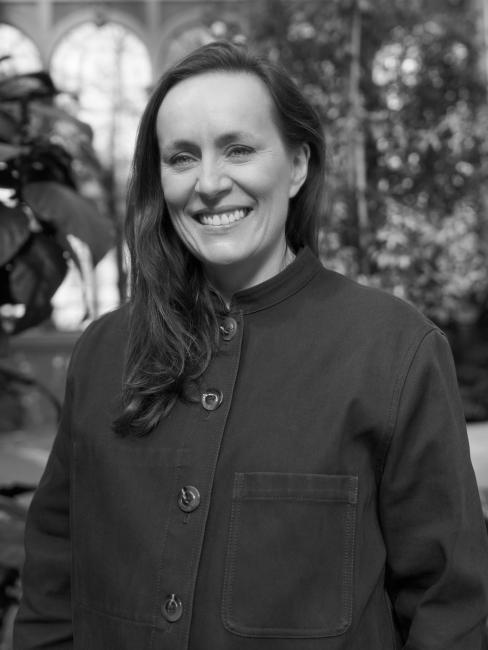
Mónica Bello
Mónica Bello is a curator and art historian specialising in the relationships between art, science and technoscientific culture. She directs Platform Dalí and previously headed Arts at CERN, where she promoted residencies and artistic commissions fostering dialogue between artists and particle physicists.
Artistic Activation
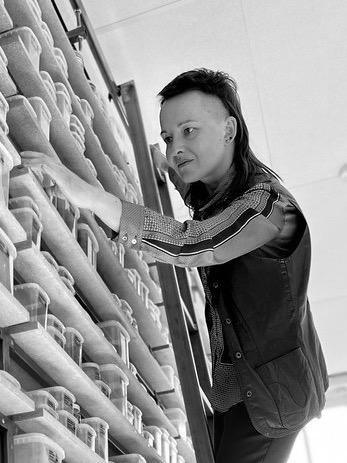
Dr. masharu
Dr. masharu is an Amsterdam-based artist and researcher and founder of the Museum of Edible Earth. Their practice combines scientific research and cultural practices to explore the relationships between matter, knowledge and perception through geophagy and a global collection of edible earths.
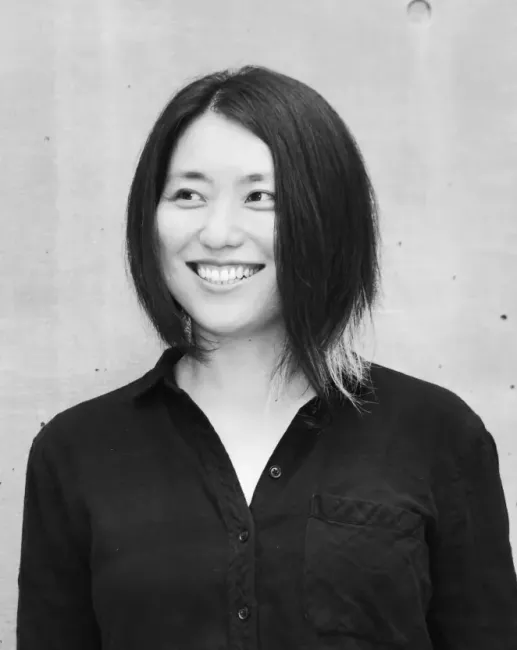
Reiko Yamada
Reiko Yamada is a composer and sound artist from Hiroshima with a PhD in Composition from McGill University. Her practice explores the aesthetics of imperfection through music, sound installations and interdisciplinary collaborations. She is a postdoctoral researcher at ICFO and teaches composition at ESMUC.
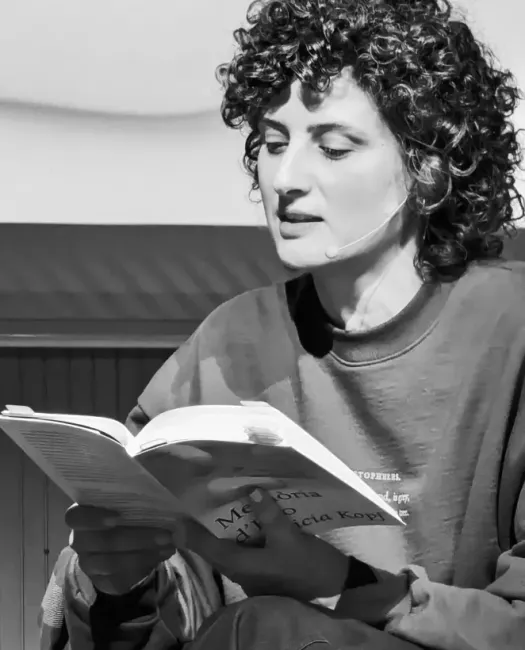
Lúa Coderch
Lúa Coderch is a visual artist with a PhD in Fine Arts from the University of Barcelona. Her practice addresses memory, fragility, language and affect through video, installation, performance and writing, which she articulates as research devices.
Lab Facilitators 1
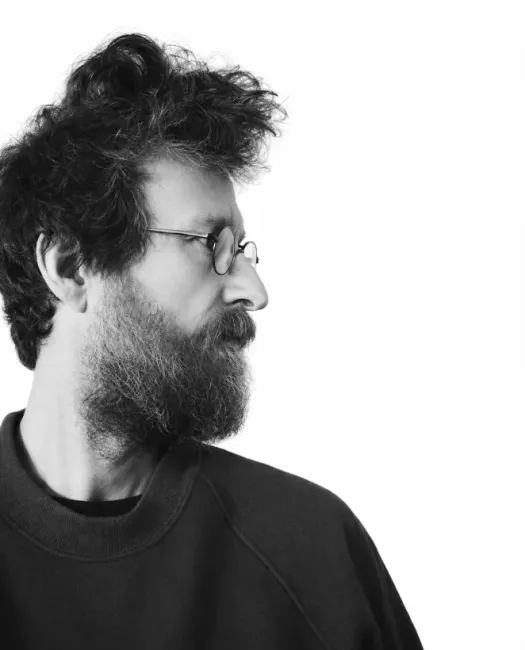
Pep Vidal
Pep Vidal is an artist and researcher with a background in mathematics and physics. His practice explores the relationships between science, chance and knowledge through experimentation with complex systems and the limits of measurement, questioning how data are produced and validated.
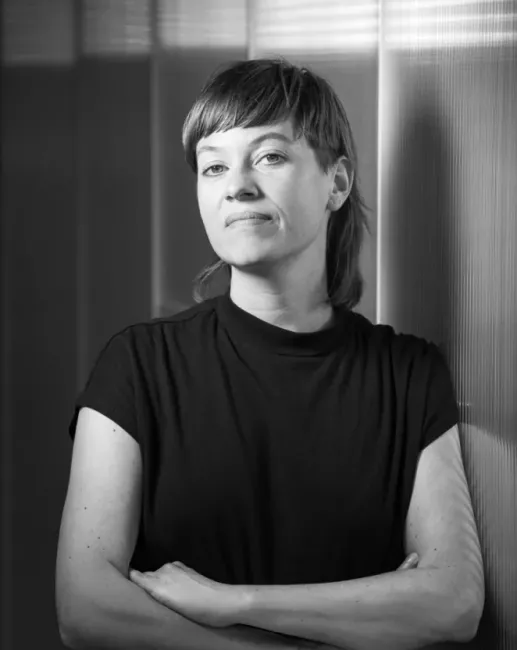
Anja Groten
Anja Groten is a designer and researcher based in Amsterdam. Her practice connects digital and physical media, design education and collective processes, examining how decisions about classification, inclusion and exclusion shape the production of knowledge and evidence.
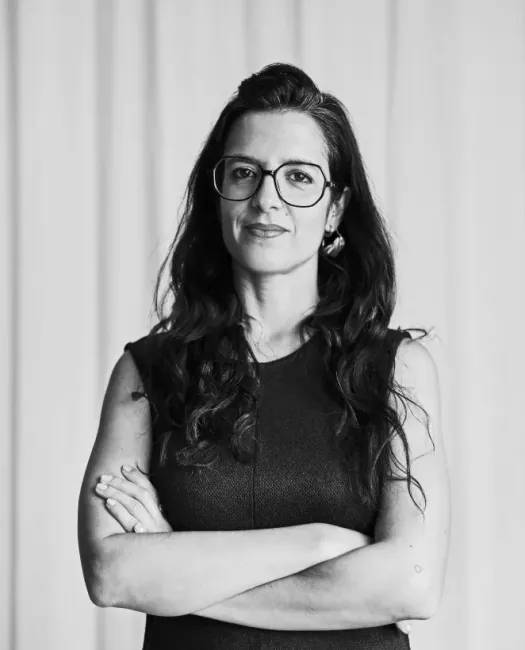
Claudia Claremí
Claudia Claremí is an artist and filmmaker. Her practice combines video, analogue film, installation, photography and archives to explore memory, the body and the relationships between the personal and the collective, addressing diaspora, coloniality and the bonds between humans and plants.
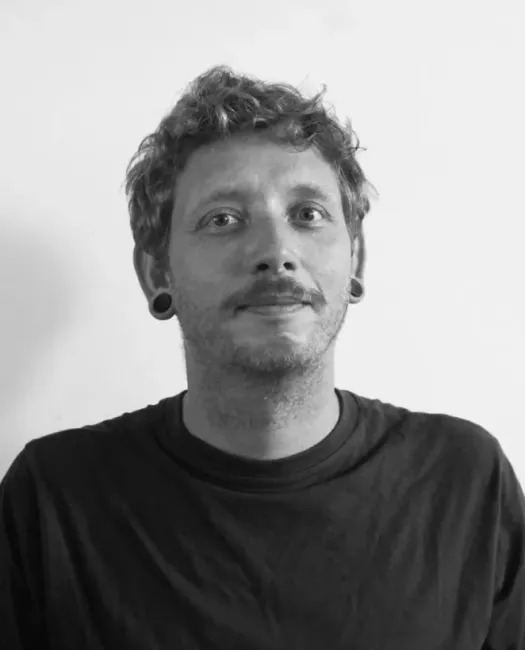
Peter Teunissen
Peter Teunissen is an interdisciplinary researcher specialising in borders and a member of Border Forensics. He combines open-source investigation, ethnography and visual analysis to make forms of state and institutional violence visible and to contribute to mobility justice.
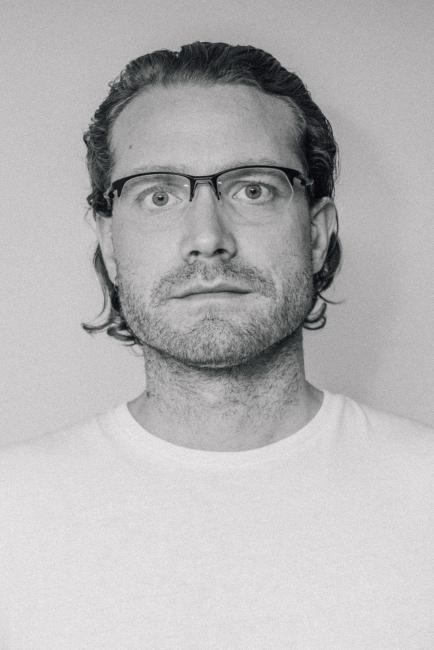
Jack Isles
Jack Isles is an architect, researcher and cartographer. His work focuses on the environmental agency of sensing technologies and on alternative forms of environmental management and care.
Lab Facilitators 2
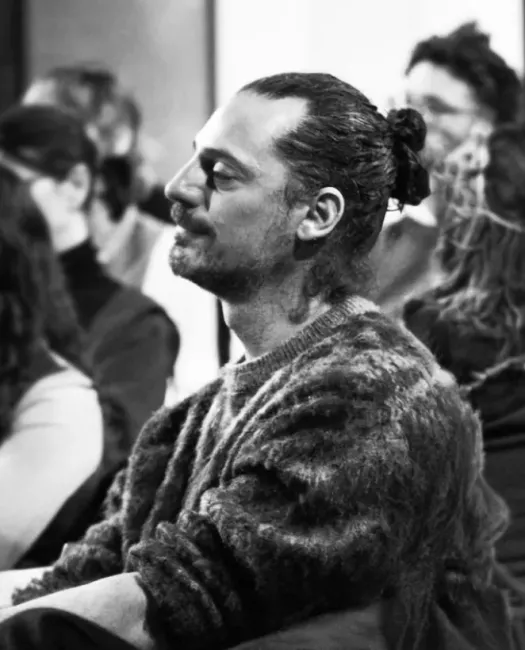
Antonio Gagliano
Antonio Gagliano is an artist and researcher who trained in Fine Arts at the Universidad Nacional de Córdoba and in critical theory at MACBA’s PEI. His practice, which combines drawing, writing and publishing, explores the ways in which knowledge is produced, organised and circulated.
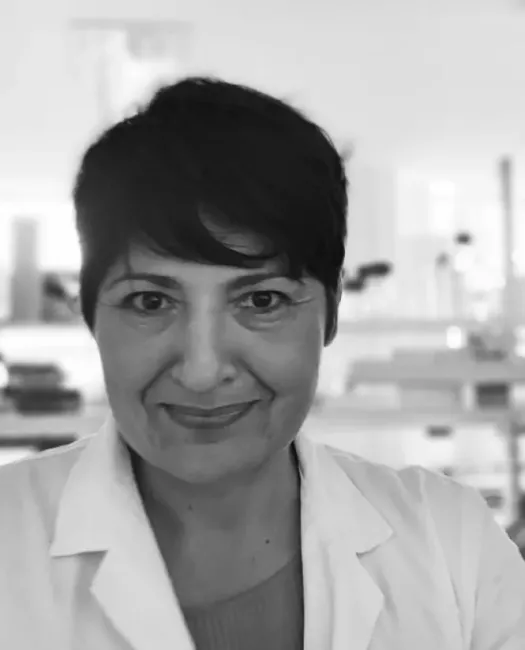
Sonia Contera
Sonia Contera is Professor of Physics at the University of Oxford and holds a PhD in nanotechnology. Her research lies at the convergence of biology, nanotechnology and information science, with applications in medicine and bio-inspired materials. She is also a columnist for El País.
Josep Perelló
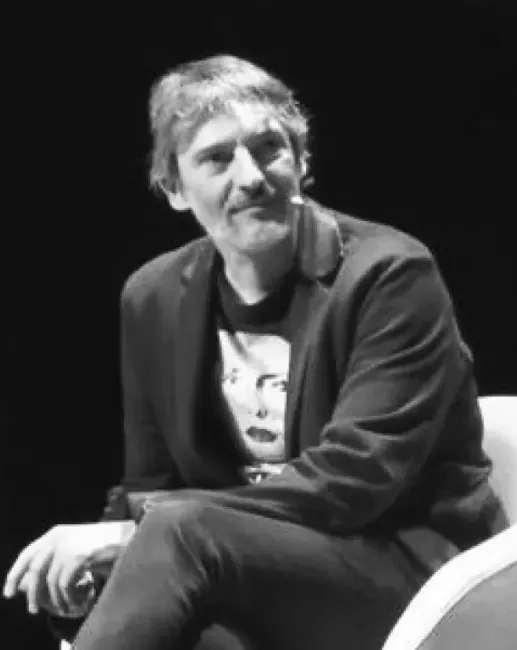
Josep Perelló is Professor of Physics at the University of Barcelona and a researcher at UBICS. He founded the OpenSystems-UB group, through which he leads research projects connecting citizen science, artistic practices and collective experimentation in public space.
Abelardo Gil-Fournier
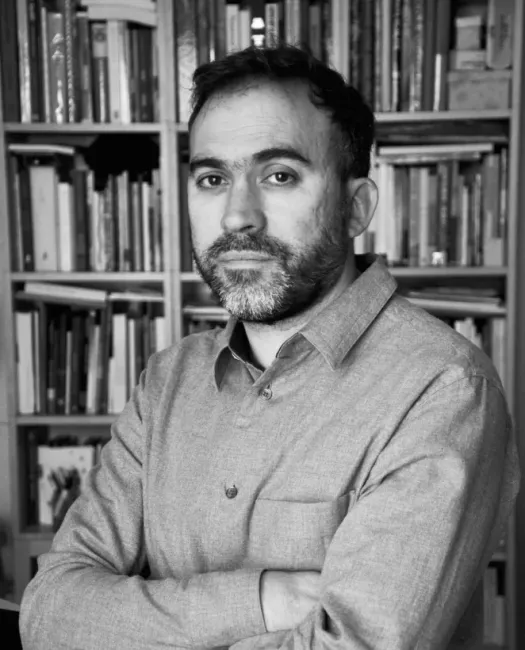
Abelardo Gil-Fournier is an artist and researcher with a background in Physics and a PhD in Art. His practice explores the relationships between media and matter through installation, image, sound and computational processes. He is co-author, with Jussi Parikka, of Living Surfaces (MIT Press, 2024).
Lab Facilitators 3
Astrid Schrader
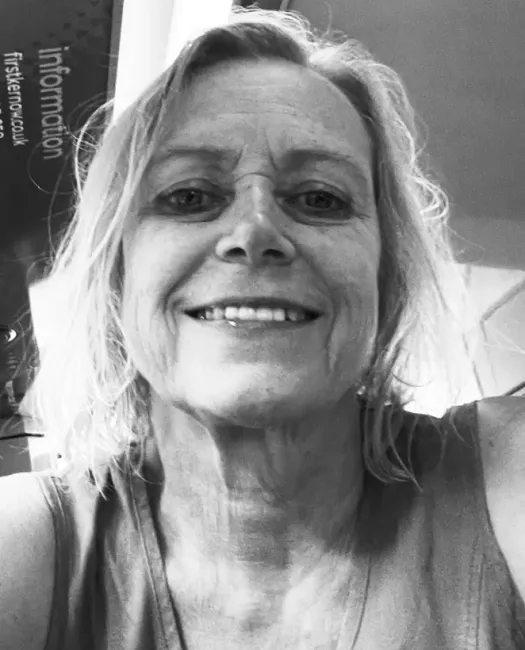
Astrid Schrader is a lecturer at the University of Exeter, with a background in physics and a PhD in History of Consciousness and Feminist Studies. Her research lies at the intersection of science and technology studies, human-animal studies and feminist and poststructuralist theories.
Ellen G. Richardson
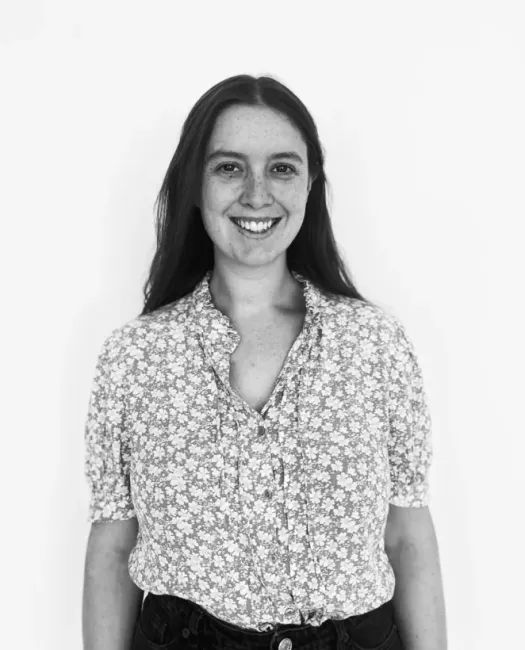
Ellen Richardson is a researcher in health humanities and the arts based in Exeter. Her practice combines health research with zine-making as a tool for communication and mediation, with the aim of bringing this research closer to diverse audiences and fostering more open forms of exchange between communities and scientific knowledge.
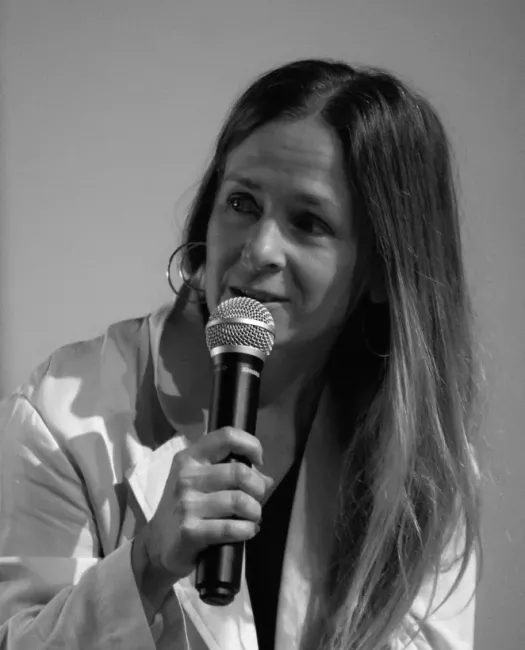
Blanca Pujals
Blanca Pujals is an architect, researcher and filmmaker with a PhD in Visual and Material Cultures. Her transdisciplinary practice explores the political and material dimensions of technoscientific infrastructures, power relations over bodies and territories, and the geopolitics of materials.
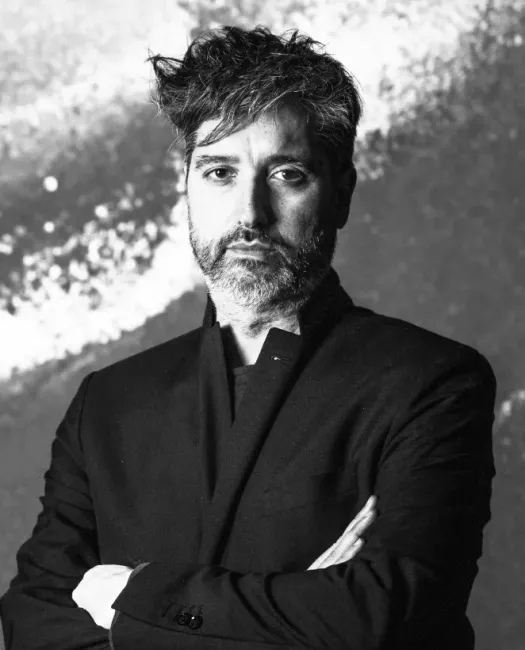
José Luis de Vicente
José Luis de Vicente is a curator and cultural researcher specialising in art, technology, science and innovation. He has directed the Museu del Disseny de Barcelona and Sónar+D.
Lab Facilitators 4
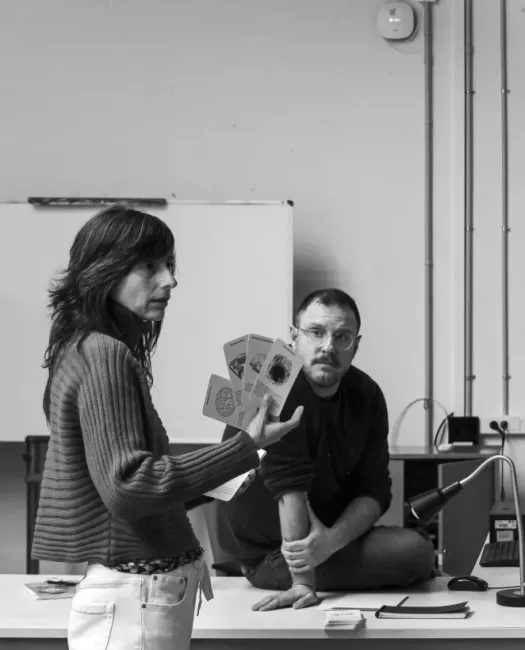
Laboratorio de Pensamiento Lúdico
The Laboratorio de Pensamiento Lúdico (LPL), made up of Antonio R. Montesinos and Susana Rodilla, develops play as a tool for multidisciplinary research and collective intelligence. Its practice challenges disciplinary boundaries from experimental pedagogy and decolonial and ecofeminist perspectives.
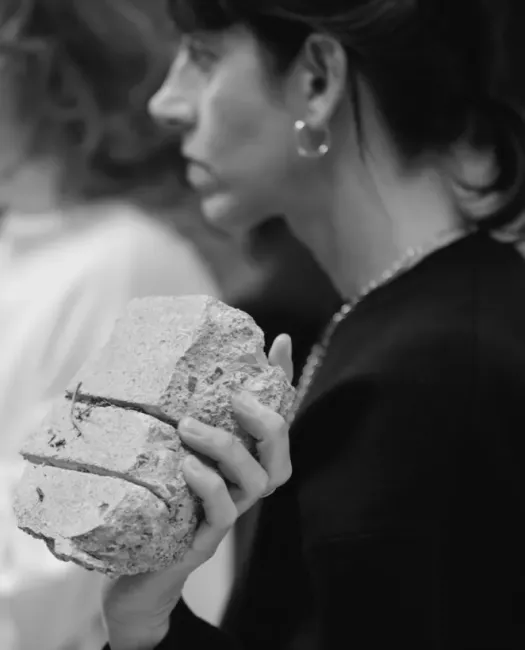
Lara García
Lara García Díaz is a lecturer and researcher with a PhD in Social Sciences from the University of Antwerp. Her research connects social design, material culture and artistic practices from feminist and relational perspectives, with particular attention to care, material justice and more-than-human worlds.
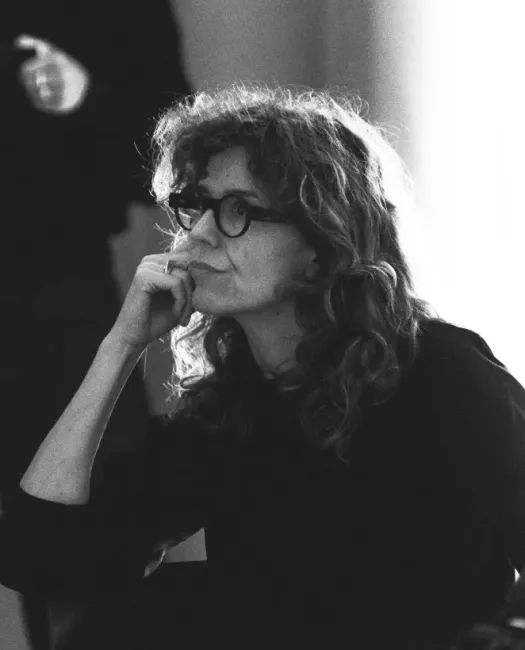
María García
María García Ruiz is an artist, researcher and lecturer who trained in Architecture and is a PhD candidate in Philosophy at the UAB. Her practice explores the relationships between bodies, inhabitants and environments through artistic research, weaving narratives across image, writing, curating and action.
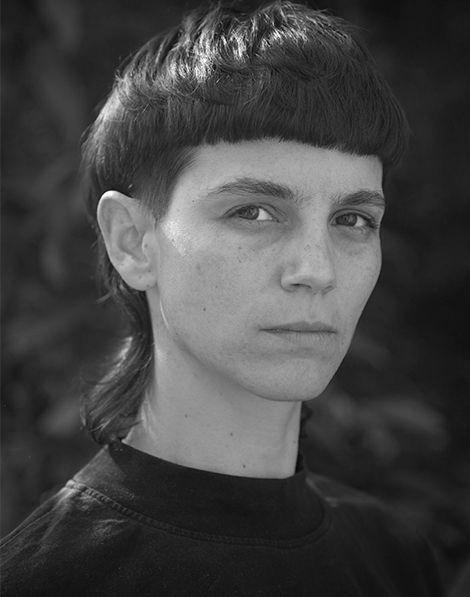
Jara Rocha
Jara Rocha is an independent researcher, writer and curator. Their practice addresses situated forms of technology distribution from transfeminist and critical perspectives, combining research, publishing and pedagogical action around regenerative justice.
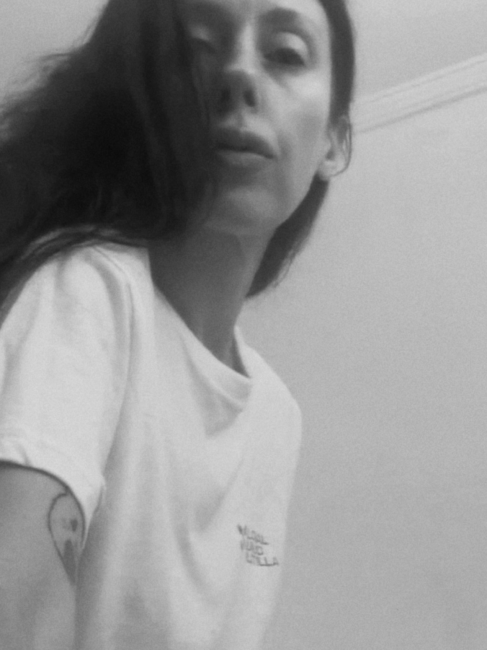
Lucía Àngel C. Pino
Lucía Ángel C. Pino is a visual artist. Her experimental practice in sculpture and installation explores the relationships between matter, body, space and queer ecologies, with particular attention to collaborative processes and the affective and political dimensions of materials.





Press
Here you will find press releases, press kits, images, videos and audio from the activities we organise.
Watch the livestream of the press conference (in English and Catalan) on YouTube here.
→ Press release
→ Images
FAQs
Frequently asked questions
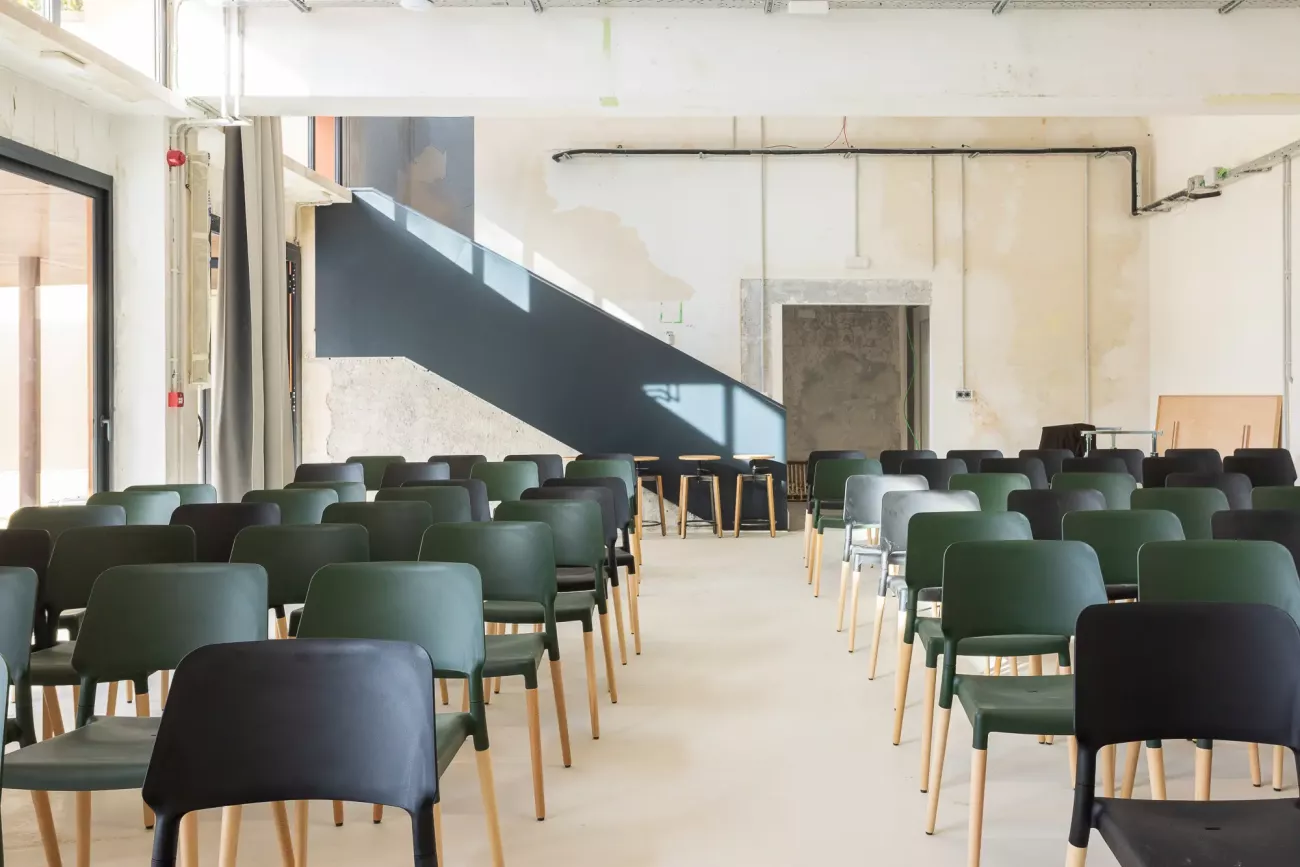
DIFRACTA ’26 takes place on 20 and 21 November at Eina Bosc, carrer del Bosc, 2, 08017 Barcelona. You can get there by public transport on the Ferrocarrils de la Generalitat de Catalunya (FGC), getting off at Peu del Funicular station.
If you cannot attend in person, you can also follow the festival via livestream, which gives access to the four keynote lectures and the closing lecture.
If you have specific accessibility or mobility needs, we recommend contacting the organisers in advance at eina.obra@eina.cat for information about the venues and access options.
Yes, capacity is limited for all activities. To take part in the labs, you need to register in advance and choose the activity you wish to attend in each thematic block during the booking process. We recommend buying your ticket early to secure your place.
No prior knowledge of quantum physics is needed. DIFRACTA ’26 is a space for encounter, reflection and experimentation open to anyone interested in the relationships between science, art, design and philosophy. The activities explore these disciplines from different perspectives, encouraging dialogue and the exchange of knowledge.
You may take photos during the activities as long as this does not interfere with how they run or with the experience of other participants. To make video or audio recordings, we recommend checking with the organisers beforehand and following the guidelines for each activity.