



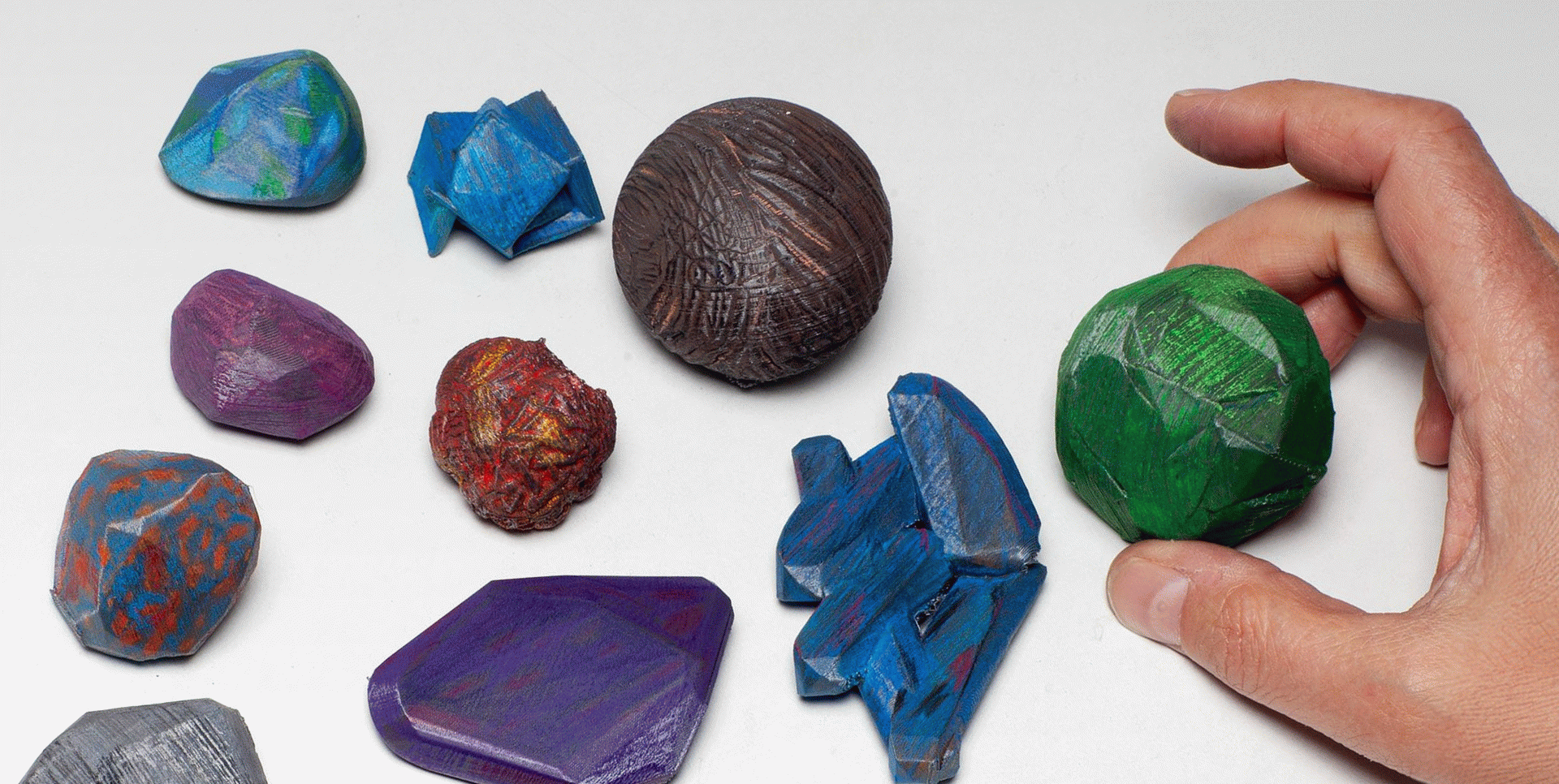
The Intensive Food Design Course: Edible Artefact offers an immersive introduction to food design, approaching food as a territory where design, material culture, behaviour and contemporary consumption systems converge.
Coordinated by Martí Guixé, the course explores how food can function as a designed object, a behavioural device or a prototype for the future.
Through research, experimentation and conceptual development, participants will explore new ways of thinking about what we eat, how we eat and how we might eat in the future.
→ Dates: From 6 October to 20 October 2026
→ Schedule: Tuesdays and Thursdays, from 16:00 to 20:00
→ 20 hours
→ Language: Catalan and Spanish
→ Price: €750
→ Registration open
Who is it for?
This course is aimed at creative and professional profiles interested in exploring the relationship between design and food through a contemporary and experimental perspective.
It is particularly suitable for:
- graphic, product and experience designers
- artists and visual creators
- gastronomy and hospitality professionals
- professionals working in branding and communication
- creatives interested in food innovation
- marketing and strategy professionals
- individuals interested in emerging food cultures and the future of food design
No previous experience in gastronomy is required. The course approaches design as a tool for researching, conceptualising and developing new proposals connected to the world of food.
Methodology
The programme follows an intensive, practical and experimental format. Through workshops, case-study analysis and project development, participants will explore new ways of understanding food beyond the traditional recipe or gastronomic product.
The methodology combines:
- analysis of international food design projects and references
- visual and conceptual research
- exploratory exercises
- ideation and prototyping processes
- storytelling and narrative construction
- individual work and creative mentoring
The course is conceived as a laboratory of ideas where participants can experiment with materials, formats, uses and contexts linked to contemporary food culture.
Objectives
The aim of this course is to introduce participants to food design as a tool for imagining new relationships between design, food and contemporary culture.
Throughout the programme you will learn to:
- understand food as a design object and cultural experience
- explore new forms of consumption and eating behaviour
- develop food design projects using creative and experimental methodologies
- work with conceptualisation, storytelling and prototyping processes
- design proposals related to food innovation and the future of food
- incorporate design as a strategic tool within gastronomic and cultural projects
The ultimate goal of the course is for each participant to develop an original food design proposal capable of responding to contemporary contexts and emerging eating habits.
Curriculum
Week 1 — Introduction to Food Design and Emerging Food Cultures
We will begin by exploring how consumption habits and our relationship with food are changing. Participants will analyse key food design references and examine concepts related to food as a cultural object, an experience and a behavioural system.
Week 2 — Scenarios and Conceptual Exploration
Through practical exercises and exploratory methodologies, participants will develop scenarios, archetypes and new ways of imagining food products and experiences. The session will include guest contributors and real-world case studies related to food innovation and experimental design.
Week 3 — Concept Development and Project Design
Participants will begin developing their food design proposals through research, ideation and conceptual construction processes. We will explore design as a tool for generating new food perspectives and new ways of consuming.
Week 4 — Materiality and Prototyping
Participants will explore how to translate ideas into objects, experiences or edible artefacts through processes of materialisation and prototyping. The relationship between form, use, context and narrative within food design will be examined.
Week 5 — Storytelling and Final Presentation
The final week will focus on the narrative development of projects. Participants will work on naming, storytelling, visualisation and contextualisation in order to communicate their food design concepts clearly and effectively.
Career Opportunities
The course opens up new professional opportunities at the intersection of design, food and cultural innovation.
The knowledge acquired can be applied in areas such as:
- food design
- food innovation
- gastronomic branding
- experience design
- food product conceptualisation
- food packaging
- creative direction
- trend research and food futures
- creative consultancy
- experimental gastronomy
The course is also particularly valuable for professionals wishing to incorporate design as a strategic tool within gastronomic, cultural or contemporary consumption-related projects.
Teaching Staff
Martí Guixé
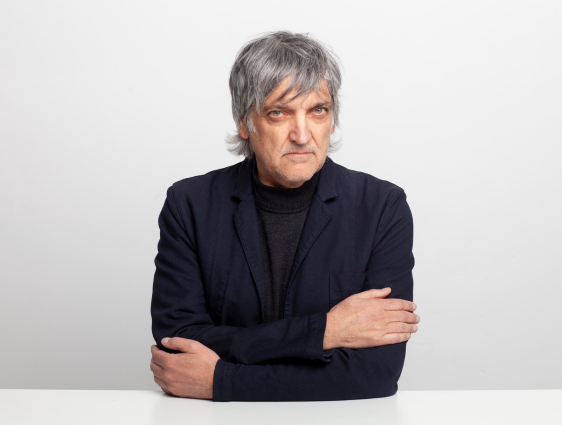
An internationally recognised designer and one of the pioneering figures in food design. His work explores the relationship between design, food, consumption and contemporary culture, redefining the way we understand eating and food as a design object.
Discounts
20% discount for:
- Former students who have completed a Graduate, Bachelor's, Master's or Postgraduate programme at Eina
10% discount for:
- Current students of Eina
- Members of the Associació Catalana de Cistellers i Cistelleres
- Members of the Catalan Association of Glass Arts
- Members of the Catalonian Ceramist Association (ACC)
- Members of the Catalan Association of Art Critics (ACCA)
- Members of the Association of Museologists of Catalonia (AMC)
- Members of the Association of Professional Illustrators of Valencia (APIV)
- Members of the Professional Association of Illustrators of Catalonia (APIC)
- Members of the Catalonia Trade, Crafts and Fashion Consortium (CCAM), holders of the artisan card, and participants in the CCAM Young Talent programme