

Behind the aesthetic image of a flower, there is a globalisation and a treatment of the product that leads to the exploitation of the environment and labour. The flower is conceived as beautiful and not as an industrial product. The industry-flower nexus is unknown and is what has driven this dissertation.
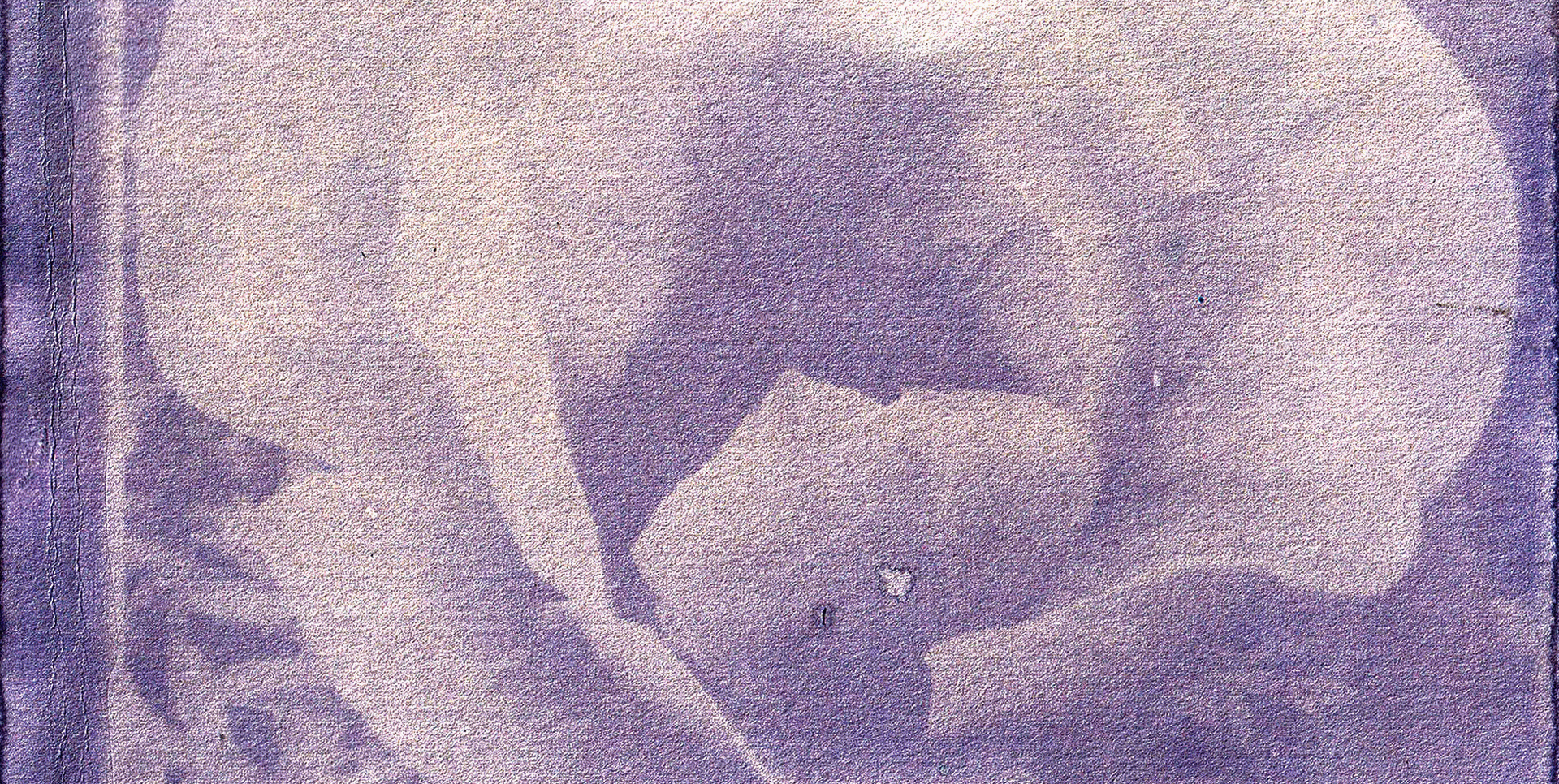
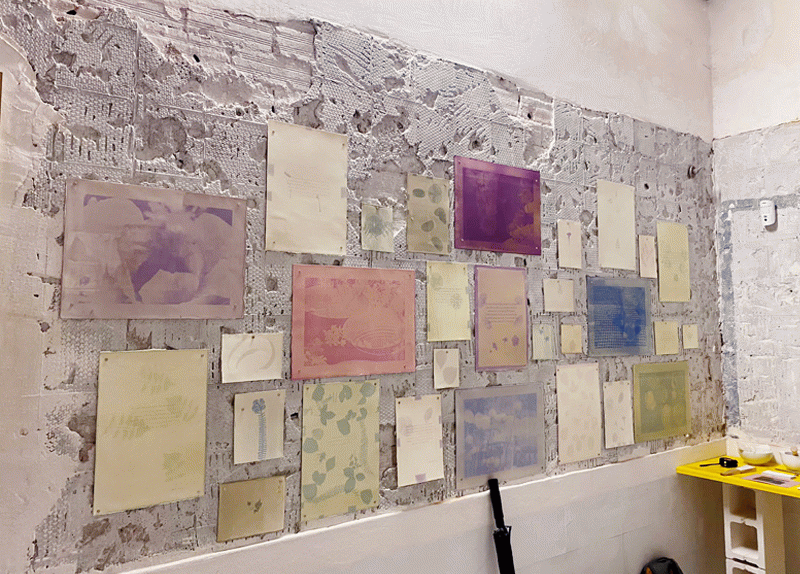
The narrative of this project is articulated around an exhibition that allows these two distant worlds to be shown and confronted in the same space, using two printing techniques with different results: digital printing and anthotypy. The development of the project consisted of three parts: research and documentation of the industry, experimentation and mastery of anthotypy and the design of the exhibition with all the material generated.
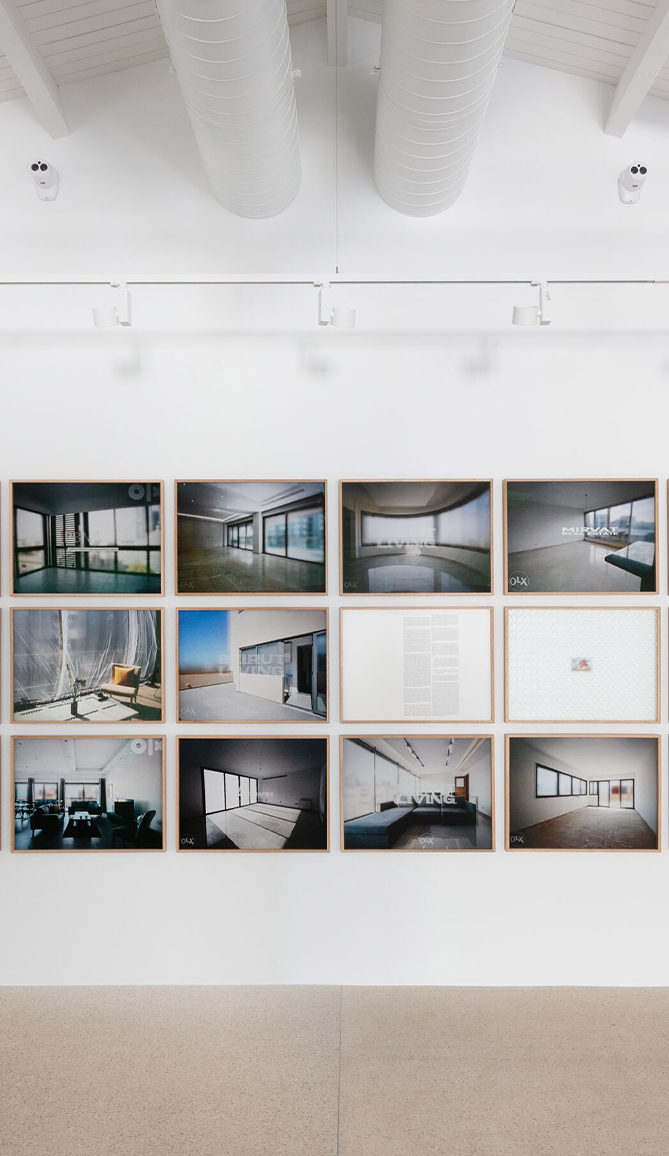
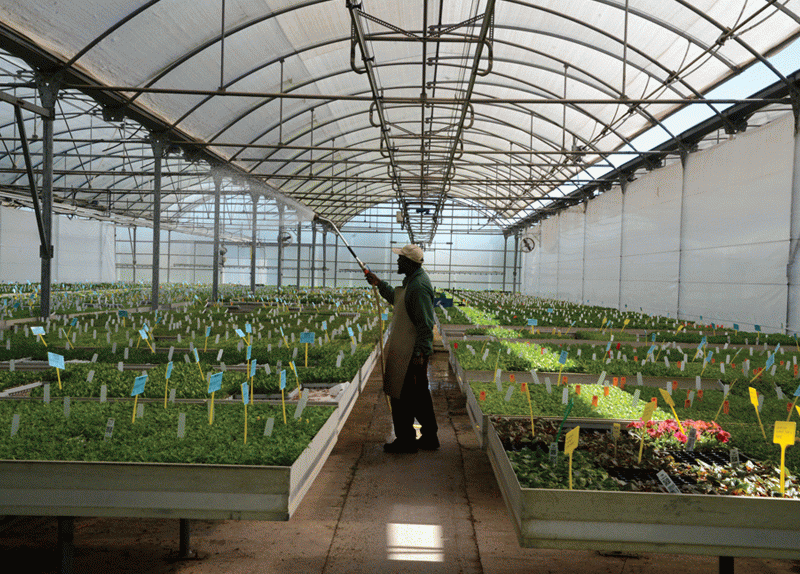
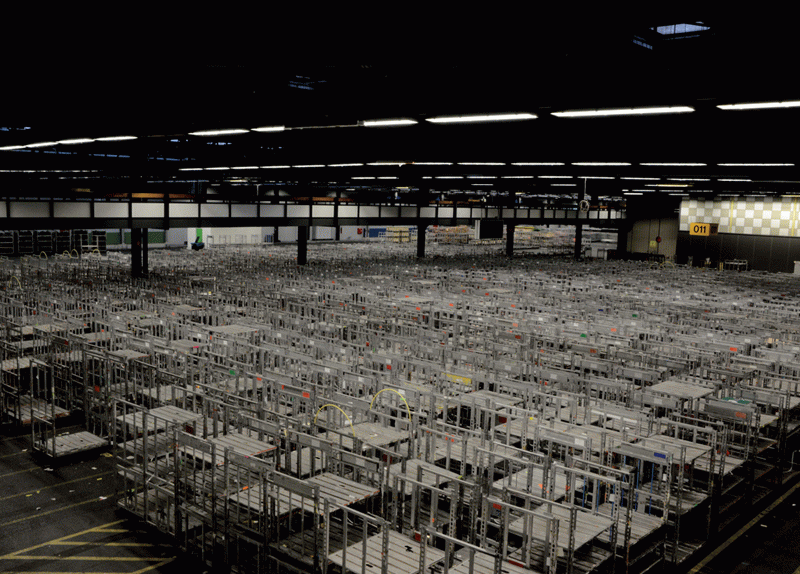
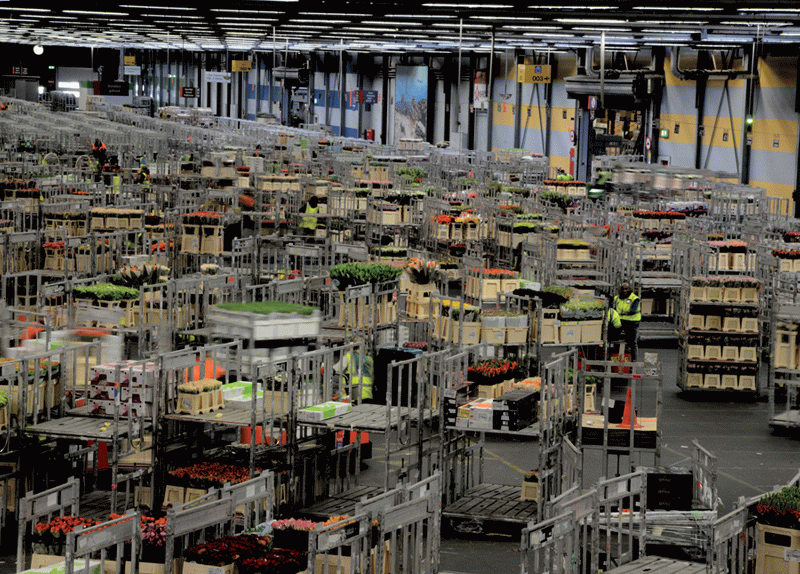
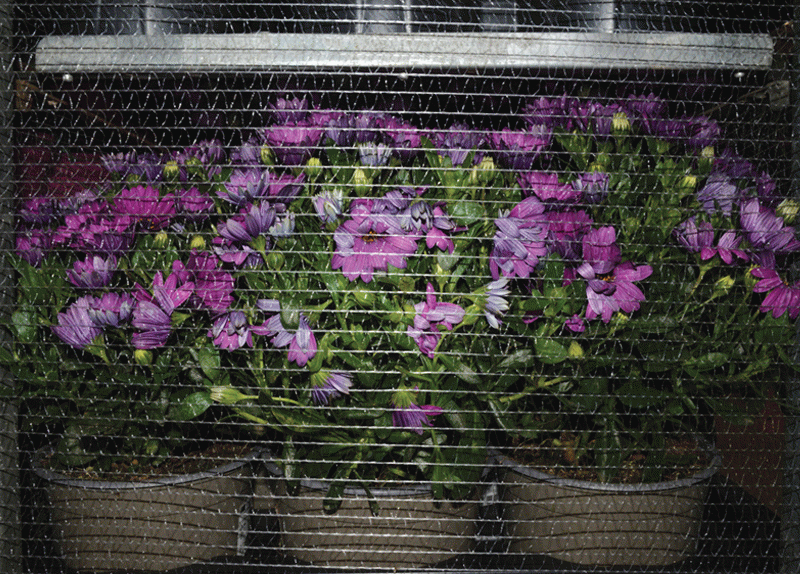
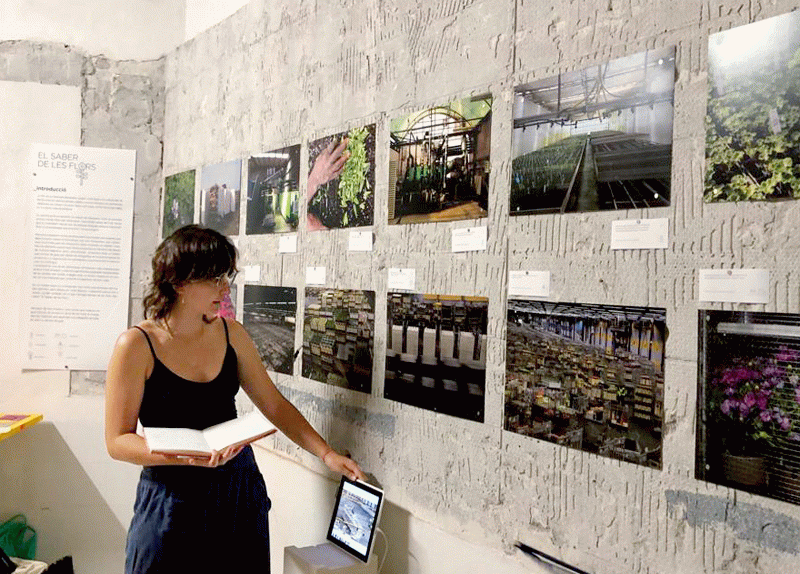
The research into the flower and plant industry has been dealt with in an objective and documentary manner using digital photography.
The research encompasses the beginning of the flower cone, the different stages of production until they reach the hands of the consumer and what is involved environmentally and ethically. The compilation of this information is shown through photographs and an explanatory infographic leaflet.
All this information, once gathered, analysed and digested, generates in me a bitter feeling of disappointment for a fateful future of the planet. How to find the hope to move forward and find a positive part in all this network of connections was thanks to the return of the flower itself.
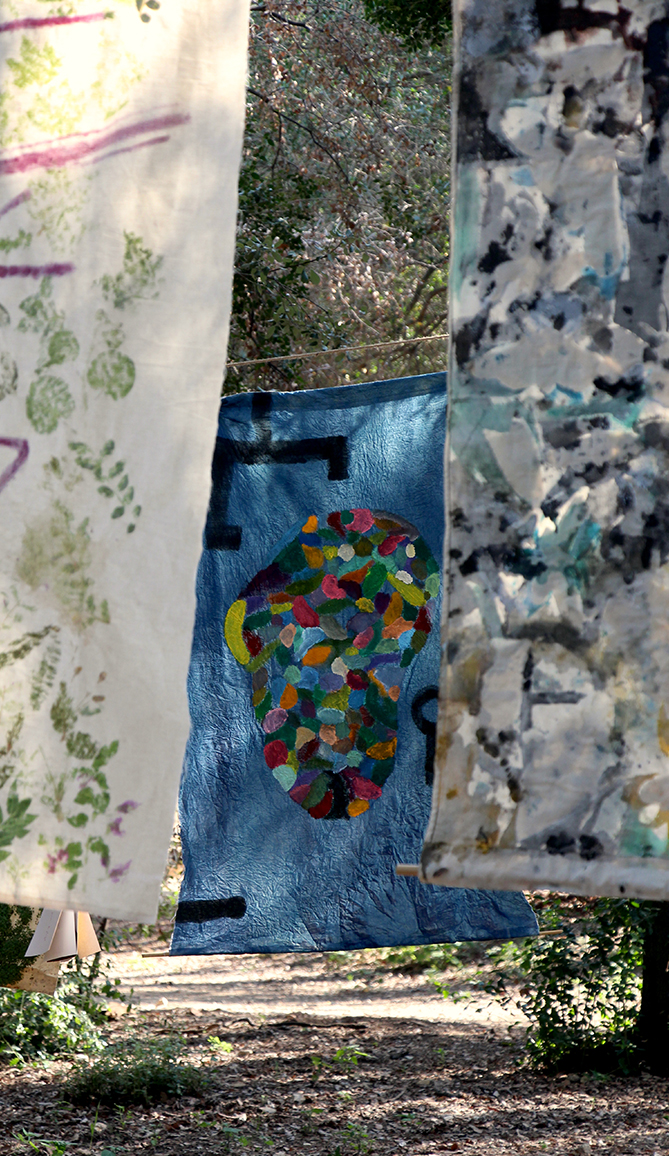
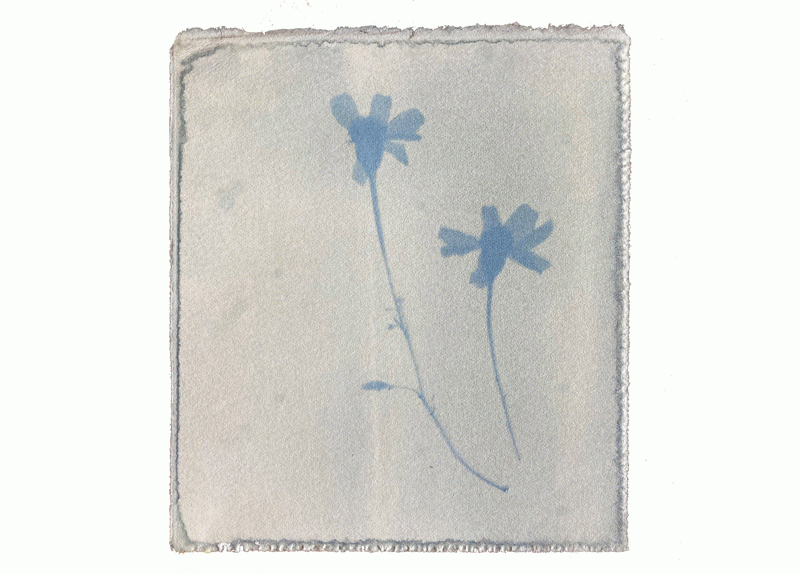
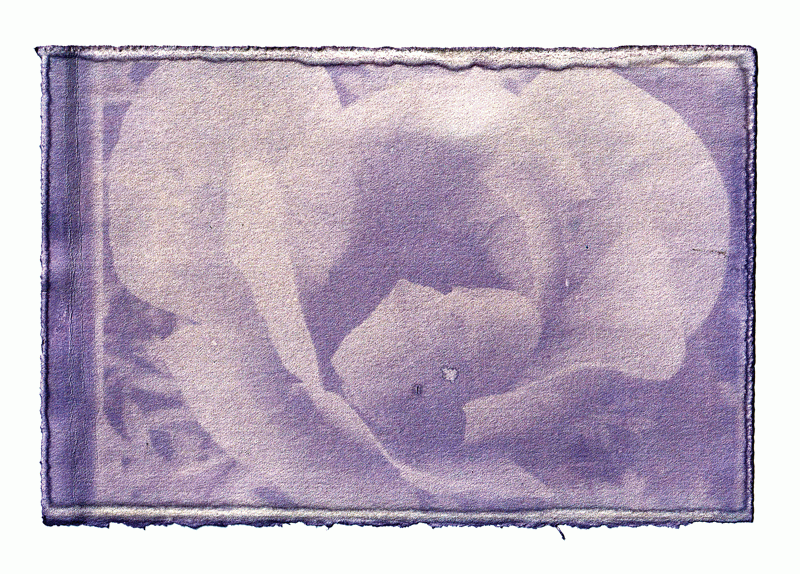
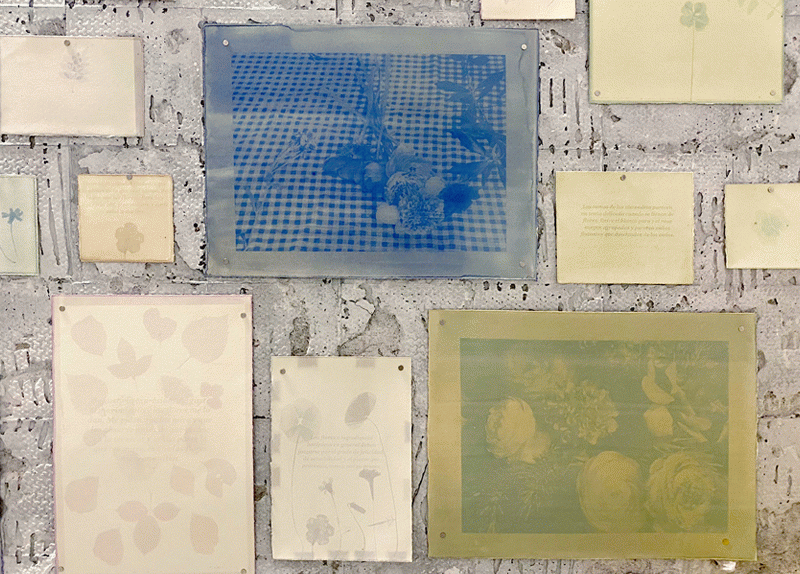
Anthotypy is one of the most environmentally friendly printing alternatives.
At the same time, it is an irregular technique, and mastering it has been an important step in carrying out this project. In total, I carried out six experiments which allowed me to learn and master the technique in order to obtain the best possible results.
The revealed anthotypes consist of 3 elements. One of the elements are text fragments of thoughts about the flowers, these are laid out together with the second element, pressed dried flowers and leaves. The third element are photographs that were taken in a workshop creating bouquets of flowers in an orchard where the flowers were growing wild.
The exhibition
The digital printing and photographs of the industry generate a dislocation and decontextualisation of the conceived knowledge of the flower and the antotypicality that returns to the love and poetry of the flower. This contrast divides the exhibition into two parts. The graphics of the exhibition are neutral and the typography is light so as not to detract from the subdued content of the anthotypies. I designed very simple and linear illustrations and a booklet containing a schematic infographic of how the industry works, which serves to situate the images exhibited in the process where they are involved and to understand that phase of production.
Finally, the two worlds that the flower encompasses today are shown in the same space. Flowers bring a subliminal connection to the environment and a direct and beautiful admiration of nature that other elements cannot do. In a world that is heading towards decline, flowers give an air of hope despite their origins. El Saber de les Flors (The Knowledge of Flowers) implies a prior learning, to see the reality that is hidden and intrinsic in flowers. It allows you to become aware and decide how you want to consume and, therefore, how you want to live.
 El Saber de les Flors
 El Saber de les Flors
 El Saber de les Flors
 El Saber de les Flors
 El Saber de les Flors
 El Saber de les Flors
 El Saber de les Flors
 El Saber de les Flors
 El Saber de les Flors