
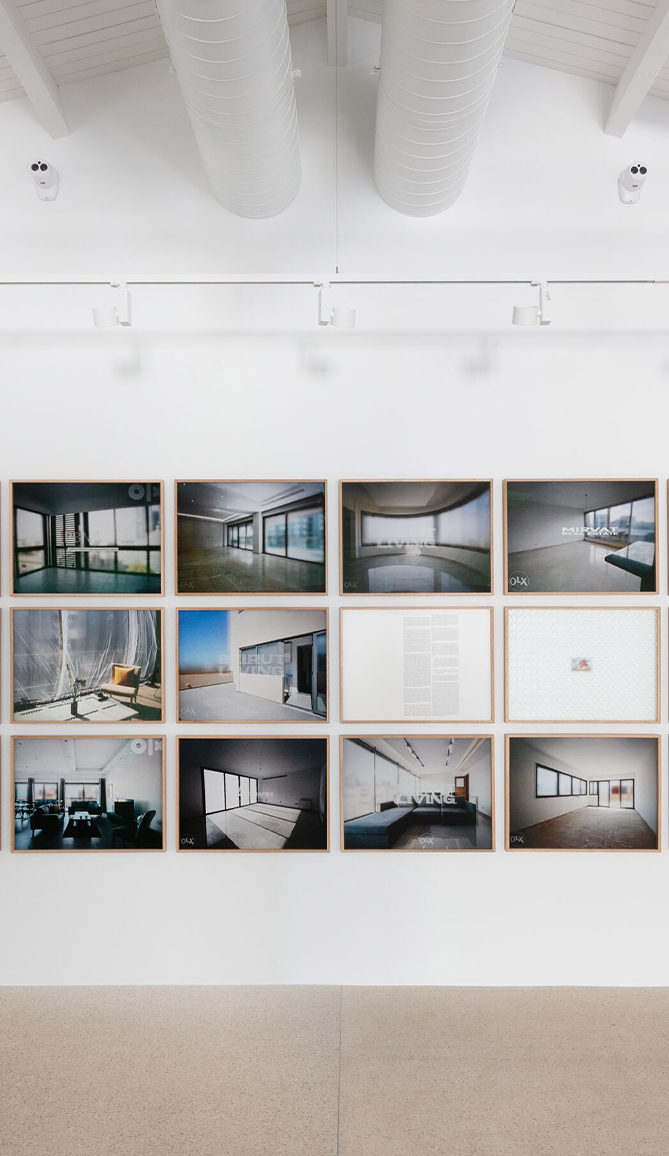

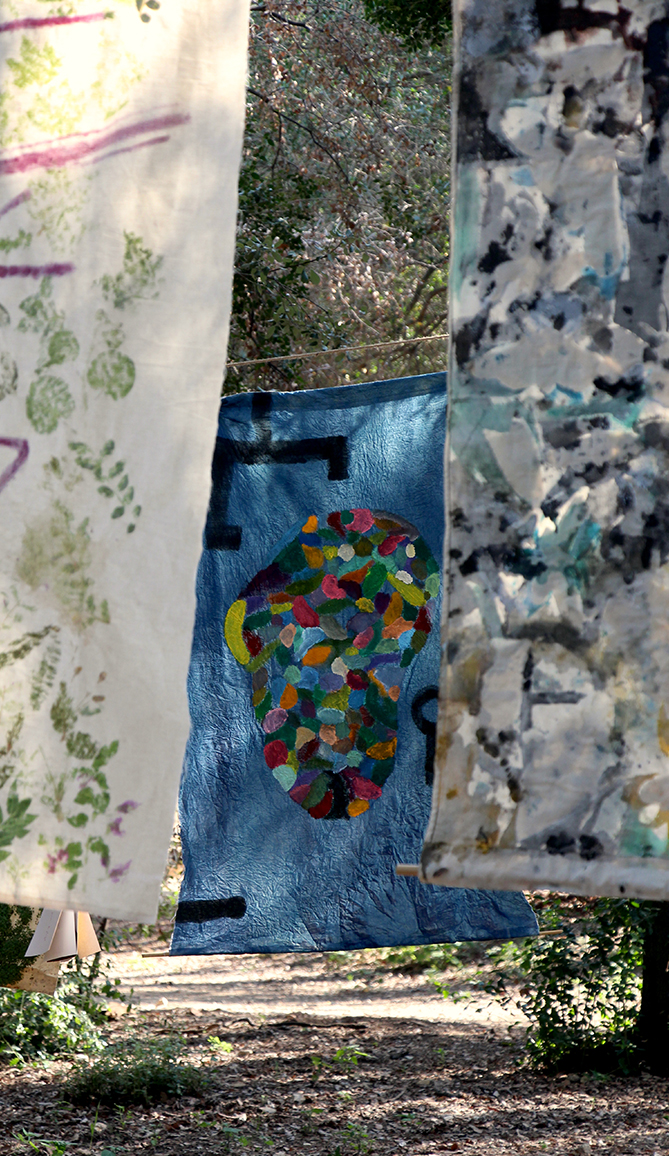

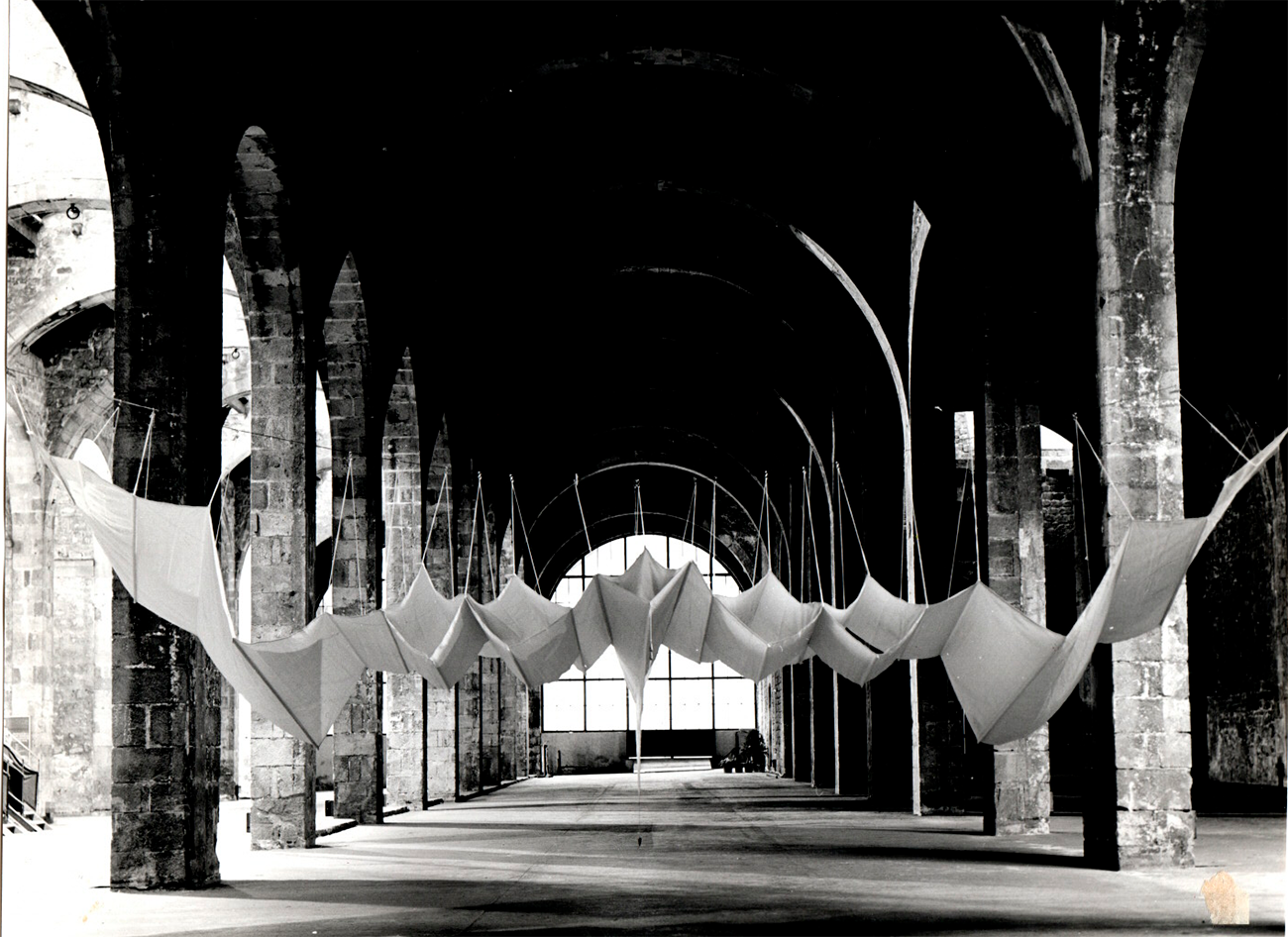

Within the framework of Architecture Weeks, Eina Actua has taken place, an innovative proposal that seeks to redefine the relationship between the urban environment and the extensive forest mass of Collserola, directed by designer and biologist Jon Marin.
This initiative, pioneering in its approach, has invited us to visualize the city and the mountain range as a single interconnected ecosystem. The project is part of the Living Lab Eina Collserola, promoted by Javier Nieto, Director of Innovation and Business at Eina, which brings together research and transfer projects that generate innovation in design related to the territory and its communities, from the perspective of material and social sustainability.
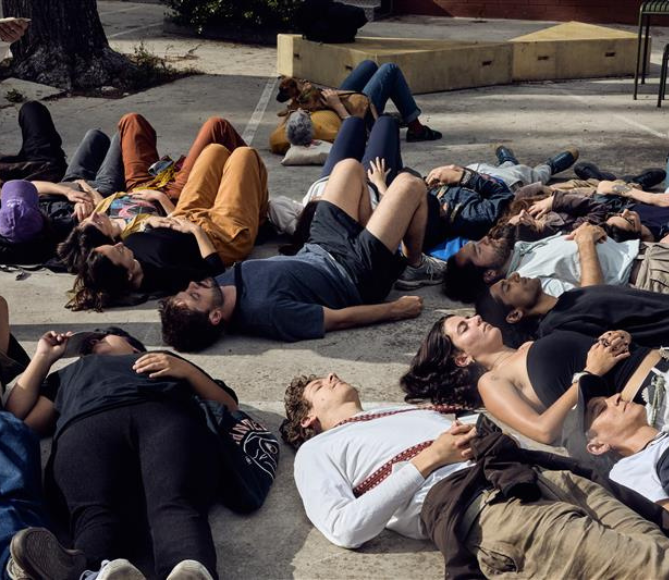
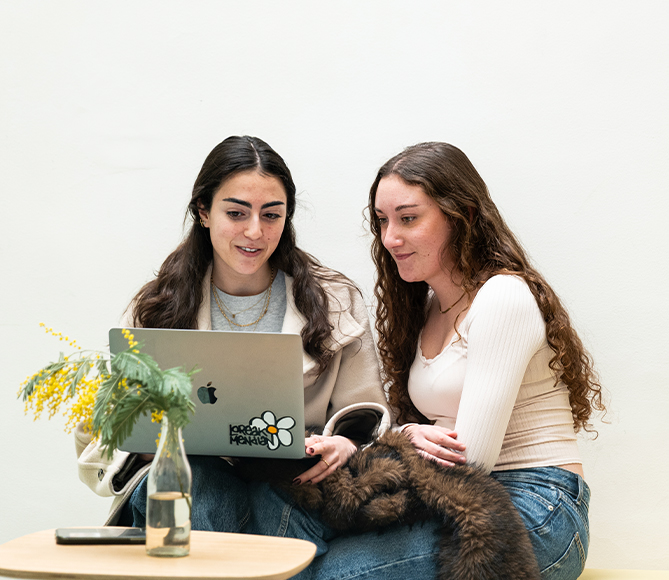
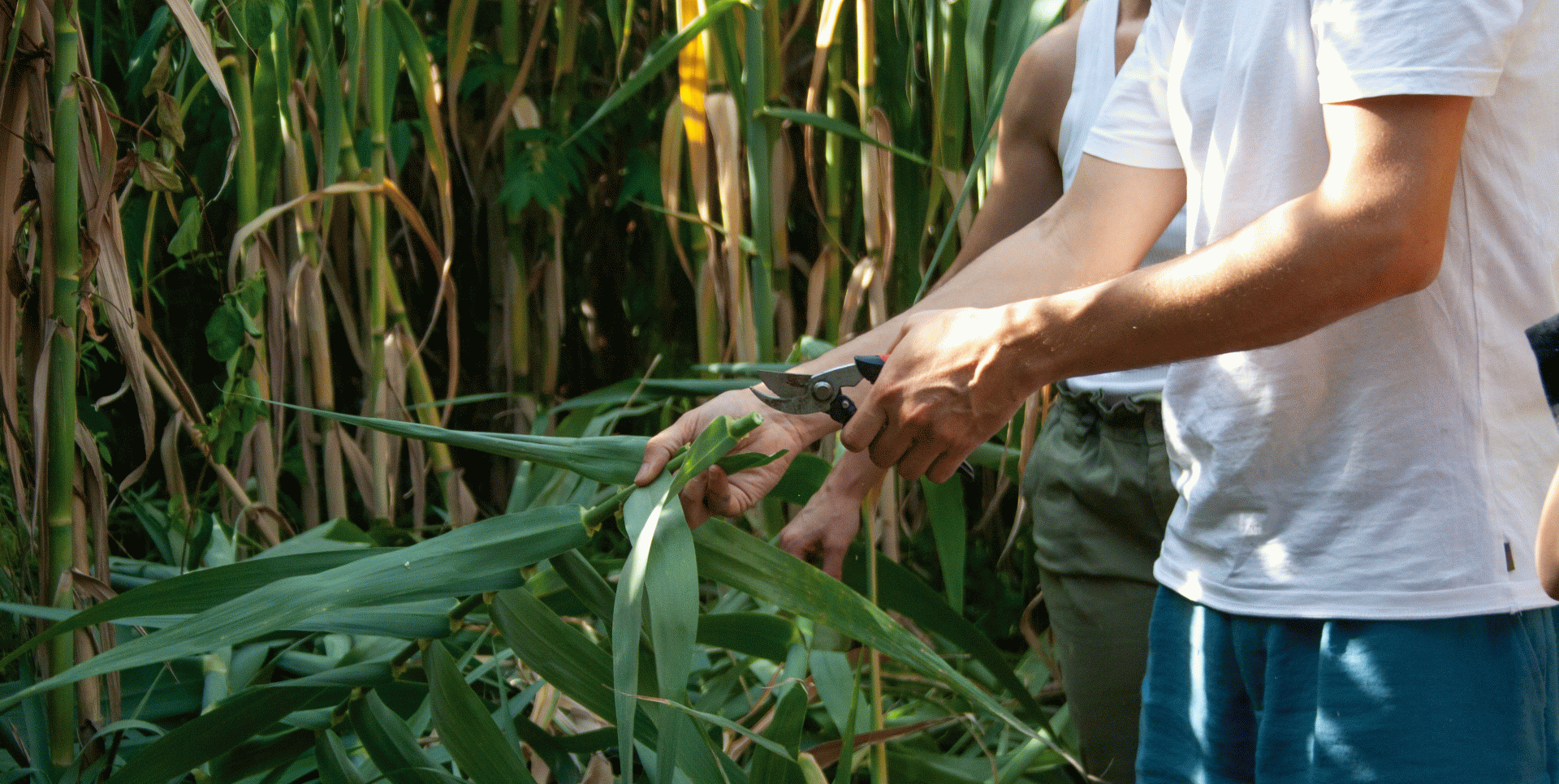
Through open and collaborative workshops, held between May and June 2025, Eina Actua has promoted a transformation of the environment based on citizen participation, sustainable design, and respect for the landscape. This connection with the territory has not only been physical but also emotional and symbolic: it seeks to return to citizens an active and conscious relationship with their immediate surroundings.
"Nature should not be outside the city, but at its center," comments Jon Marin. "With Eina Actua, we seek to reconnect with Collserola to understand that the landscape is an essential part of healthier and more humane urban planning," Marin points out.
The proposal transforms the city into a living experimentation space where the landscape ceases to be a backdrop and becomes a central element of urban design. In a time of climate crisis and territorial fragmentation, Eina Actua demonstrates that reconnecting with the environment is key to building more livable, resilient, and humane cities.
"The initiative has been a pilot of the Eina Porta de Collserola activity program that will take place during 2026 within the framework of Barcelona, World Capital of Architecture," explains Javier Nieto.
The project reinforces the idea that design can be a tool to heal bonds between people, nature, and public space, opening paths towards more inclusive urban planning committed to the landscape we inhabit.