


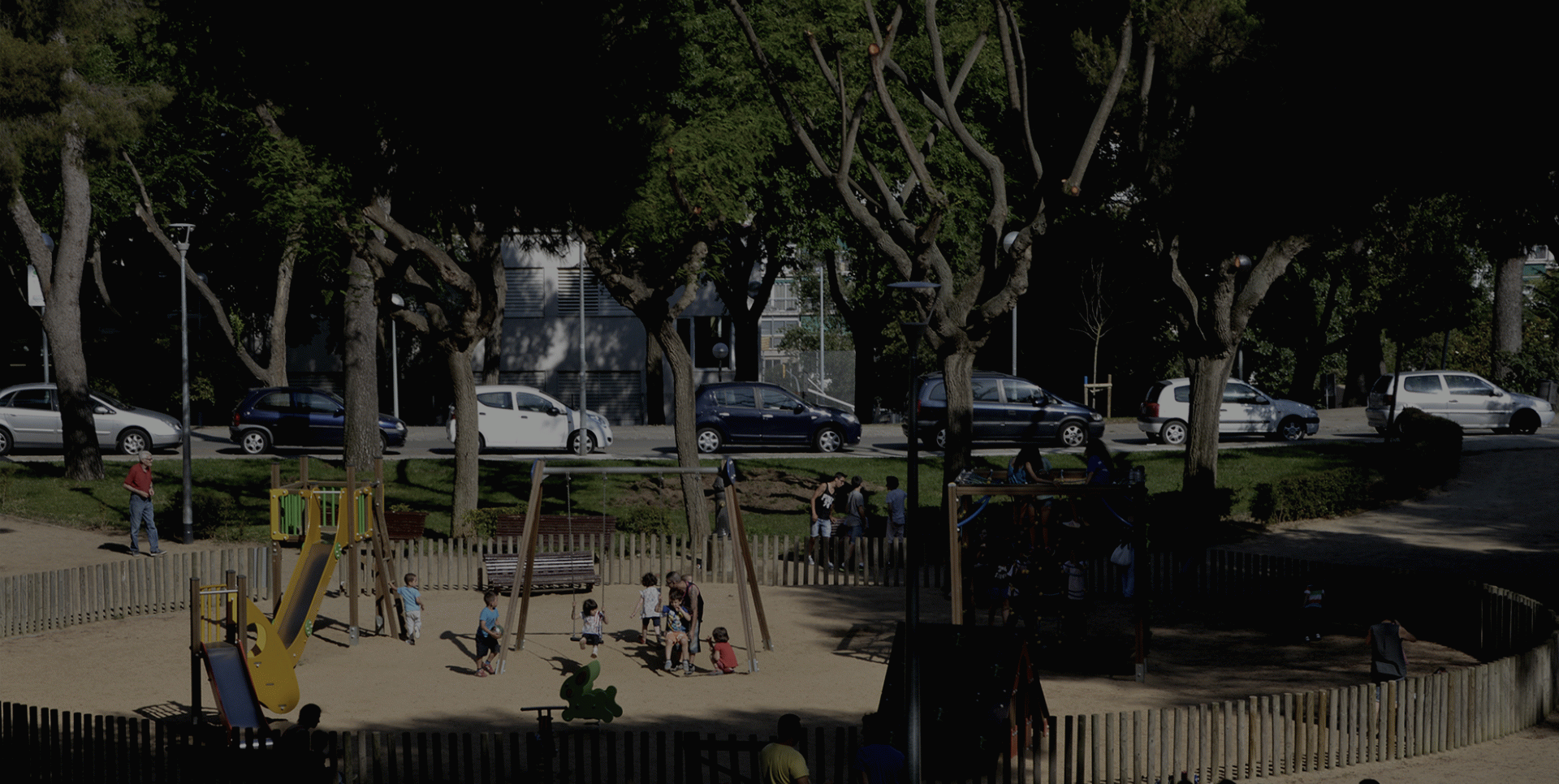
The smallest and most aged suburb of Barcelona has become isolated for the residents, buried amidst huge complexes that monopolise the space, the influence of which for attracting people to the suburb is not being used. As a resident, I have been involved in various projects in the neighbourhood, thanks to which my interest has grown in seeing how we could continue to improve through citizen participation.
Urban design is the language of the city, and design decisions can mark the difference between a space that works in harmony with the uses and needs of the people and one that does not. Urban design projects have to aid socialisation and the use of space by people.
One of the ways in which design can show the steps that residents need to take is that of participative methods and social innovation, which enable the public space to be revitalised and taken back, strengthening the social fabric and improving people's quality of life.
Despite this, many of the existing projects that we call social innovation are in a diffuse state of gestation, but they are all embryos of new ways of living and producing.
The majority of these initiatives have been conceived and rolled out by the same people, who use their skills, techniques and direct knowledge of the problem to find a possible solution, sometimes not properly used, applying new developments in technology.
In this field, design takes on a relevant role in the design of these initiatives as it can conceive and develop ideas with social and technological innovators, entrepreneurs and political leaders to find new opportunities. With participative methods, design can create an effective path for fostering and sustaining the collective resilience of a community.
Designers can act as mediators and catalysts of change by designing and solving problems with the members of a community, creating tools and processes to nourish it the more the better. This way, they can create their own solutions or work actively on them to achieve the desired changes, which is the philosophy that lies behind participative design.
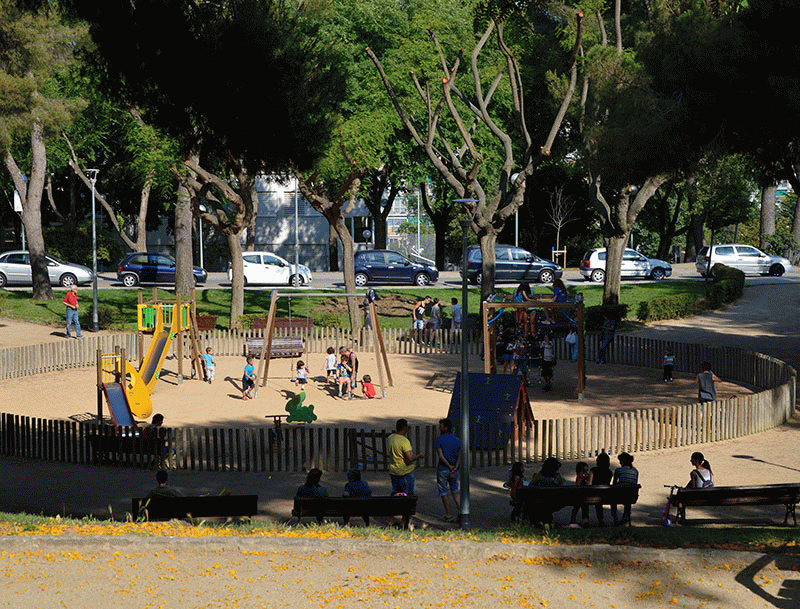 Bernat Amate - Proposed revitalisation of the Montbau suburb
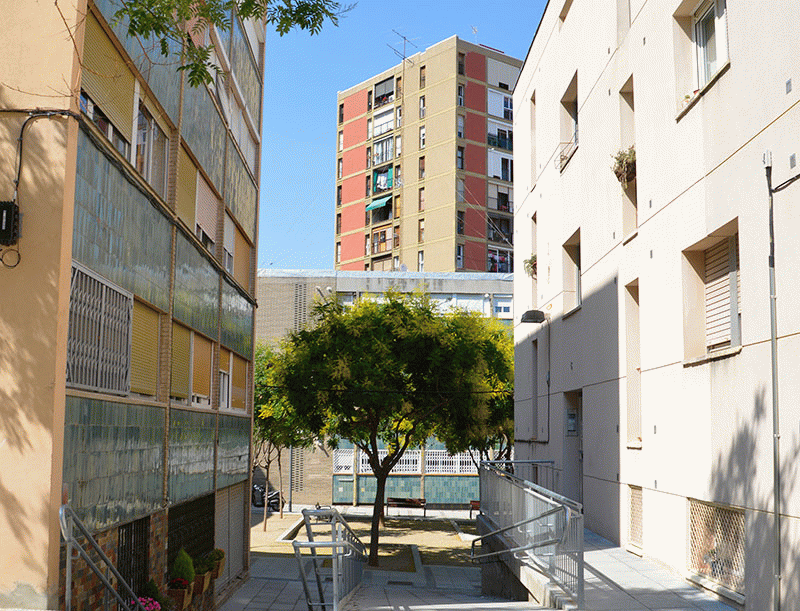 Bernat Amate - Proposed revitalisation of the Montbau suburb