





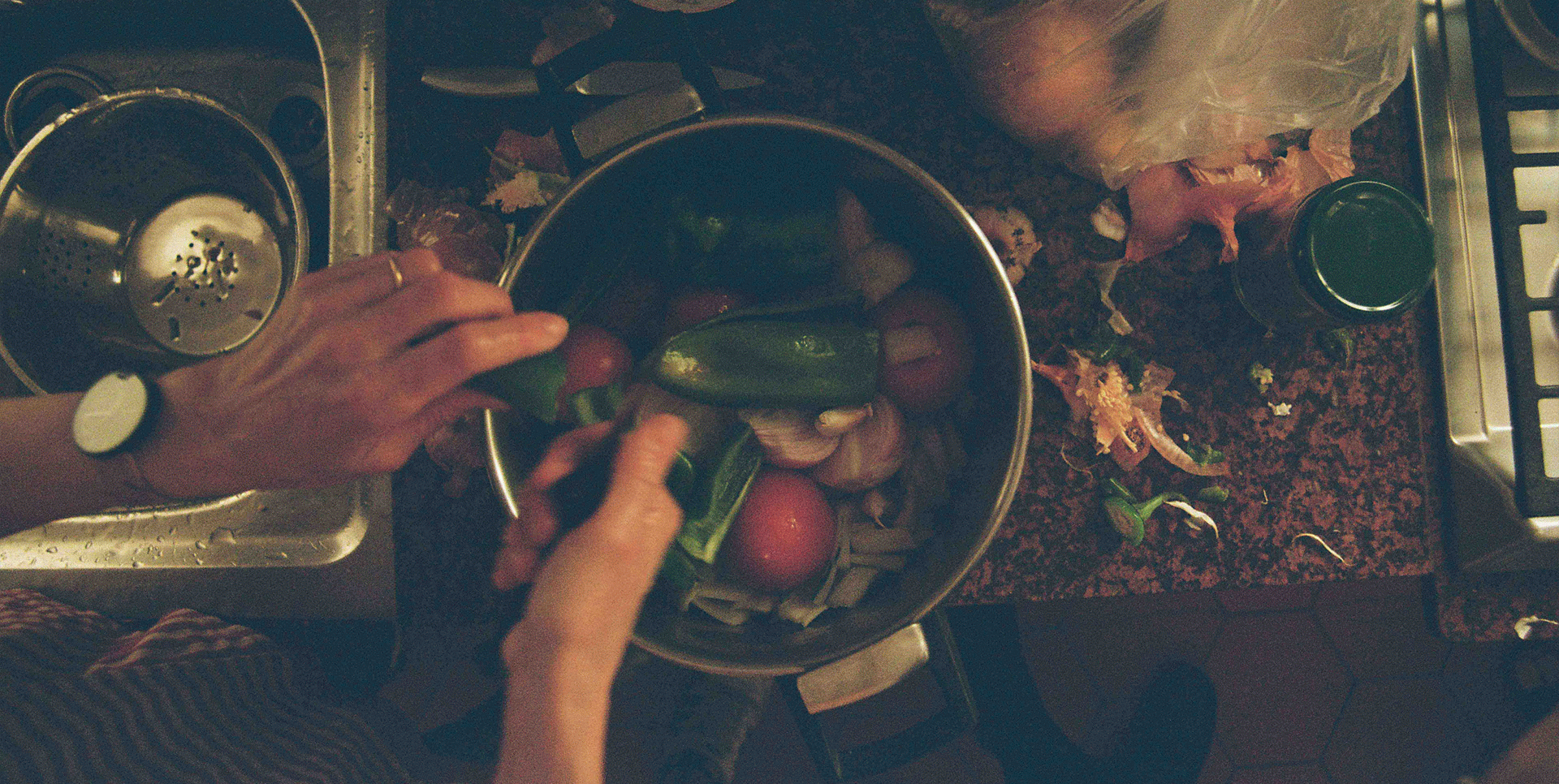
Esaboría. Grandma’s recipes as an element of family memory and cultural heritage from our Andalusian past.
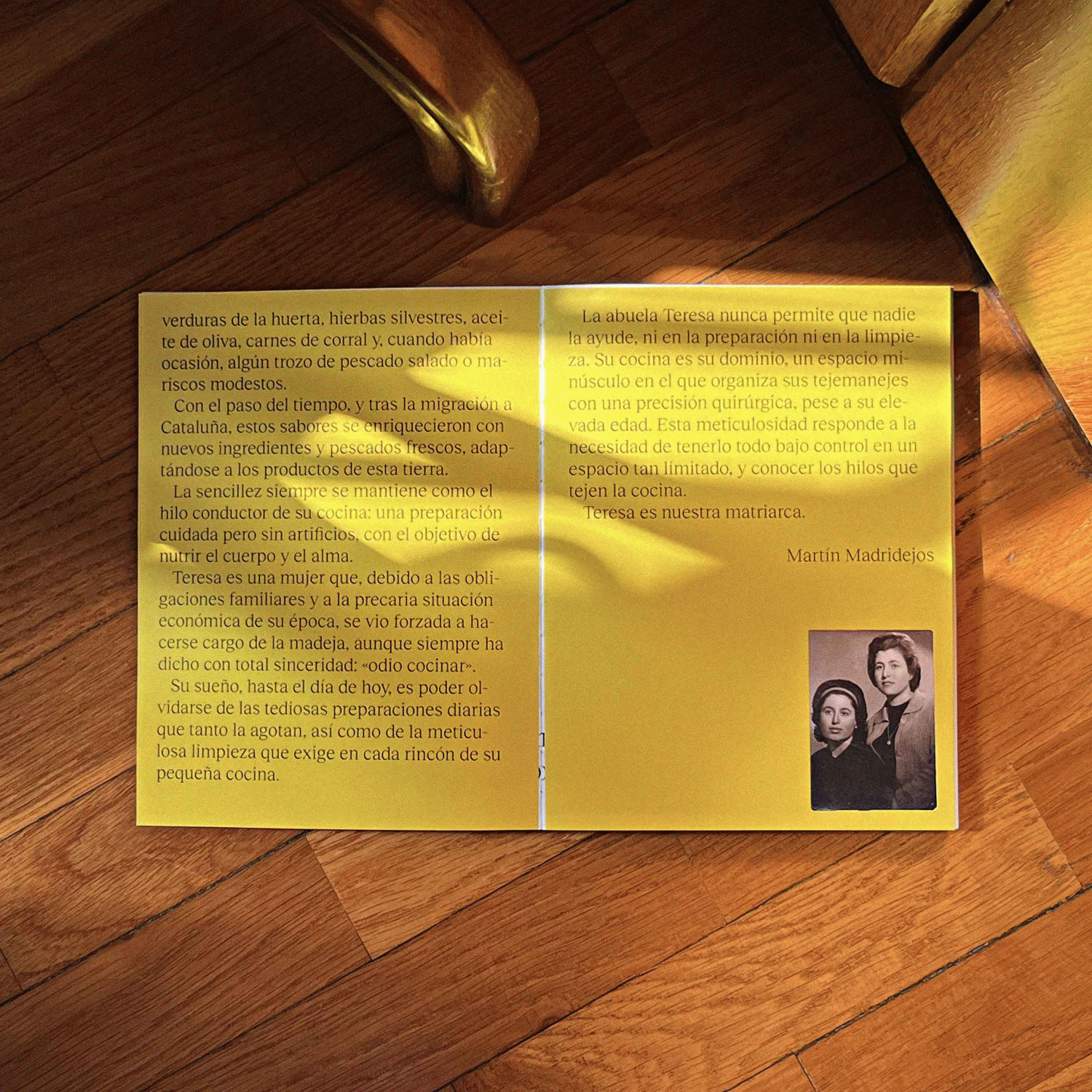
This final degree project investigates the role of migrant women in the mid-20th century. They came from villages in agricultural Andalusia, fleeing hunger and poverty to more industrialized areas, such as the city of Barcelona. It was among the shacks of Somorrostro, the shared apartments in L’Hospitalet, and the slopes of Torre Baró where our grandmothers grew up. Between kitchens, laundries, and neighborhood squares, they had to rebuild their lives. The language barrier, accentuated by widespread illiteracy, the resulting social and opportunity limitations, and the pressure of being responsible for the family and reproductive tasks marked their experiences.
Years later, we, the granddaughters, inherit their legacy. A cultural inheritance preserved in our expressions, meals, and traditions. The grandpa’s sayings, which we didn’t understand as children and now reproduce; the grandma’s stories while cooking papas a pelote; the mother switching to Spanish when she becomes serious; or Februarys, year after year, gathered with a plate of migas in front.
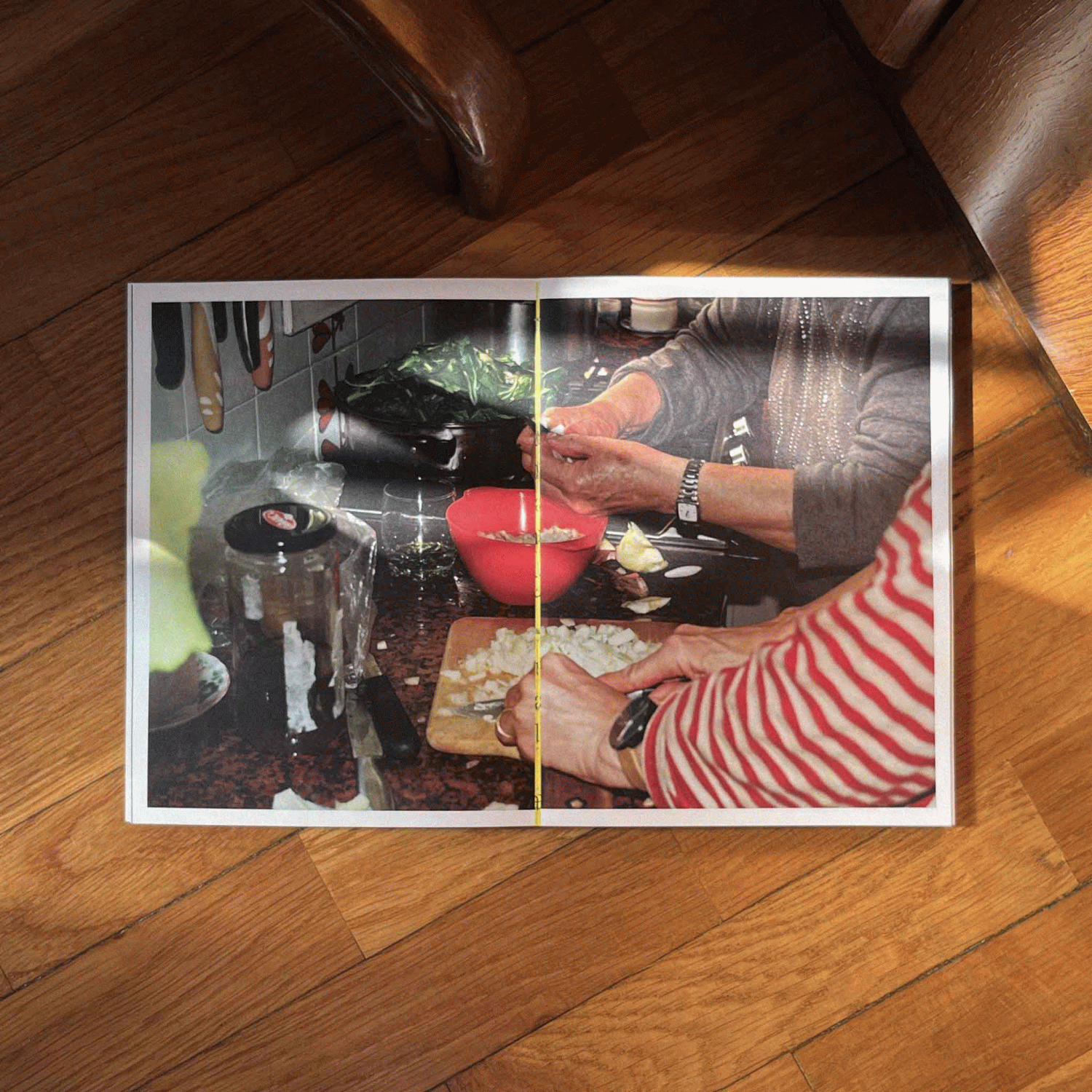
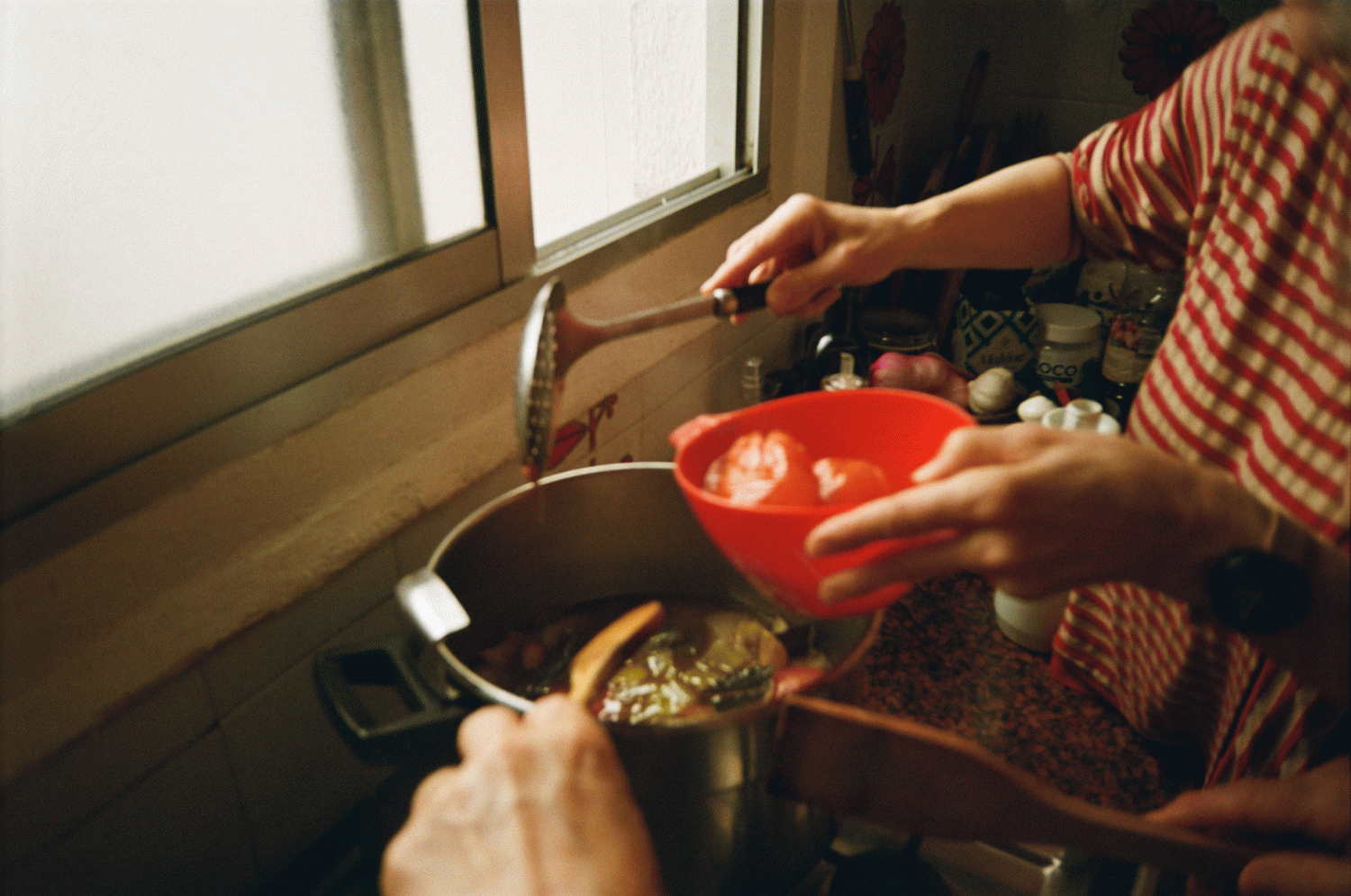
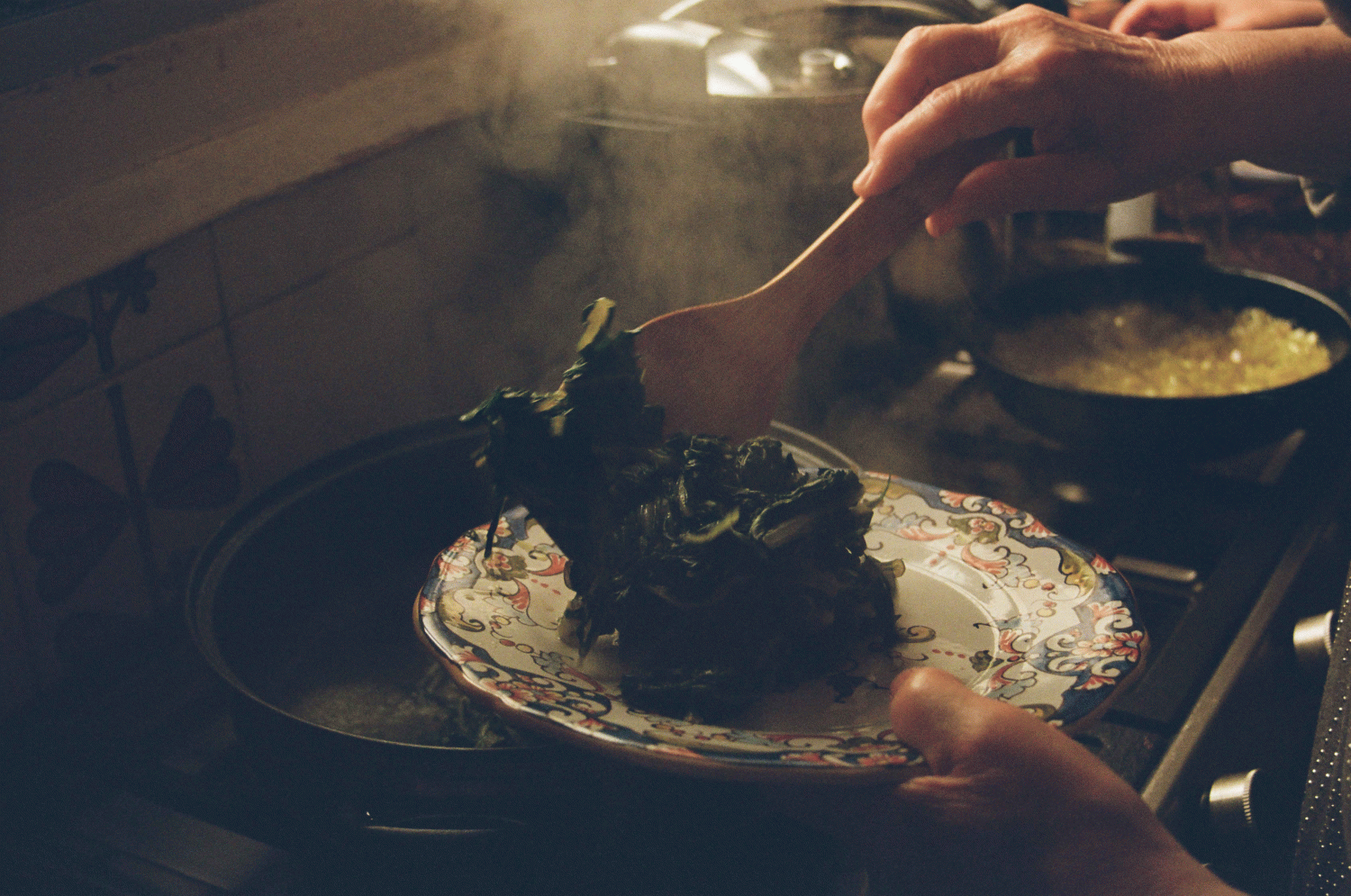
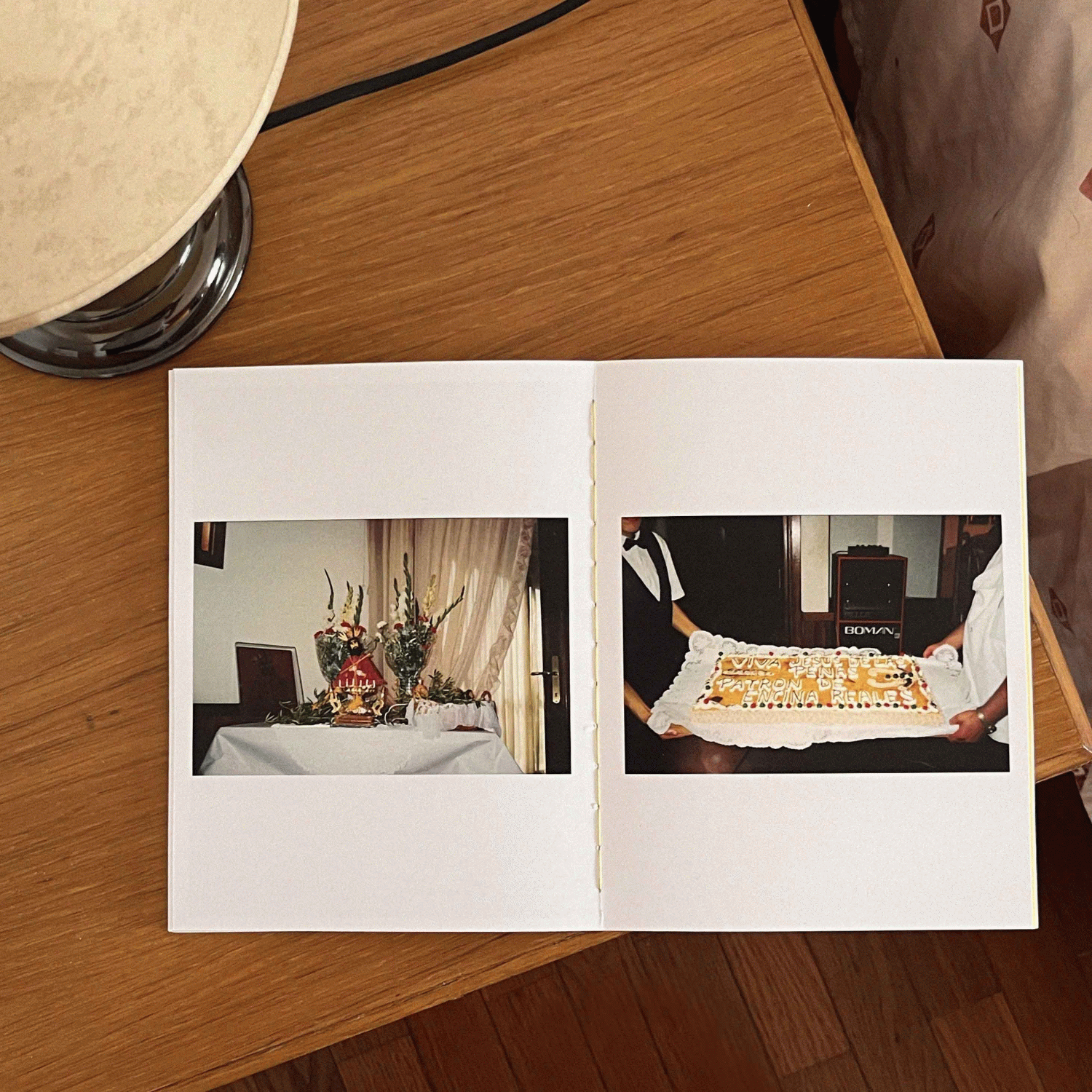
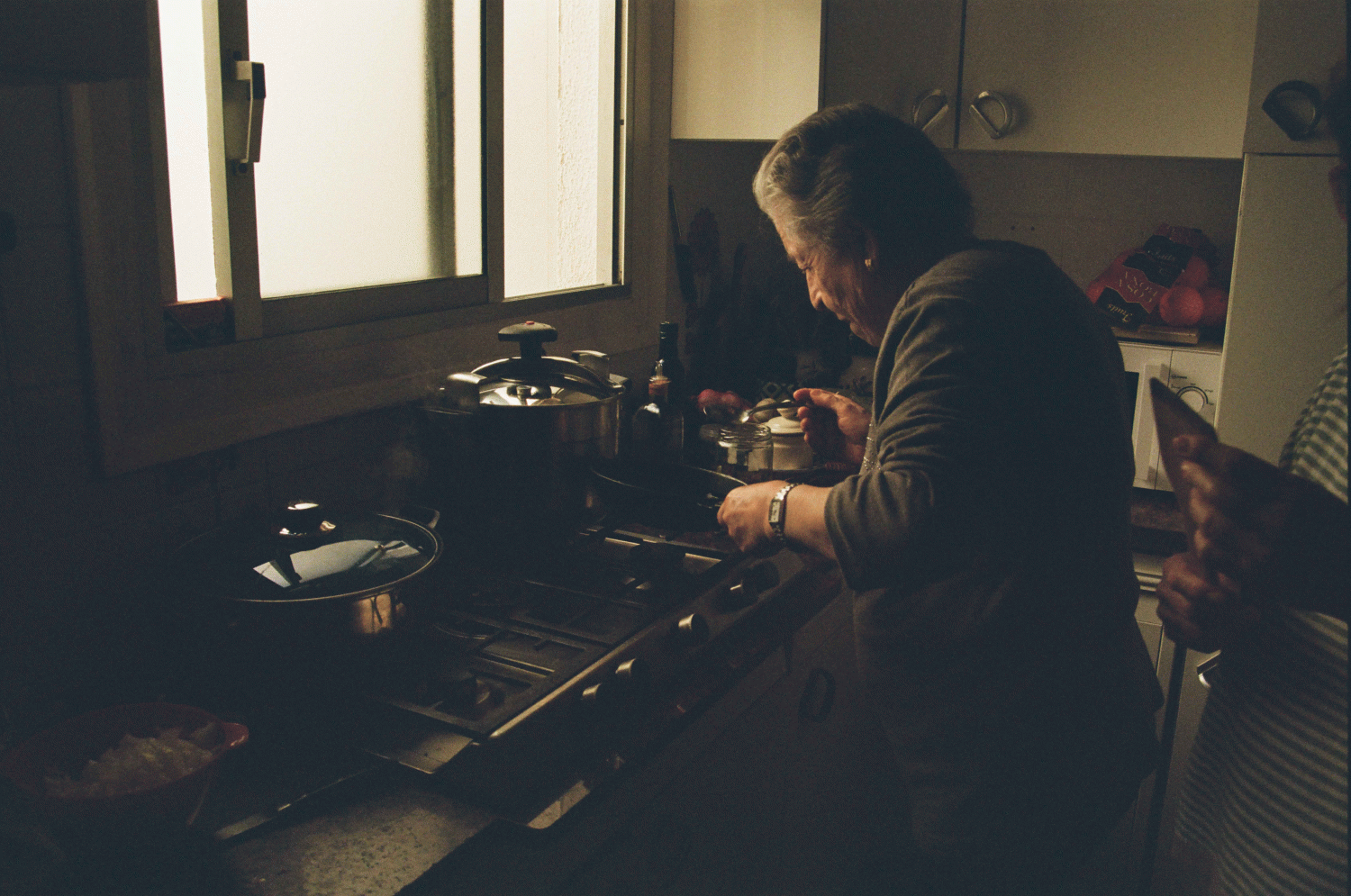
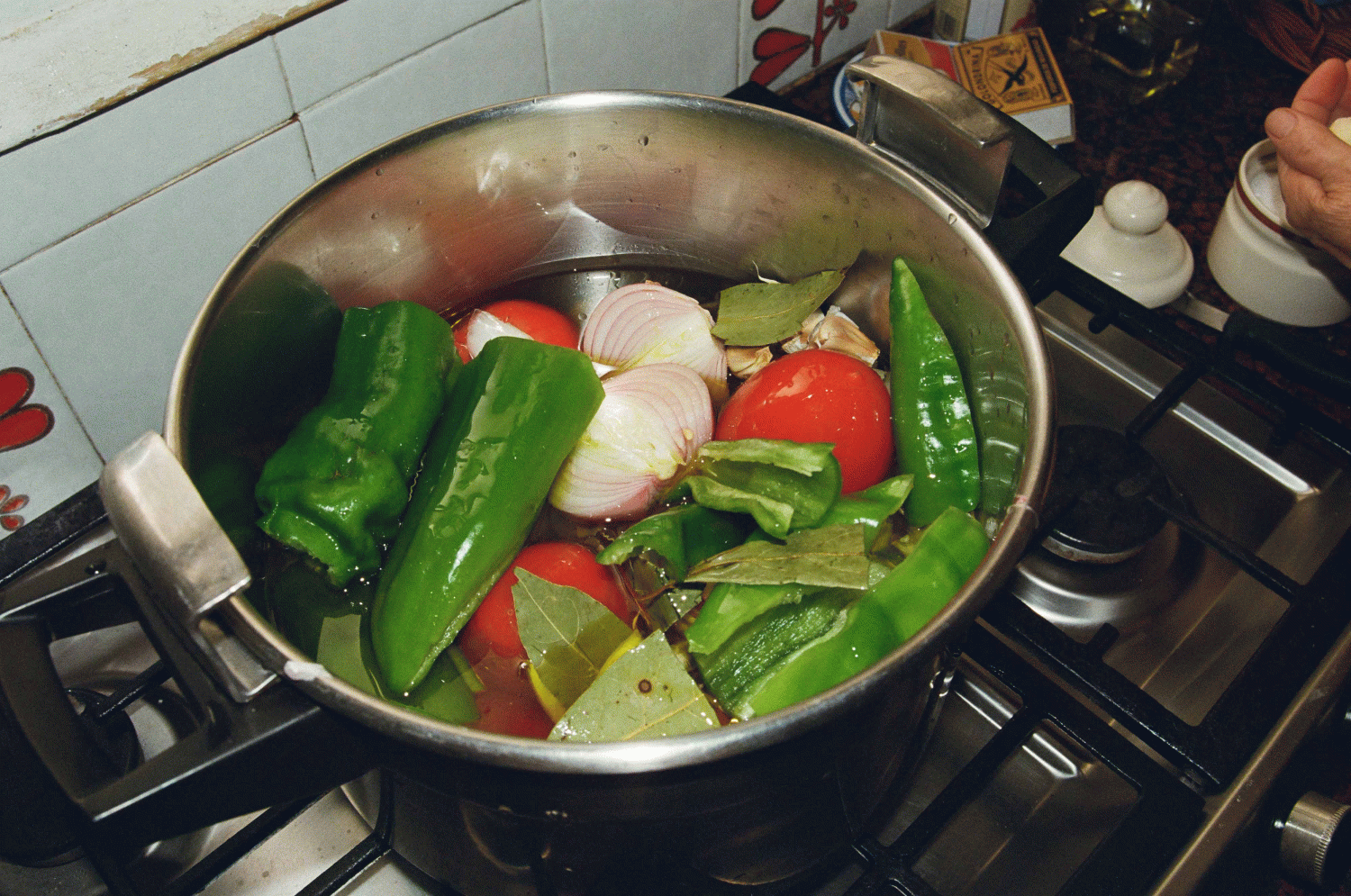
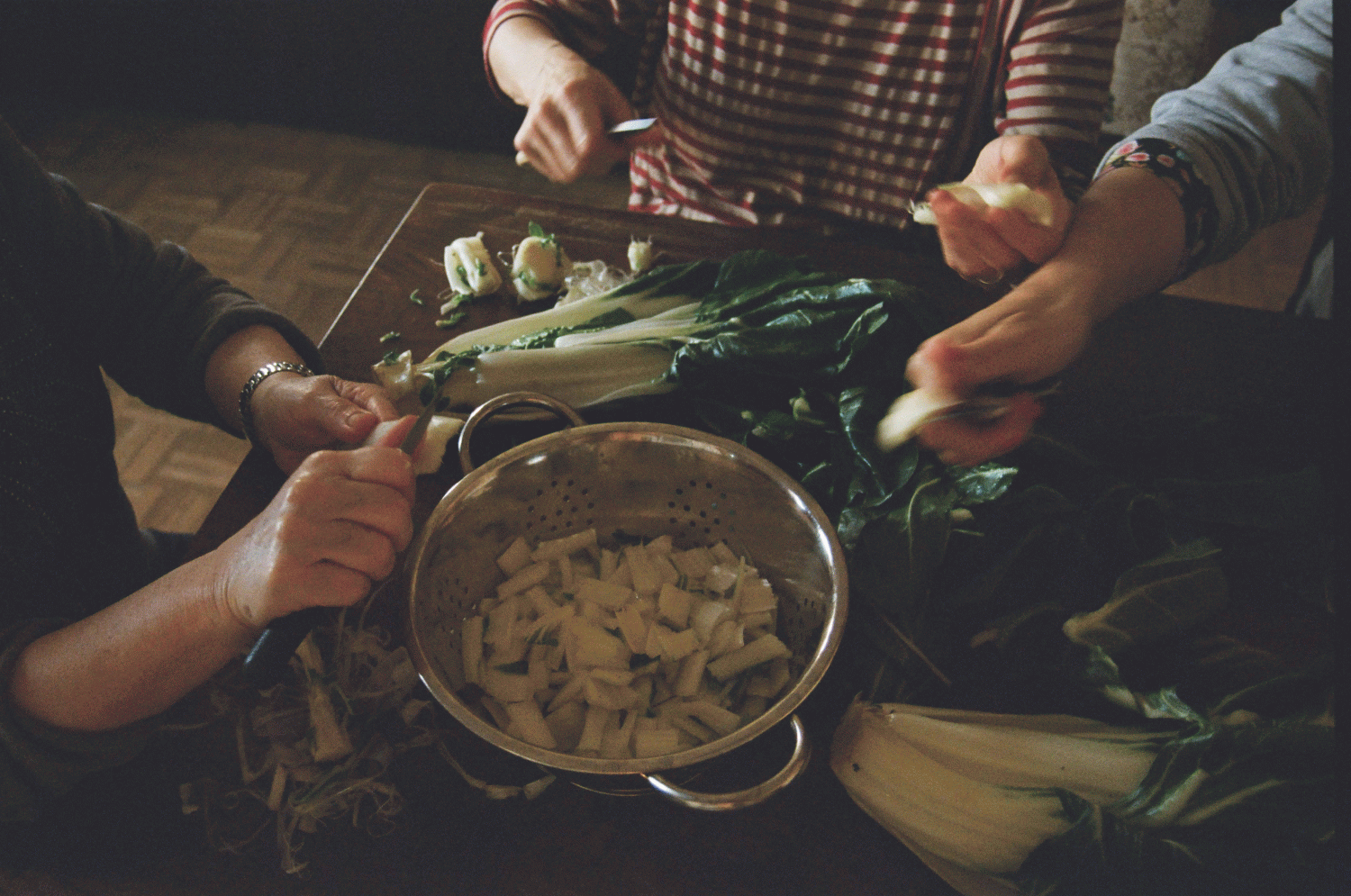
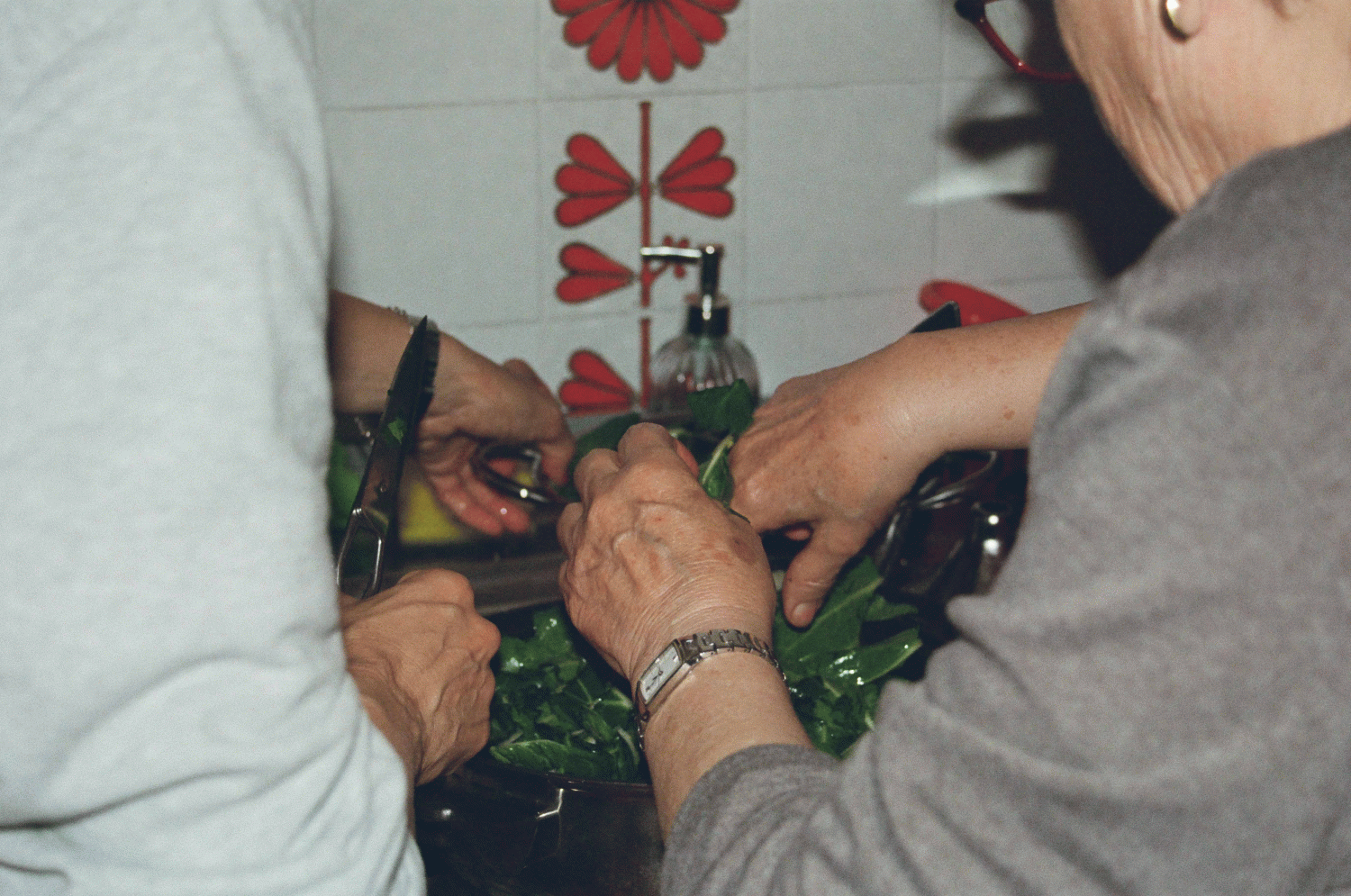
The research focuses on historical memory expressed through family food. It addresses themes such as ingredients reflecting a specific context, food repurposing, and the act of cooking in abundance. The challenges of coordinating meals with the family and validating one’s role by ensuring everyone is satisfied. Passing culinary knowledge to daughters and granddaughters, and above all, transmitting family memory through home-cooked dishes.
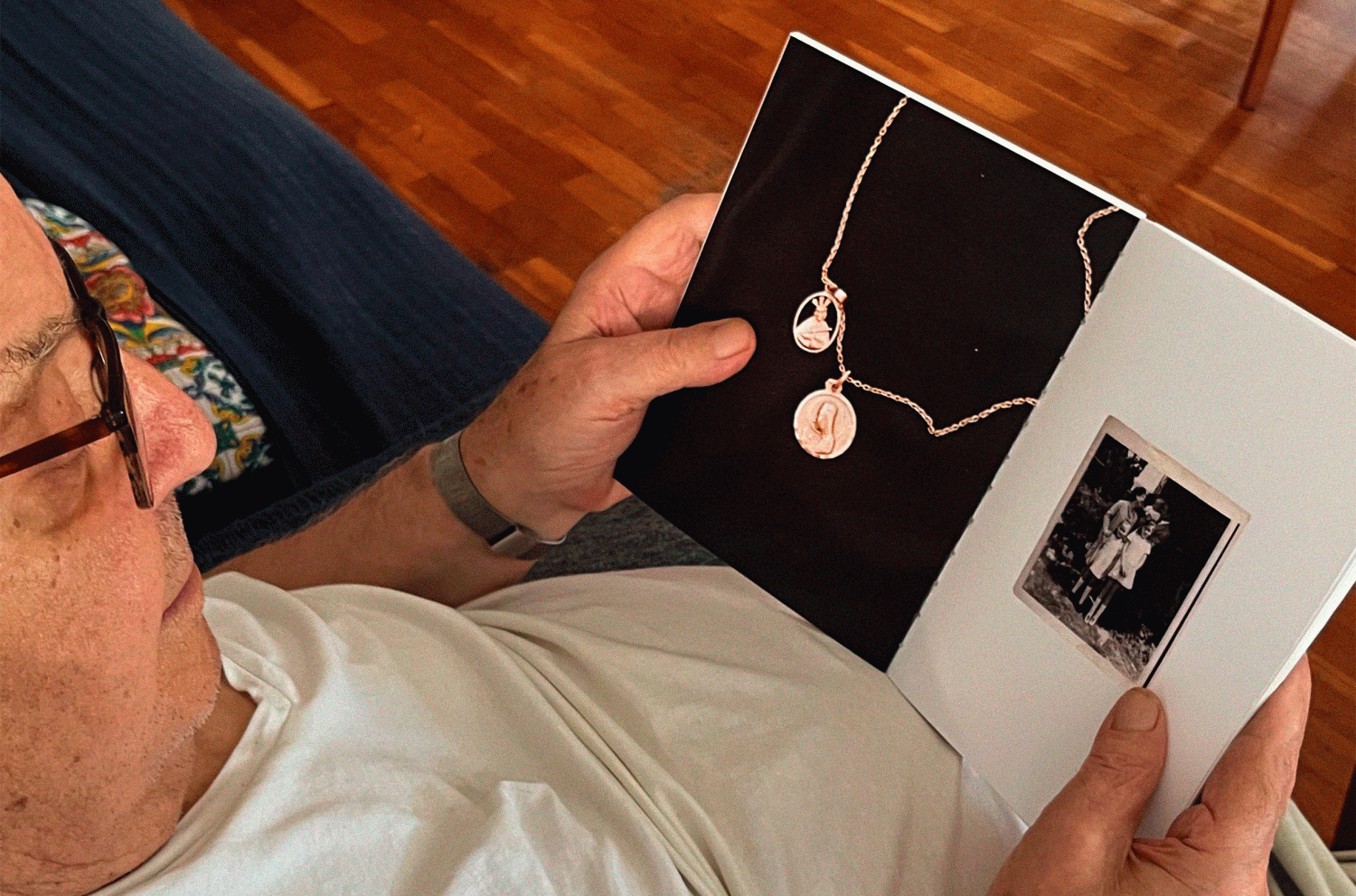 Esaboría
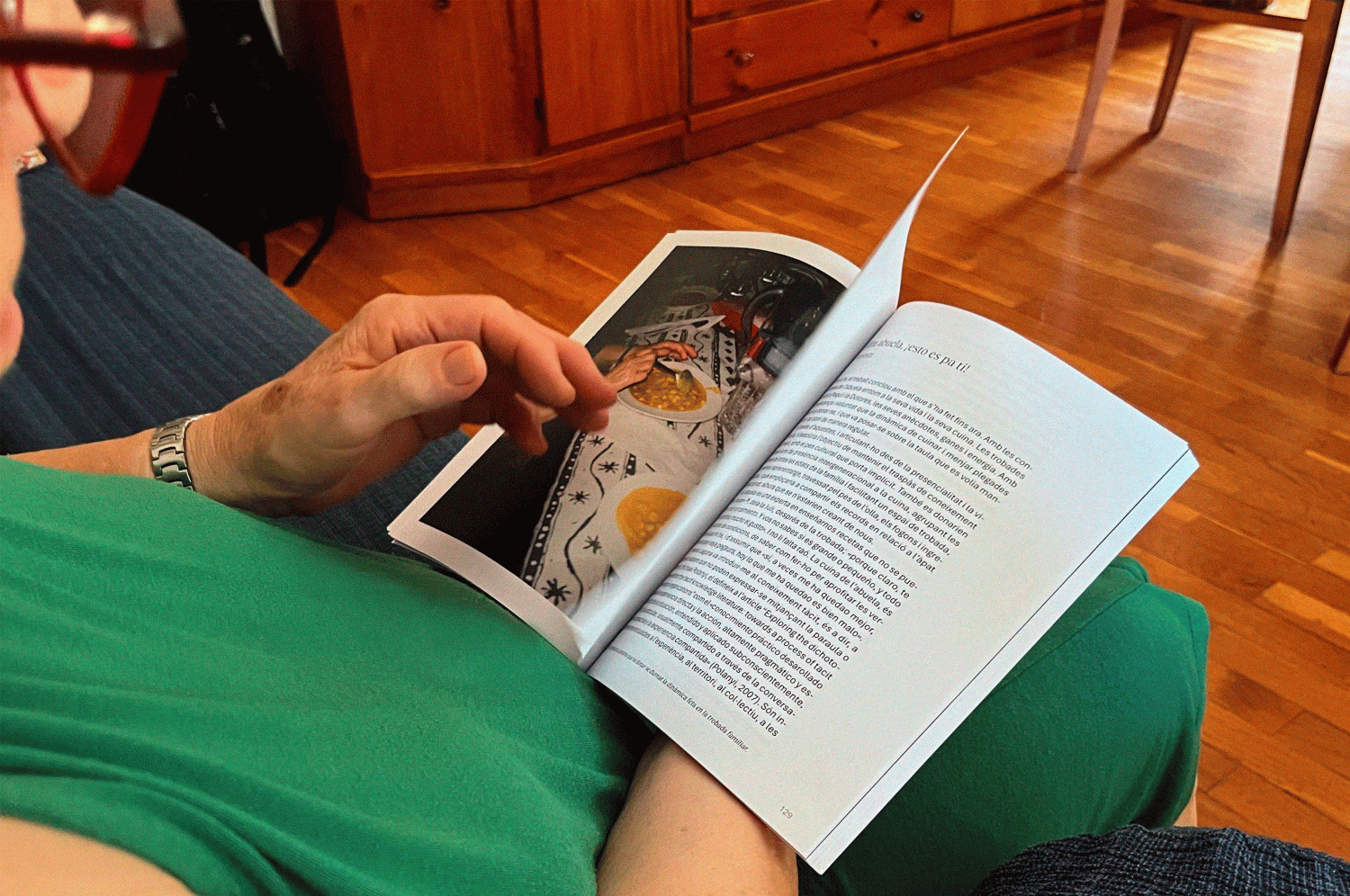 Esaboría
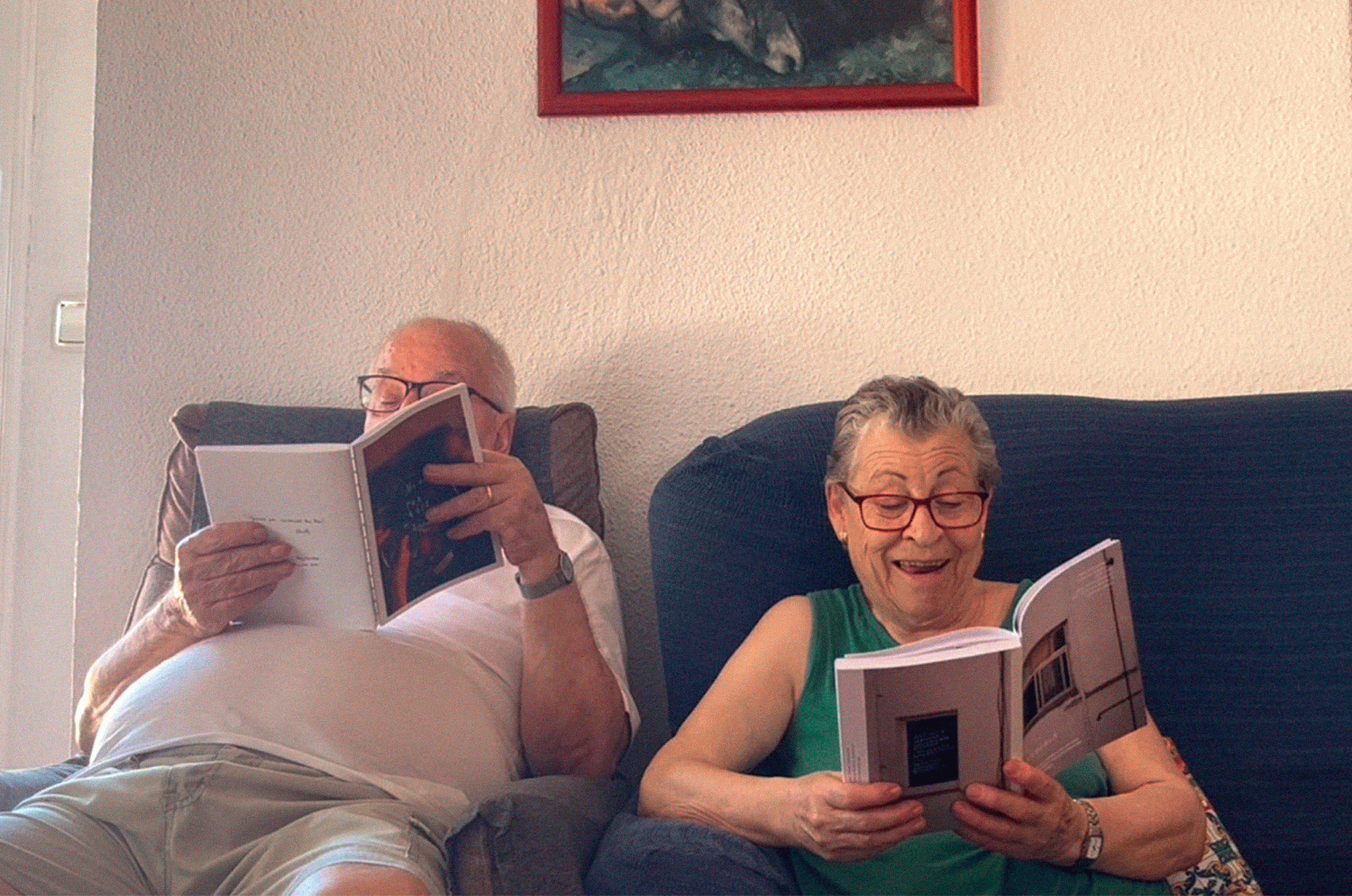 Esaboría
 Esaboría
 Esaboría
 Esaboría
 Esaboría
 Esaboría
 Esaboría
 Esaboría
 Esaboría
 Esaboría