



In June 2026, MURAD took part in the Blended Intensive Programme (BIP) City Without Borders, held in Porto, Portugal, and funded by the European Union's Erasmus+ Programme.
Students and academics from across Europe recently gathered in Porto for the international learning experience hosted by Universidade Lusófona. The programme brought together participants from Chalmers University (Sweden), the University of Cagliari (Italy), the Technical University of Iași (Romania), ARCHIP Prague (Czech Republic), the Universitat Politècnica de València (Spain), and EINA Centre Universitari de Disseny i Art de Barcelona (Spain).
The programme explored the concept of the “city without borders” not merely as a physical condition, but as a framework for rethinking how communities are understood, designed and experienced in an increasingly interconnected world. Through lectures, workshops, site visits and collaborative projects, participants examined how contemporary urban environments transcend traditional geographical, cultural, legal and economic boundaries. Discussions highlighted the importance of adopting open, inclusive and adaptive approaches to urban design while remaining attentive to the spatial realities shaped by globalisation, migration and technological connectivity.
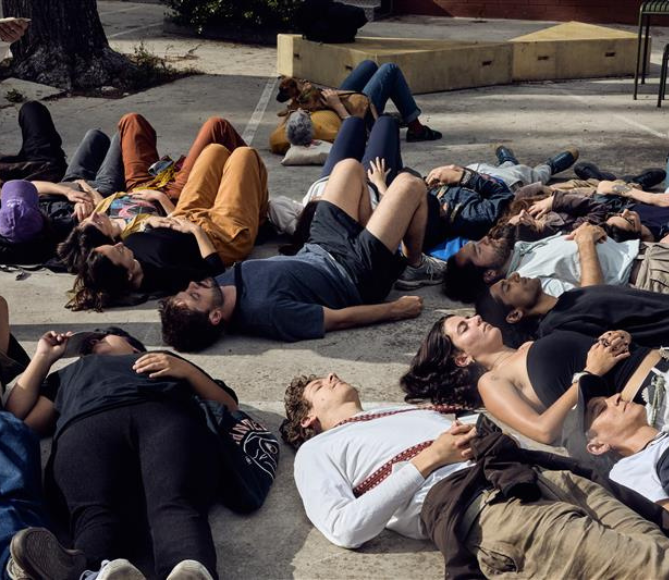
A key outcome of the programme was the production of a short film inspired by the study area in Porto. Conceived as a collection of five chapters, the film was developed by the international student teams and reflects diverse perspectives on the theme of the “city without borders”. The project encourages critical reflection on how contemporary cities operate as fluid, interconnected systems rather than fixed entities defined by rigid boundaries.
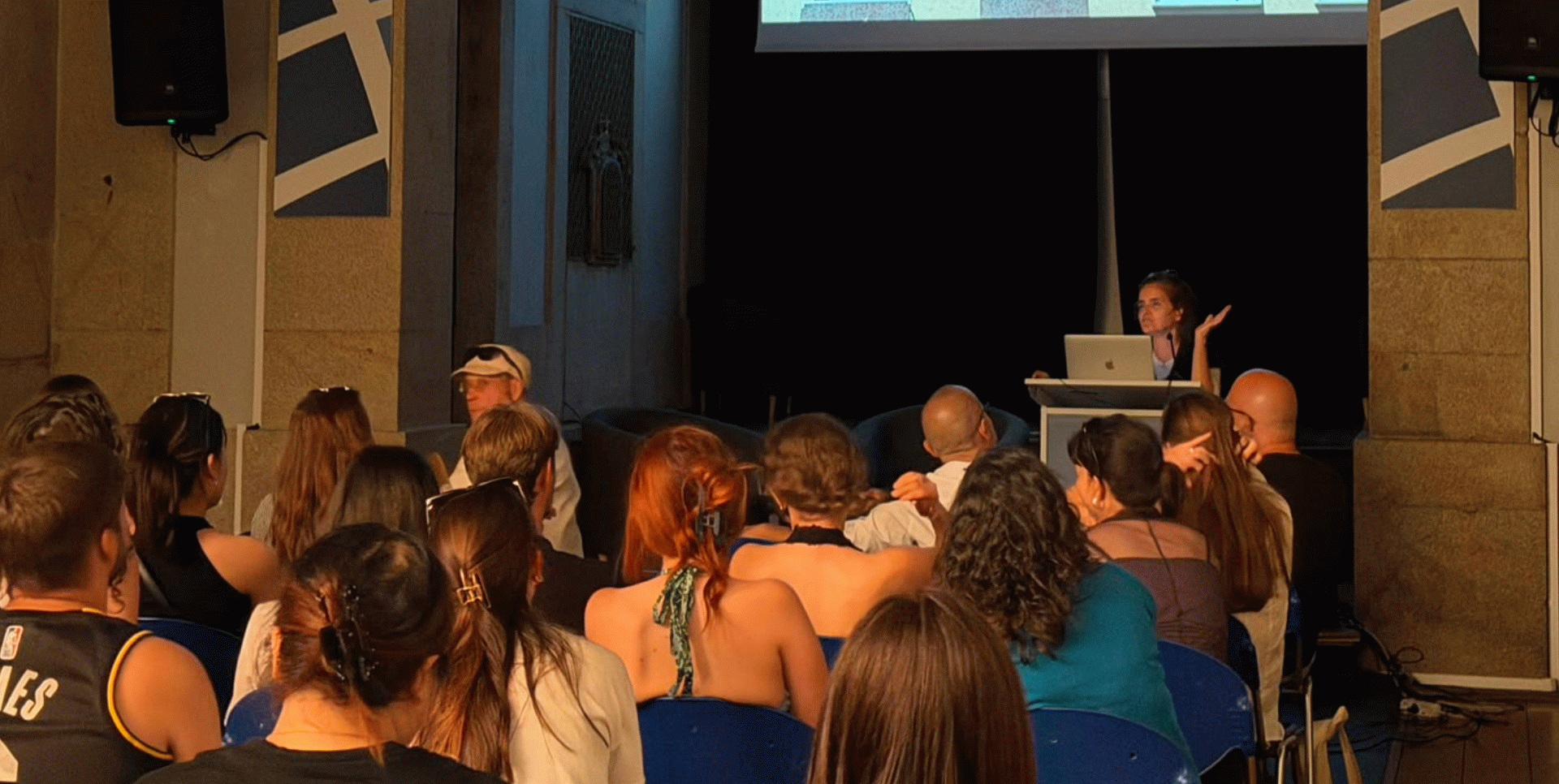
Among the academic contributions, Professor Rafael de Balanzo (EINA), together with Yvette Vašourková (ARCHIP), presented the Collserola Living Lab and shared practical case studies on the EINA Water Public Sphere, based on the SIT-PLU Pluriverse research project, as well as the Prague Viaduct public space. Their session demonstrated how resilient design thinking and interventions can transform existing infrastructures into socially and environmentally responsive public spaces.
Students from EINA’s MURAD Master's programme actively participated in the discussions and collaborative work. Daniela Barriga, Jingyu Xi and Xu Ziyu contributed their expertise as designers to the development of the project and the audiovisual production. Their work forms part of a broader international collaboration and reflects the interdisciplinary spirit that characterised the programme.