


Raúl Oliva, Salvador Huertas and David Steegmann, lecturers at Eina and members of the centre's Health and Wellbeing Research Group, are taking part in the Restaura project, which aims to improve cultural, health and wellbeing ecosystems in urban and peri-urban areas near petrochemical clusters in Tarragona.
Restaura is a multidisciplinary project led by different research groups and departments of the Universitat Rovira i Virgili (URV), with Dr. Pau de Solà-Morales, former Eina director; which also has the support of other institutions such as the Universitat Oberta de Catalunya (UOC), with Dr. Elena Bartomeu, former Eina professor; and the Ministry of Science, Innovation and Universities.
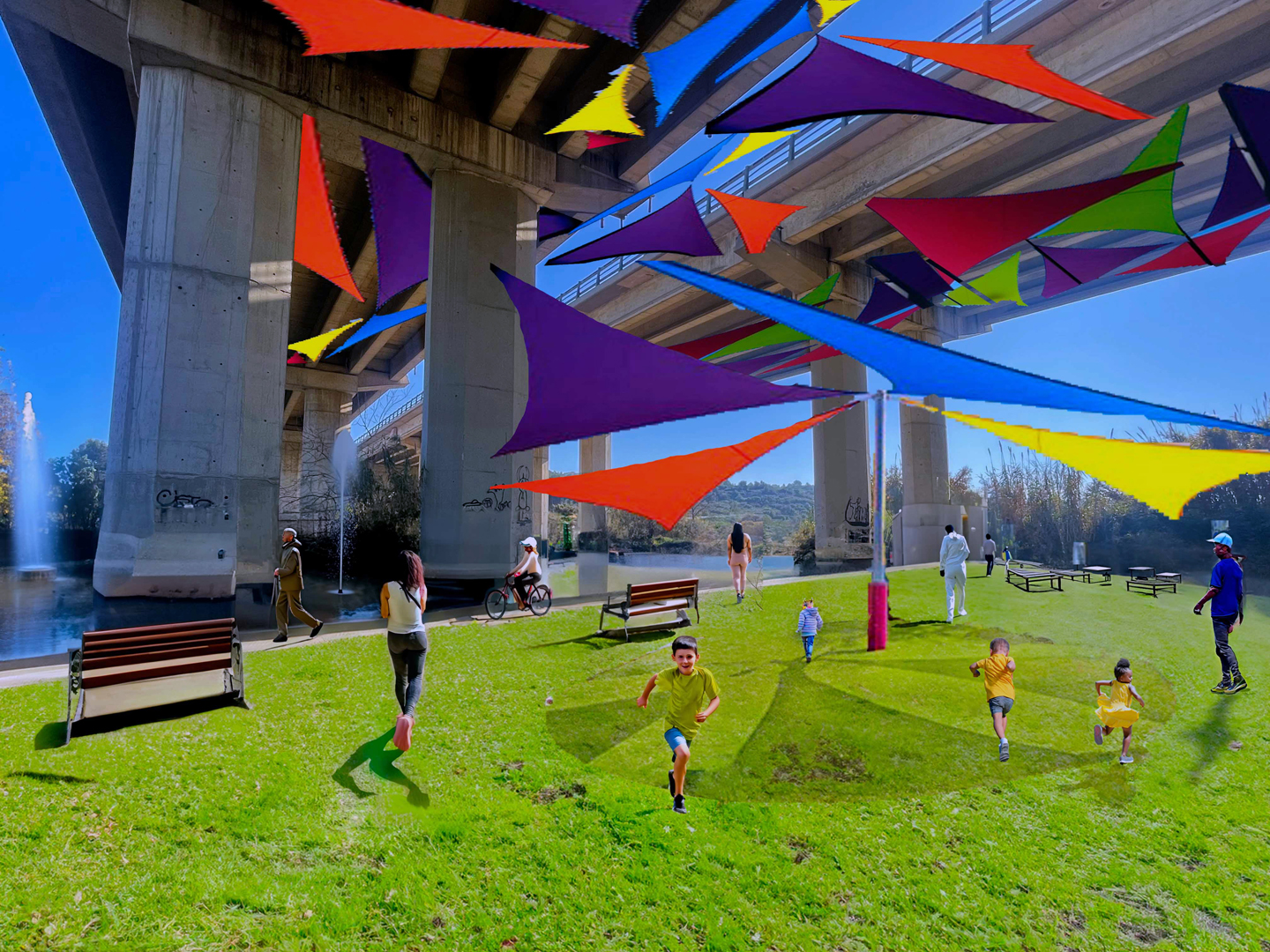
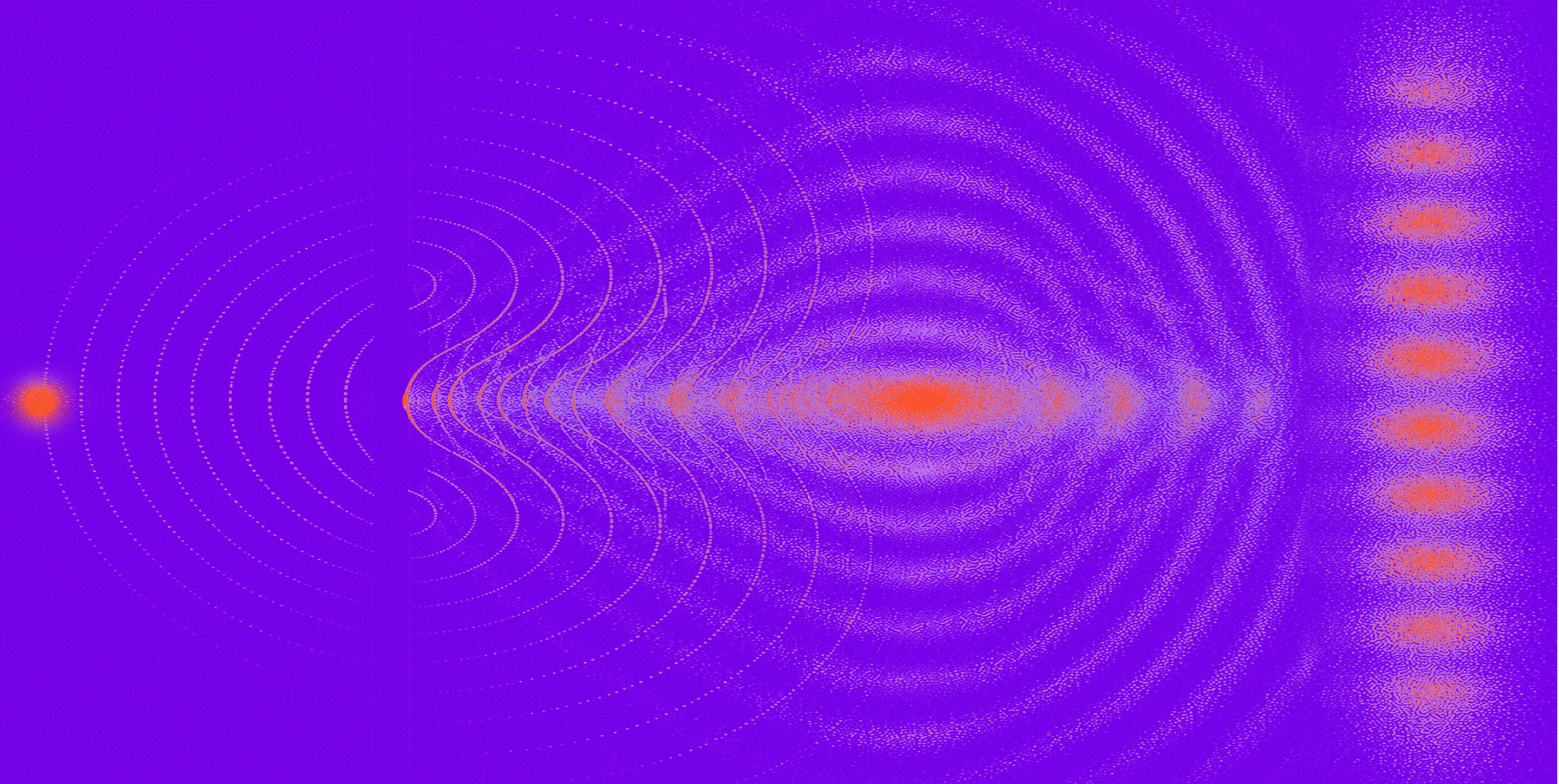
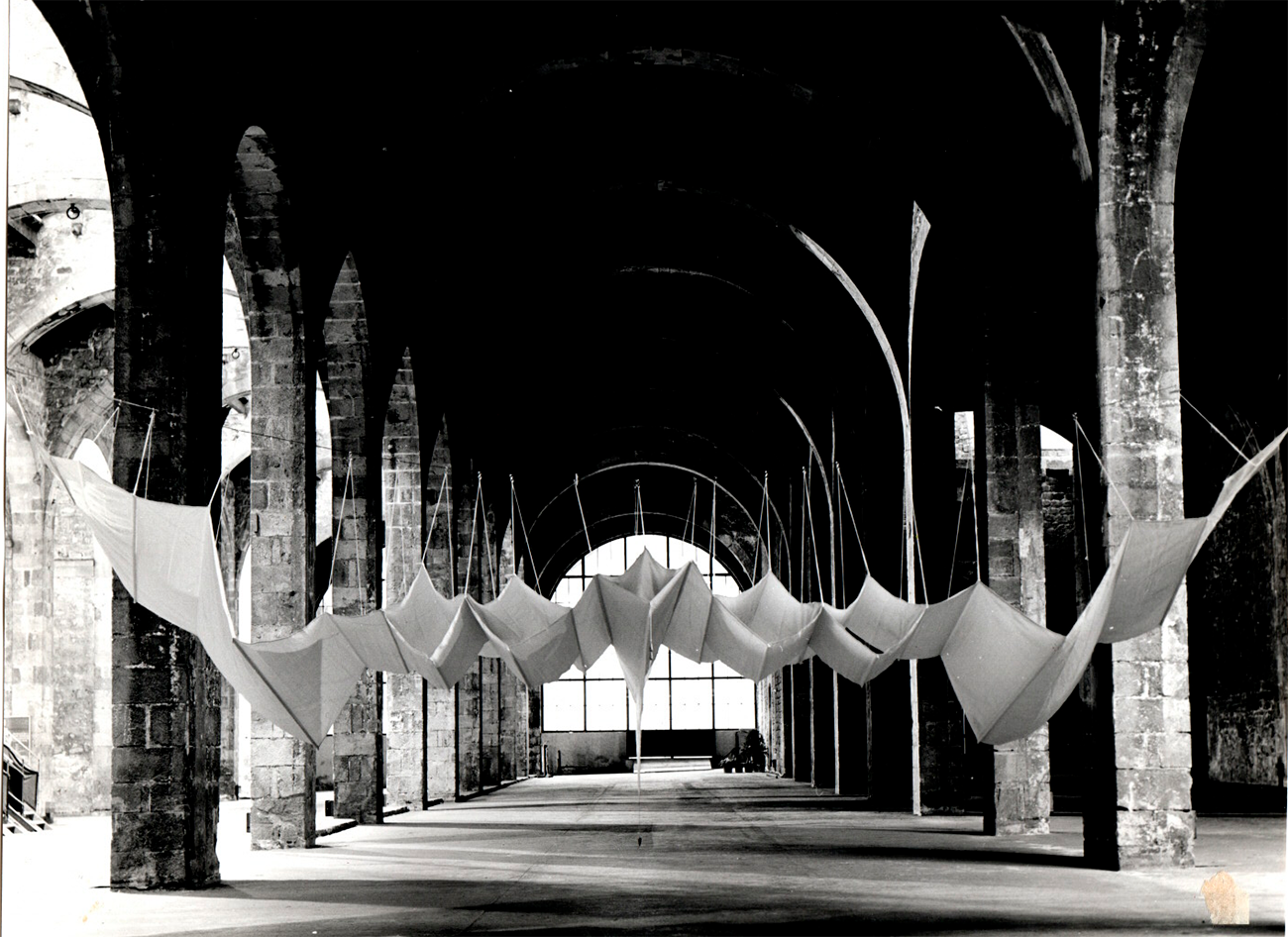
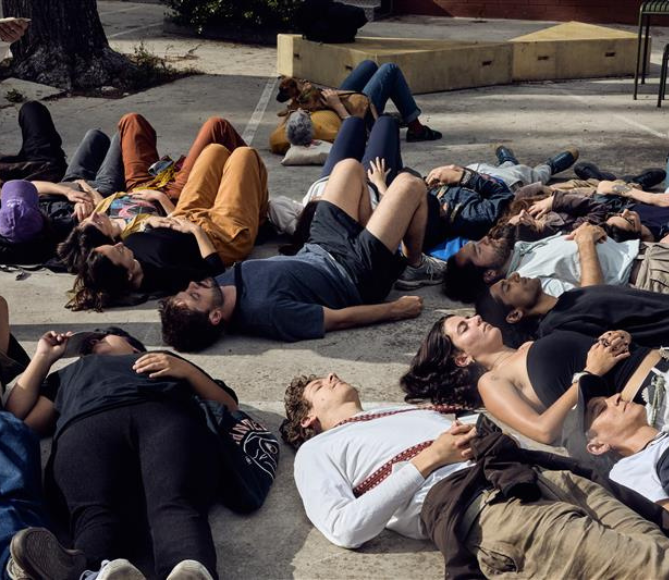
The project has recently presented the Restaura Scenarios campaign, making use of design fiction and activating health imaginaries about what the Francolí area could be like as it passes through Tarragona. Les veus del Francolí, Zona Verge and Les obres del Diable are three transmedia stories that are being disseminated through X and Instagram these days.
Following the general objective of improving the health and well-being of the Peri-urban Area of Tarragona (Project Restaura, State Research Plan PID2020-114363GB-I00), the architecture and design team proposes the design of an innovative intervention in a selection of locations, with the specific objective of improving accessibility and facilitating their use, so as to increase the health assets of the population.
After observing the field and taking in consideration the conclusions of the previous research, the spaces for intervention in the Francolí-Pont del Diable area are identified, and the following work themes are also identified:
- The lack of meeting points to foster social fabric
- The predominance of the sound of transport infrastructures.
- The lack of refreshment and rest points (water, shade and thermal comfort).
- The difficulty of locating oneself in the network of paths and crossroads with road traffic
- The landscape full of seams between nature and industrial equipment.
Some of the insights observed are unfeasible in terms of industrial infrastructures, transport and available economic resources, so the proposed strategy is to approach them from a fictional point of view.
The project has taken the form of a design fiction campaign, which makes use of local elements to generate verisimilitude, and which includes three fictional stories, articulated with images created with artificial intelligence, which are disseminated through social networks. Dystopian resources are used to enhance audience engagement. The purpose of presenting preferable design scenarios is to activate the possibility of a paradigm shift that prioritises people's health ahead of industrial and transport infrastructures.
Using a questionnaire, the team assesses the change potential of the generated images, the readiness of the population to participate in that change, and the health assets related to the preferred scenarios. Also, the dystopian bias produced by the use of Artificial Intelligences in the images.
The campaign has been disseminated through X and Instagram, with the ultimate goal of generating health assets among the populatio