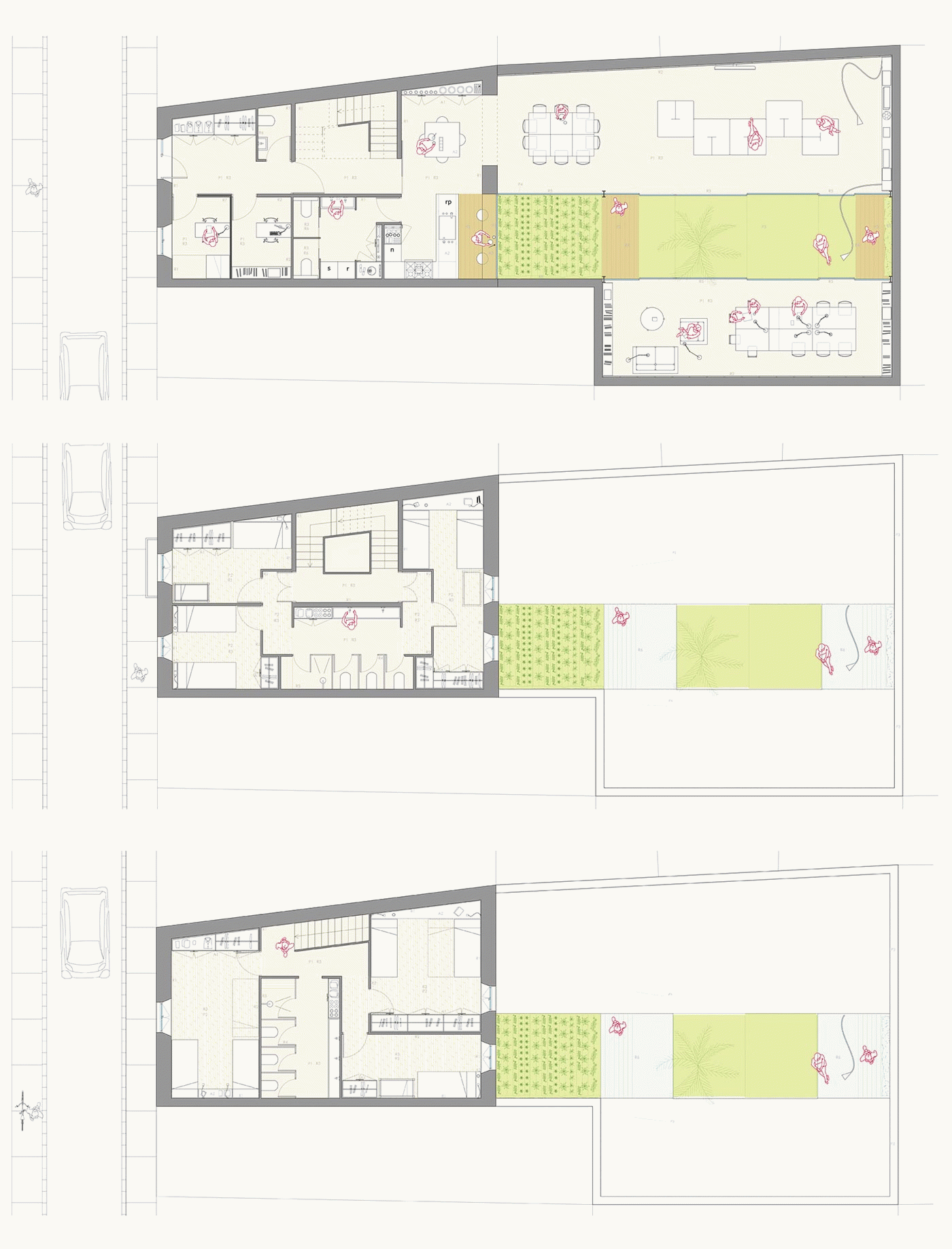




Shelters are a resource aimed at temporarily housing women who have been the victims of domestic violence and who do not have sufficient independence to start a new life far from their attacker. They are anonymous facilities that are in buildings, flats or houses and that adapt in every case to the architecture of the place.
In this project, I am interested in studying and evaluating in what way design can become a tool capable of providing improvements to a social problem. The proposal consists of achieving flexible spaces without losing the inherent characteristics of each use; multi-purpose spaces where a number of activities can be carried out at the same time and that can be transformed to allow other services to be carried out. Consequently, my proposal is not so much a new programme of organisation of these centres but a study into coexistence and its limits.
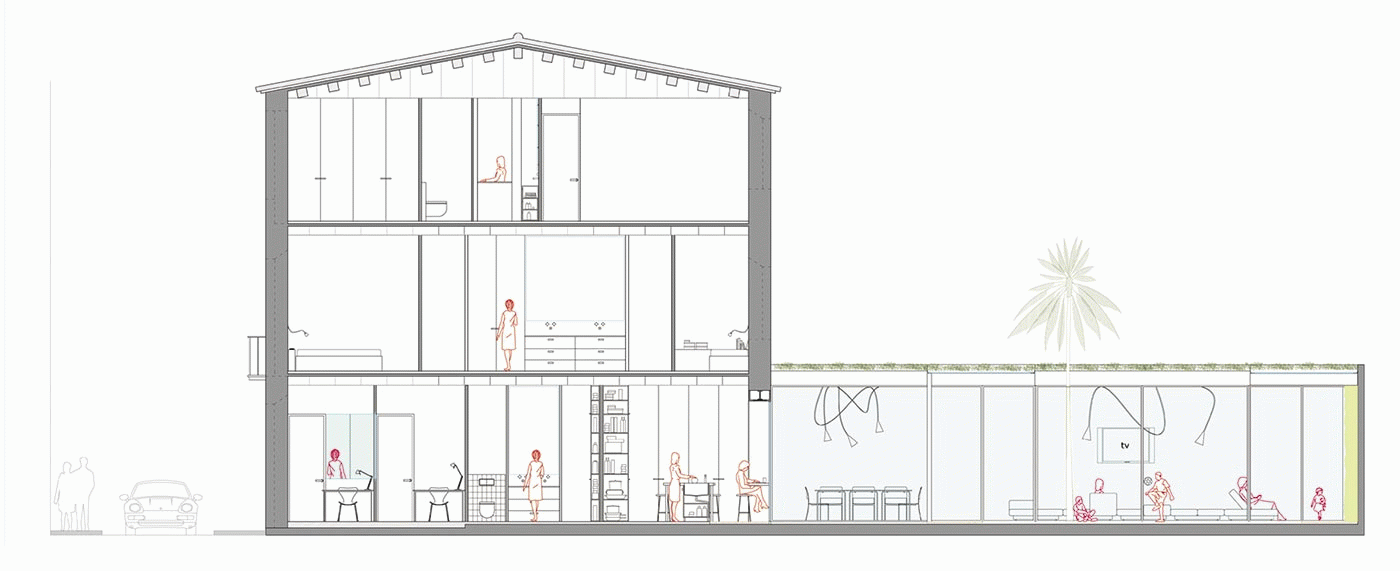
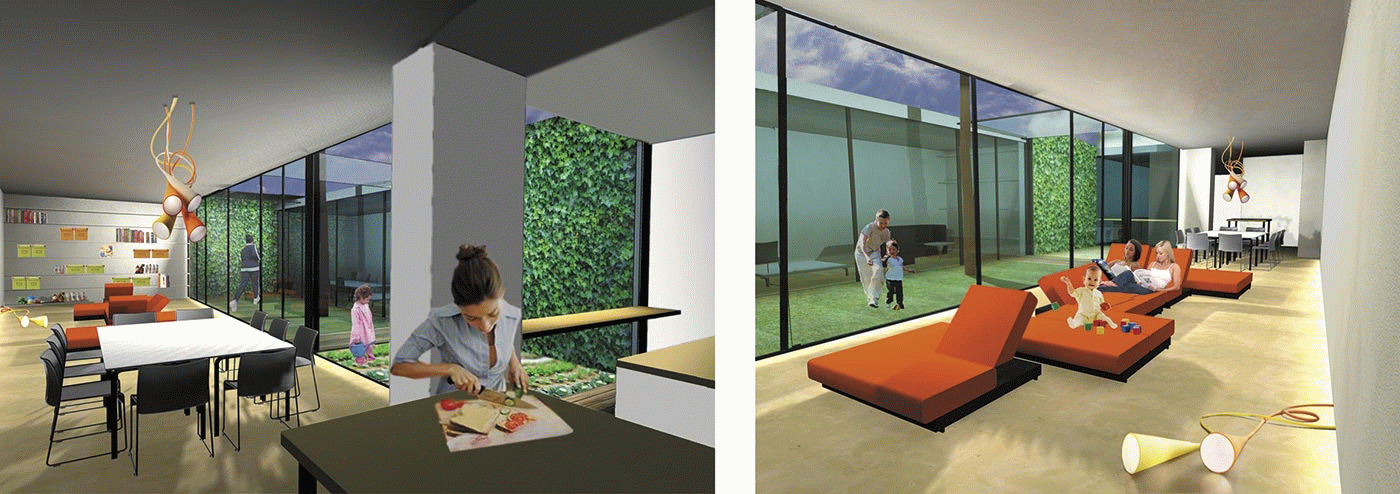
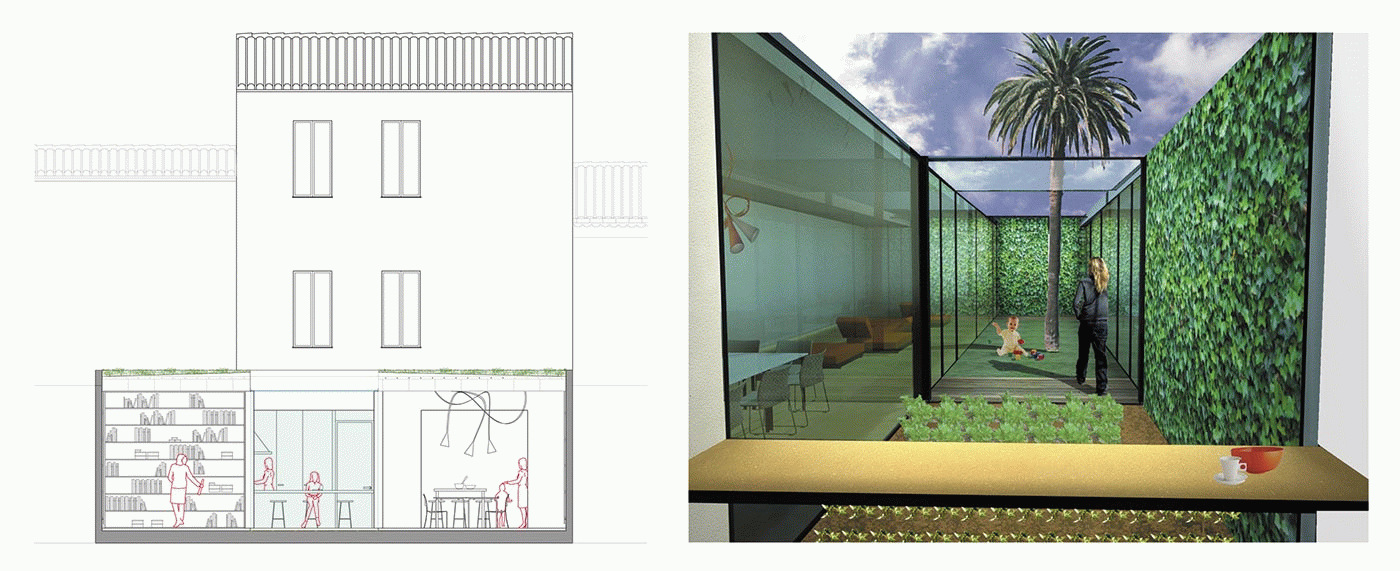
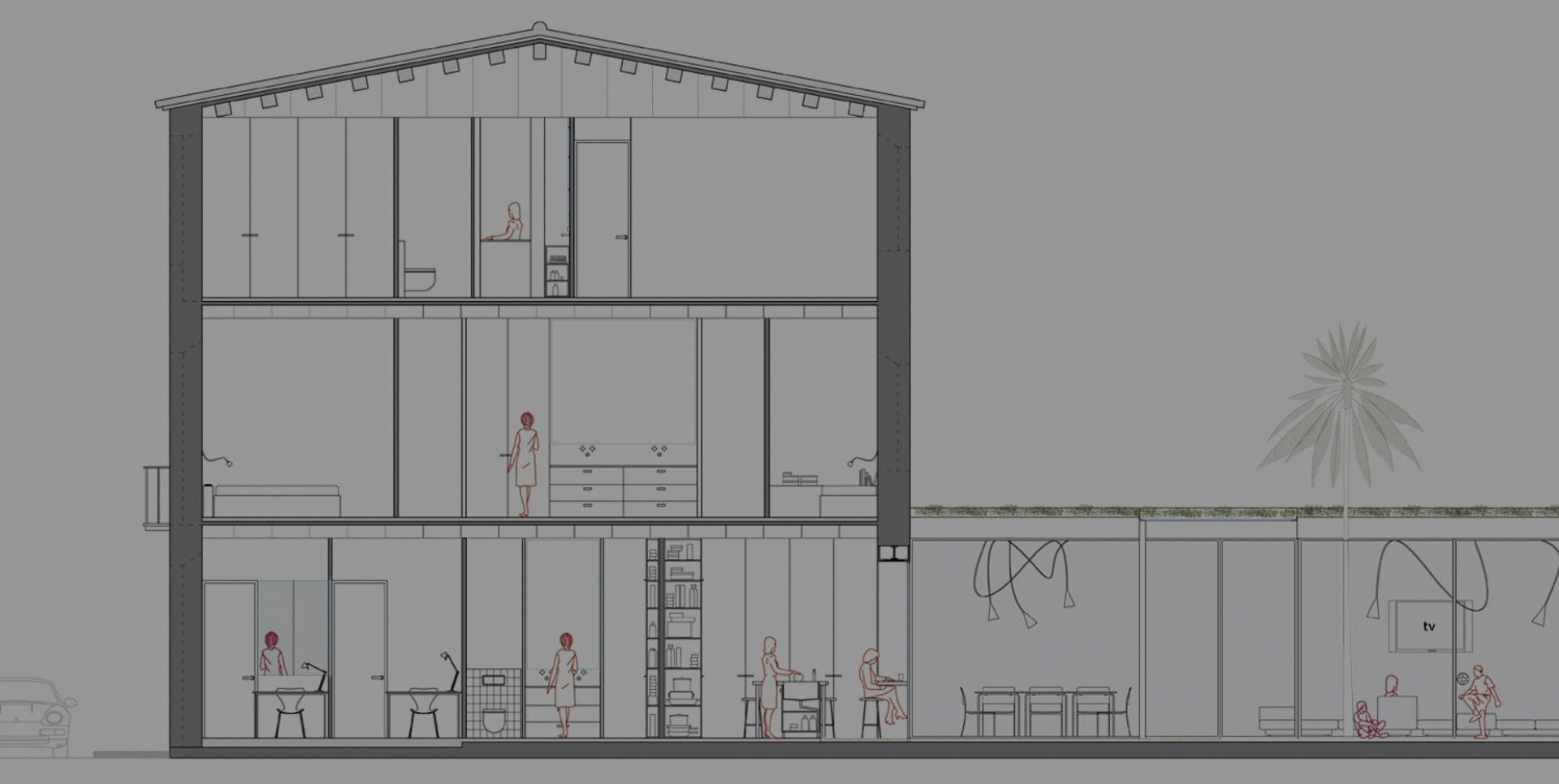
Initially, the top two floors are used for different models of bedroom that allow a better adaptation to the situation of each woman and her children. The bedrooms are used only for sleeping and keeping belongings. On the ground floor are the communal areas, which basically consist of two spaces clearly differentiated by the characteristics of the activities that take place there: noise activities (kitchen, dining room, living room, TV and games room for the children) and silence activities (studying, PC, reading and library). The garden is not used just as a light box for the annexes but also as a continuation of the spaces. It is a renovation that projects the house inwards – protected from the outside – and that at the same time aims to provide comfort.