

Bárbara Bayarri, graduate in Philosophy (UAB), in the Master in Cultural Management (UOC), the Master in Research in Art and Design (MURAD/ EINA) and PhD student of the Doctoral Programme in Philosophy at the UAB, publicly presents her thesis "The generation of knowledge in art museums. Epistemologías alter-situadas para la emergencia de otras prácticas y discursos a partir de Picasso" on Monday 19 February at 4pm in the Library of the Picasso Museum.
"The generation of knowledge in art museums" has been directed by the researchers and teachers Dr. Jèssica Jaques Pi and Dr. Androula Michael, and by the Director of the Picasso Museum, Dr. Emmanuel Guigon.
Their thesis is based on the premise that the museum is an institution that generates knowledge and the ways in which it does so are neither universal, nor objective, nor neutral. The common denominator throughout its history is that its devices and operations have been governed by Euro/Andro/anthropocentric logics. This epistemic paradigm is currently collapsing. Museums find themselves, to put it with Rosi Braidotti, between what they are ceasing to be and what they are in the process of becoming. The institution faces the challenge of a complex updating in which converge, on the one hand, the constant examination of its role in society in order to ensure its maintenance by responding to the social imperatives of the moment; and, on the other hand, the recognition of other forms of thought - not necessarily the same as those of the past - and the recognition of other ways of thinking - not necessarily the same as those of the present.
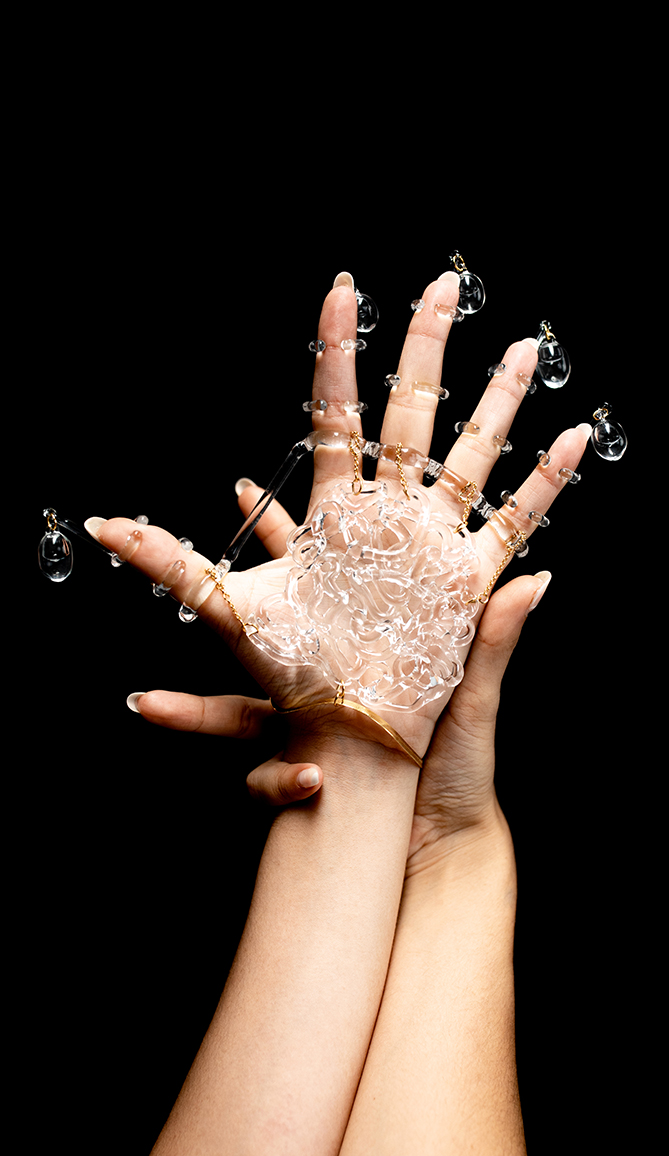
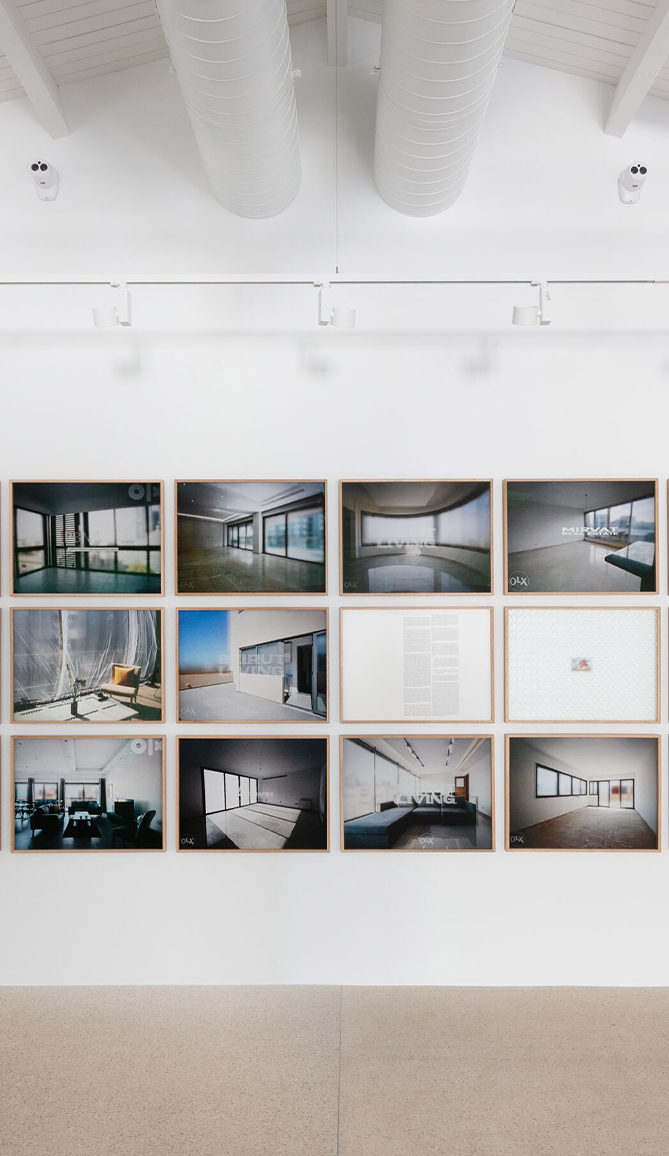
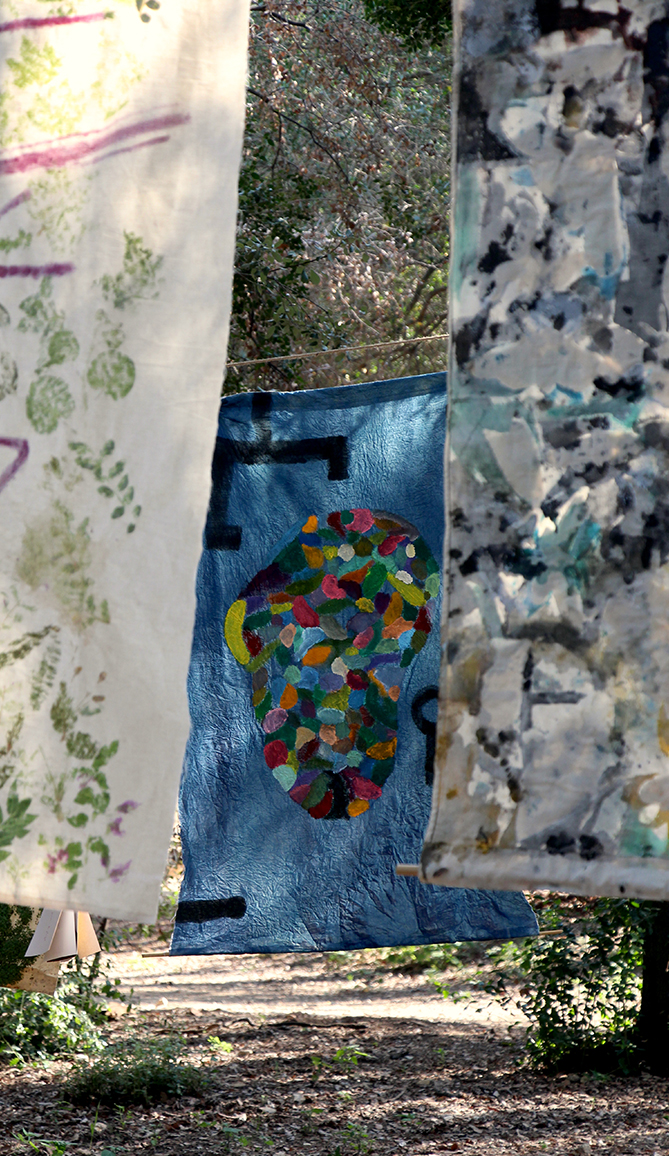
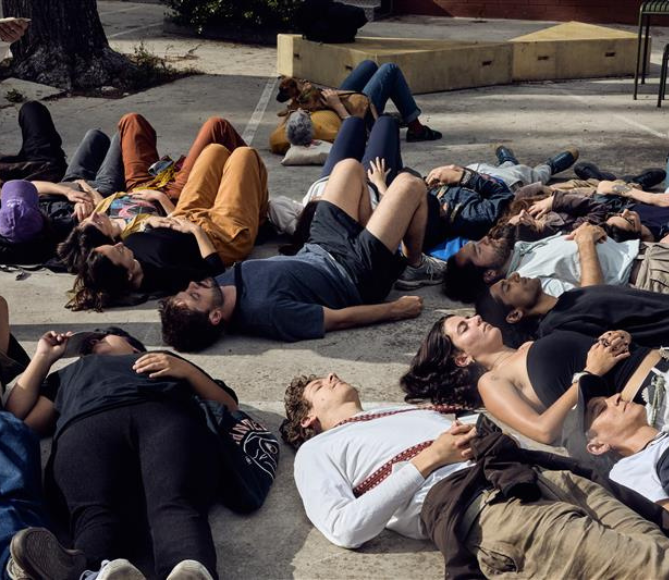
It is in this knot about the functions and potentialities of the museum that the figure of Picasso - as one of the representatives of the canonical artistic narrative - becomes a key piece in proposing a critical and creative revision of the institution. The research turns to museum genealogy to detect the systems of knowledge that have operated in the institution. From there, it shares different practical proposals. To do so, it turns to the critical approaches of radical epistemologies and post-disciplinary discourses, which question the Eurocentric humanistic universalism characteristic of the modern museum and the anthropocentrism implicit in its devices. This work of critical revision forms the base material for the zoe/geo/techno-oriented fugue-proposals, created specifically for this research. These are a series of situated, collaborative and non-binary proposals that start from Picasso to try out other practices and discourses that, assuming the burden of the cultural inheritance of the modern museum, propose other ways of knowing.
Photo: Axel Casas