


Speculation and erroneous urban planning have left in their wake a scar of diseased buildings and bedroom suburbs, while the crisis and its foreclosures empty out 20% of the nation’s housing units, leaving thousands of families on the street. In recent years, as a consequence, popular movements have grown, questioning how states work and proposing new developmental paths based on self-management, collectivization and cooperation.
This project proposes an application of these developmental paths to domestic space. Through a project in interior design that researches and modifies the uses of a residential building, the idea is to renew the social and cooperative spirit of a community.
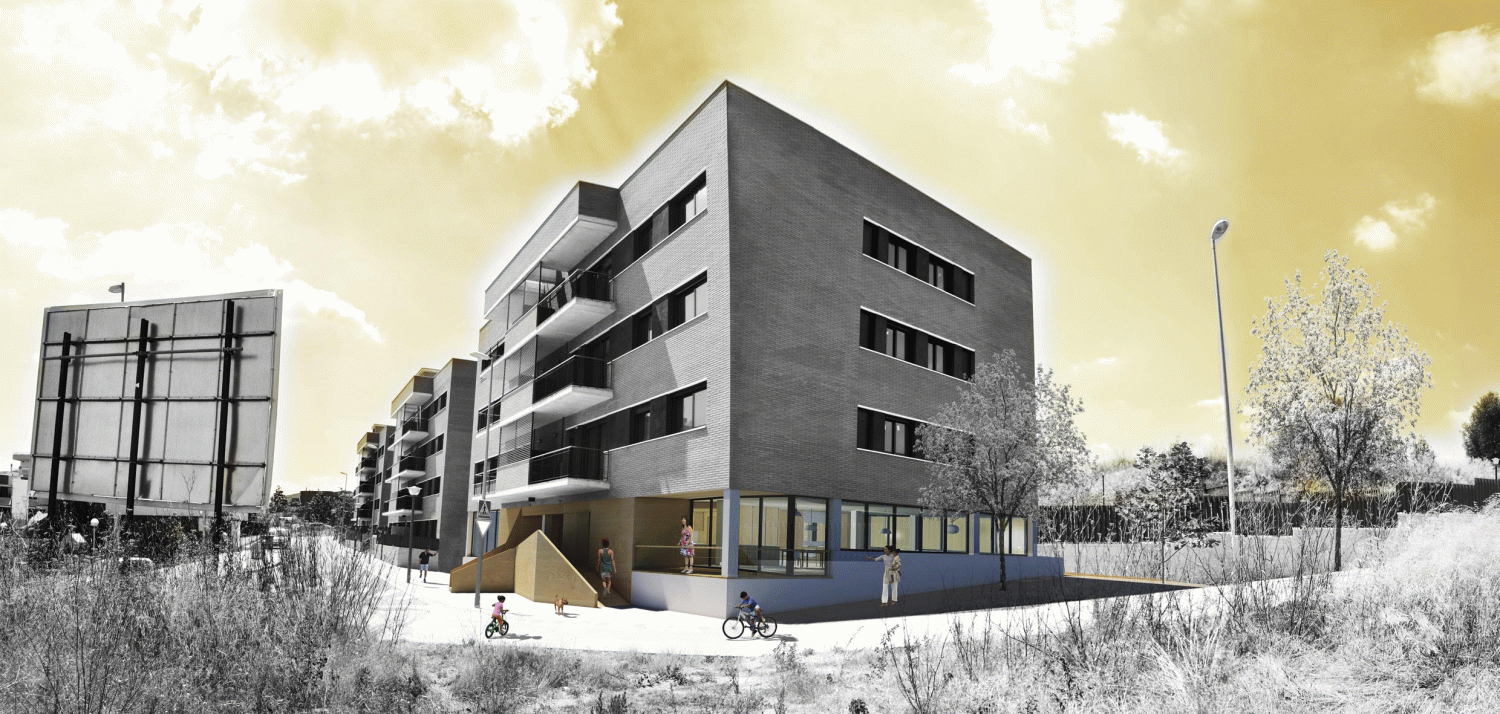
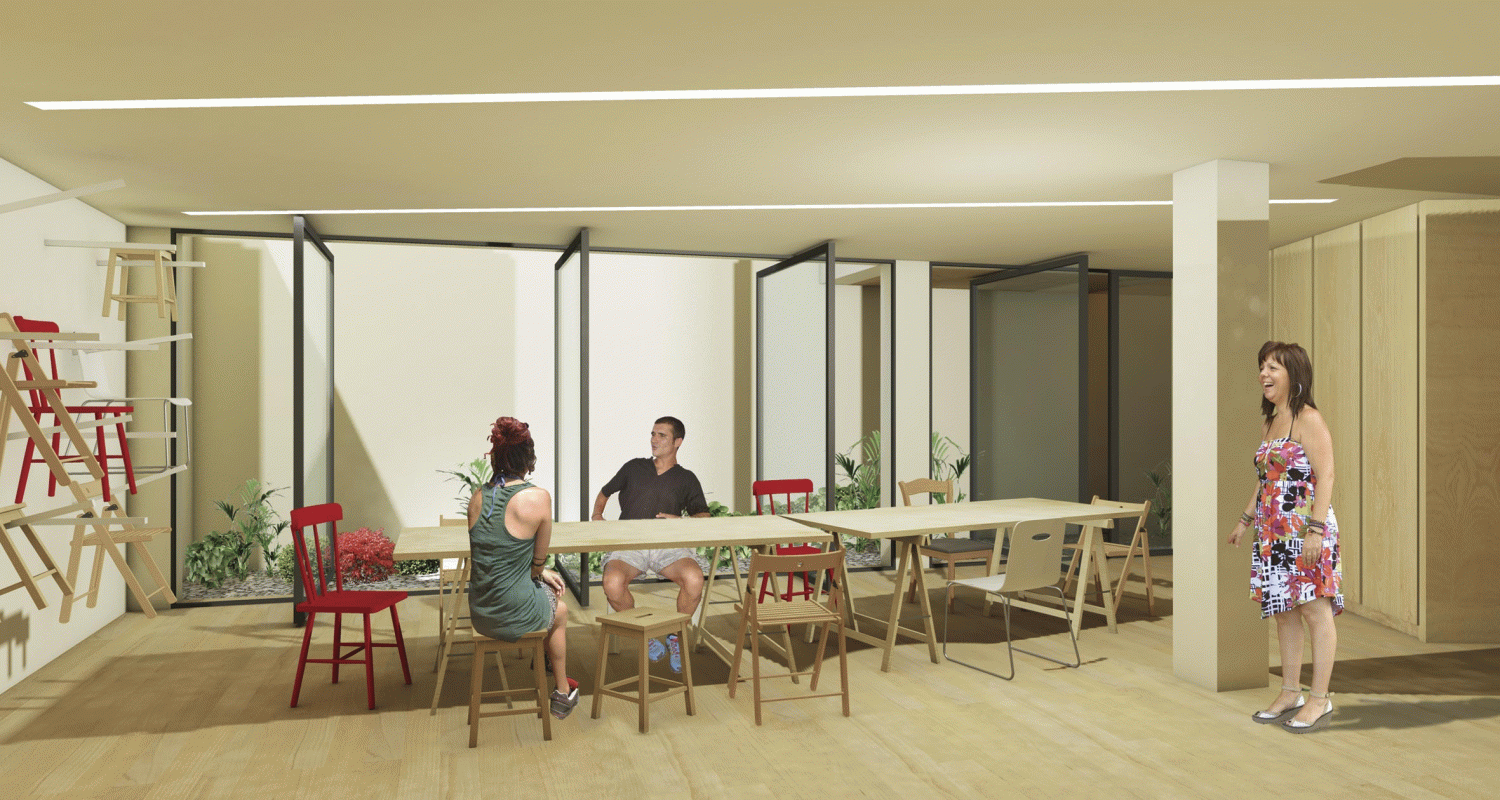
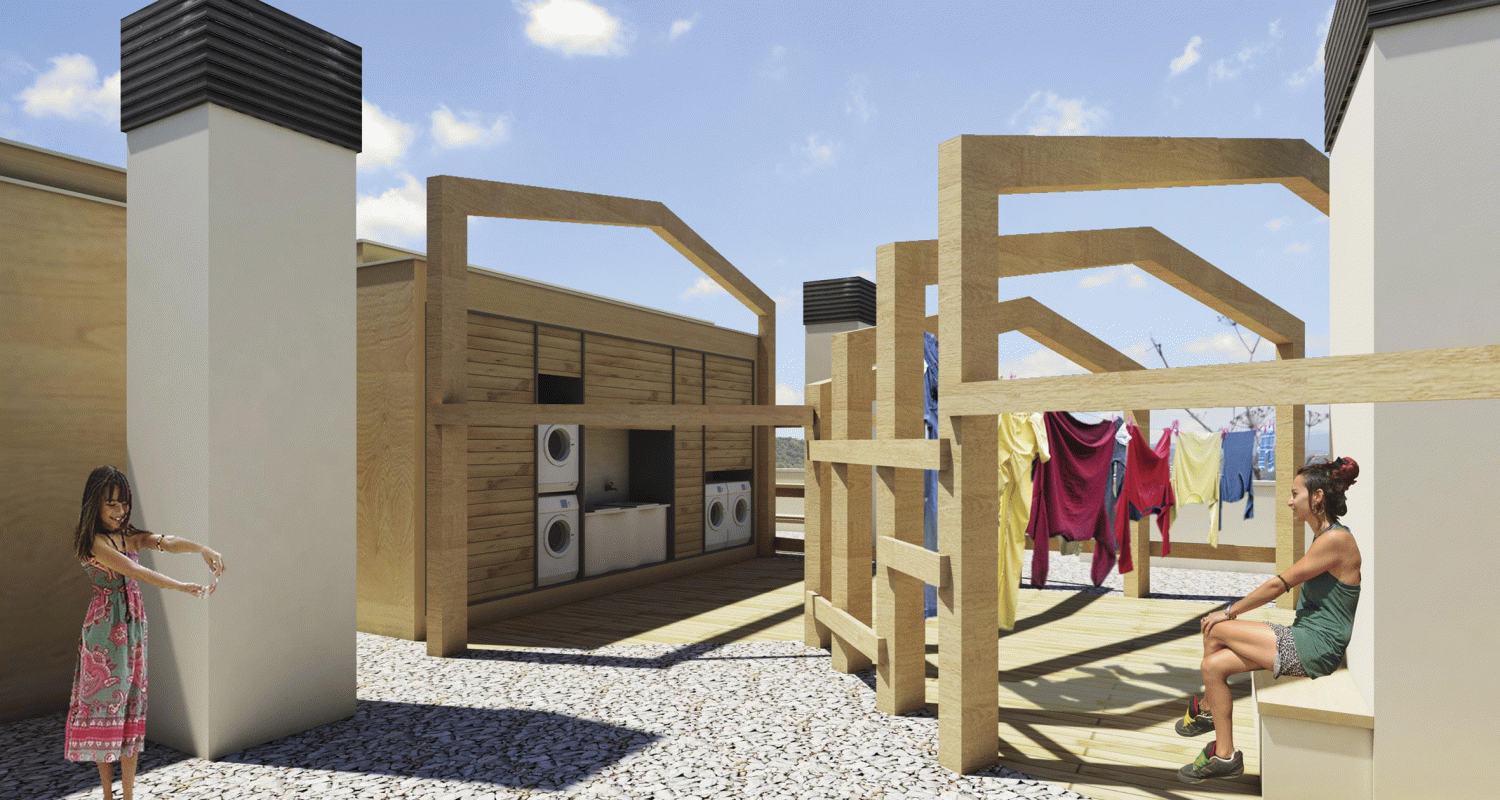
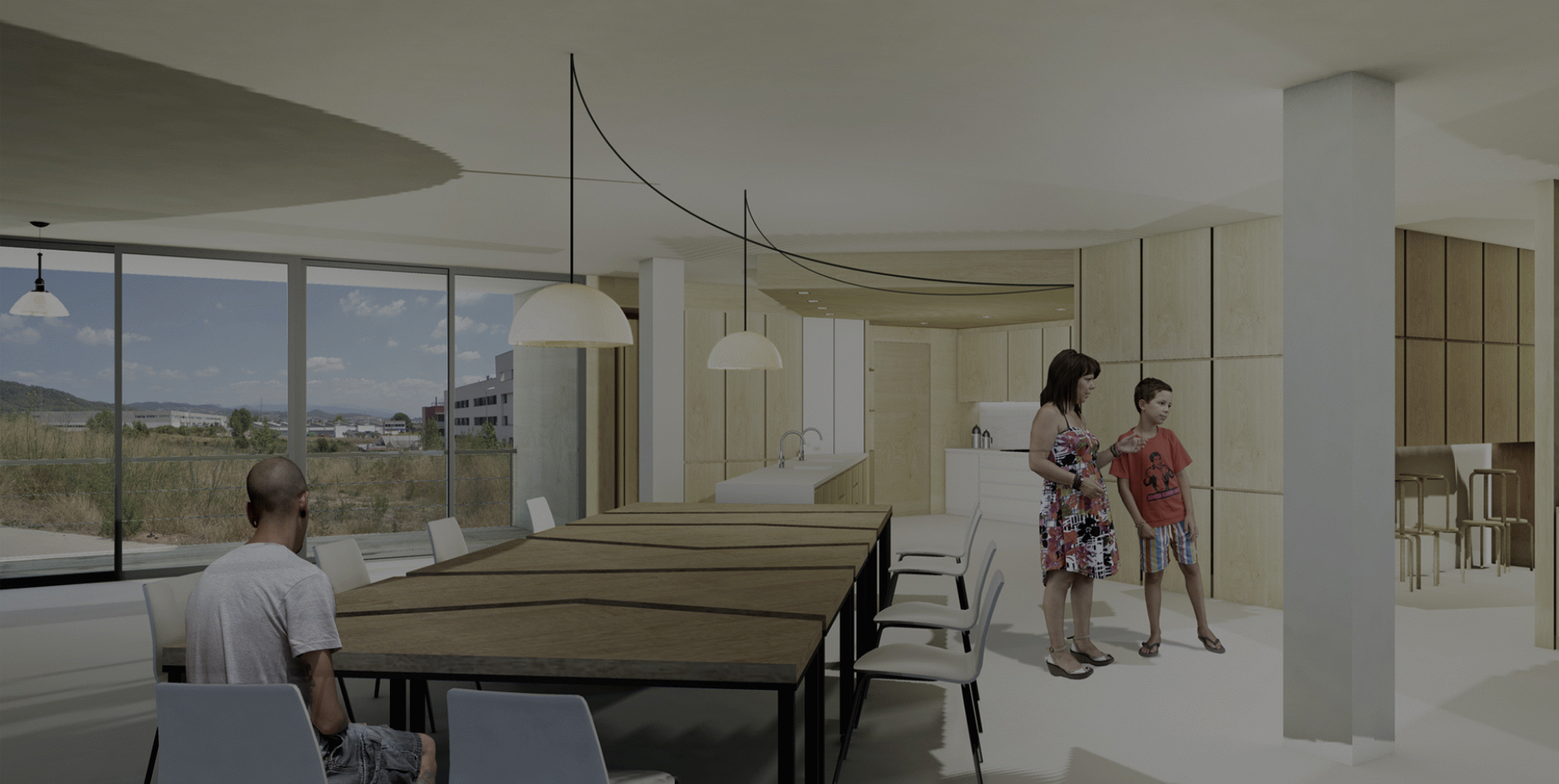
The result is the partial reformation of a block of flats. This process creates a series of semipublic common or shared spaces based on the concept of a tree. This is translated into a central nucleus made of wood that covers up the services and leaves the peripheral part of the floor free, so as to adapt it to the different needs of users. The design affects the basement, ground floor and roof of the building, respecting three floors of flats lodging foreclosed families in risk of social marginalization.