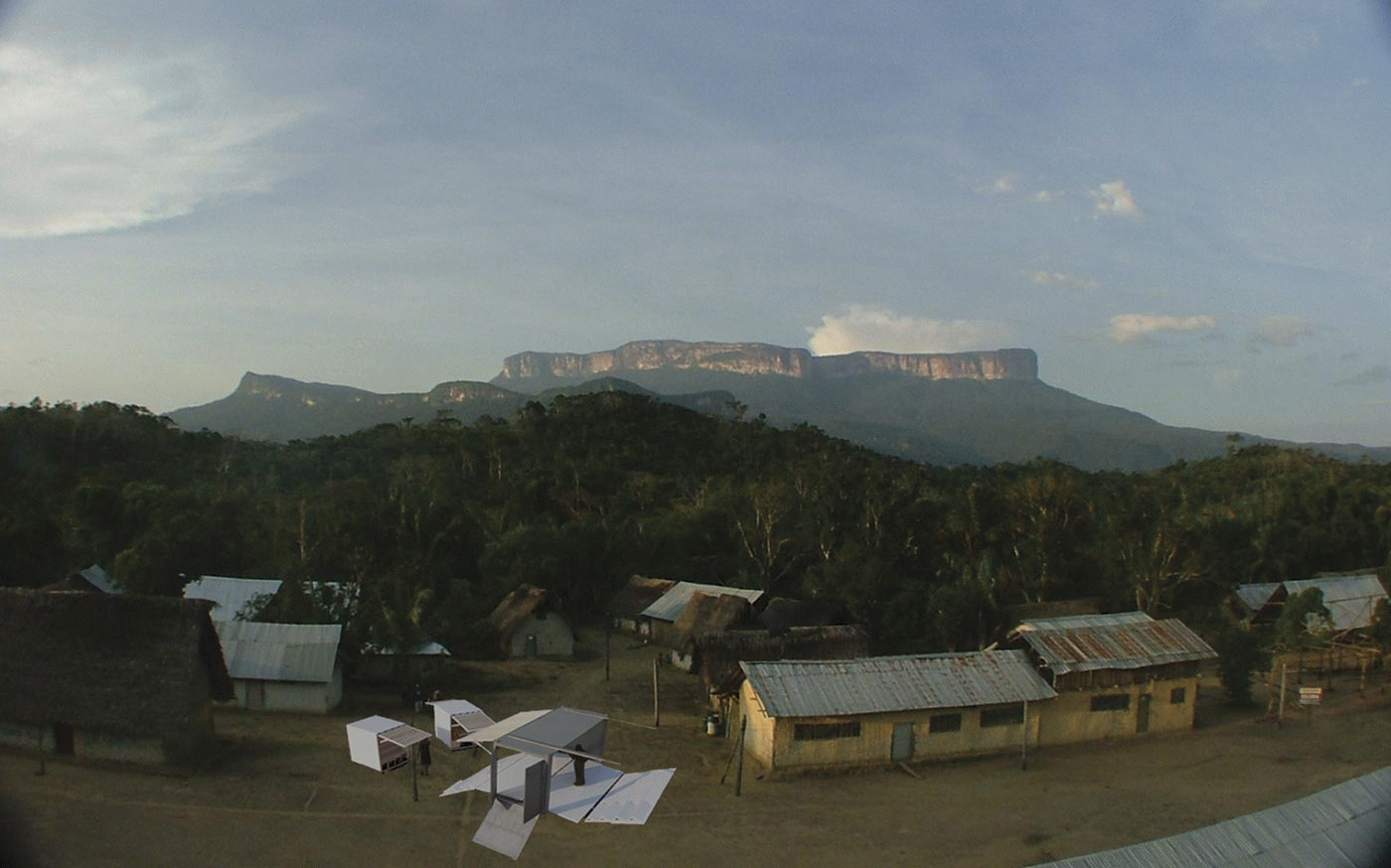




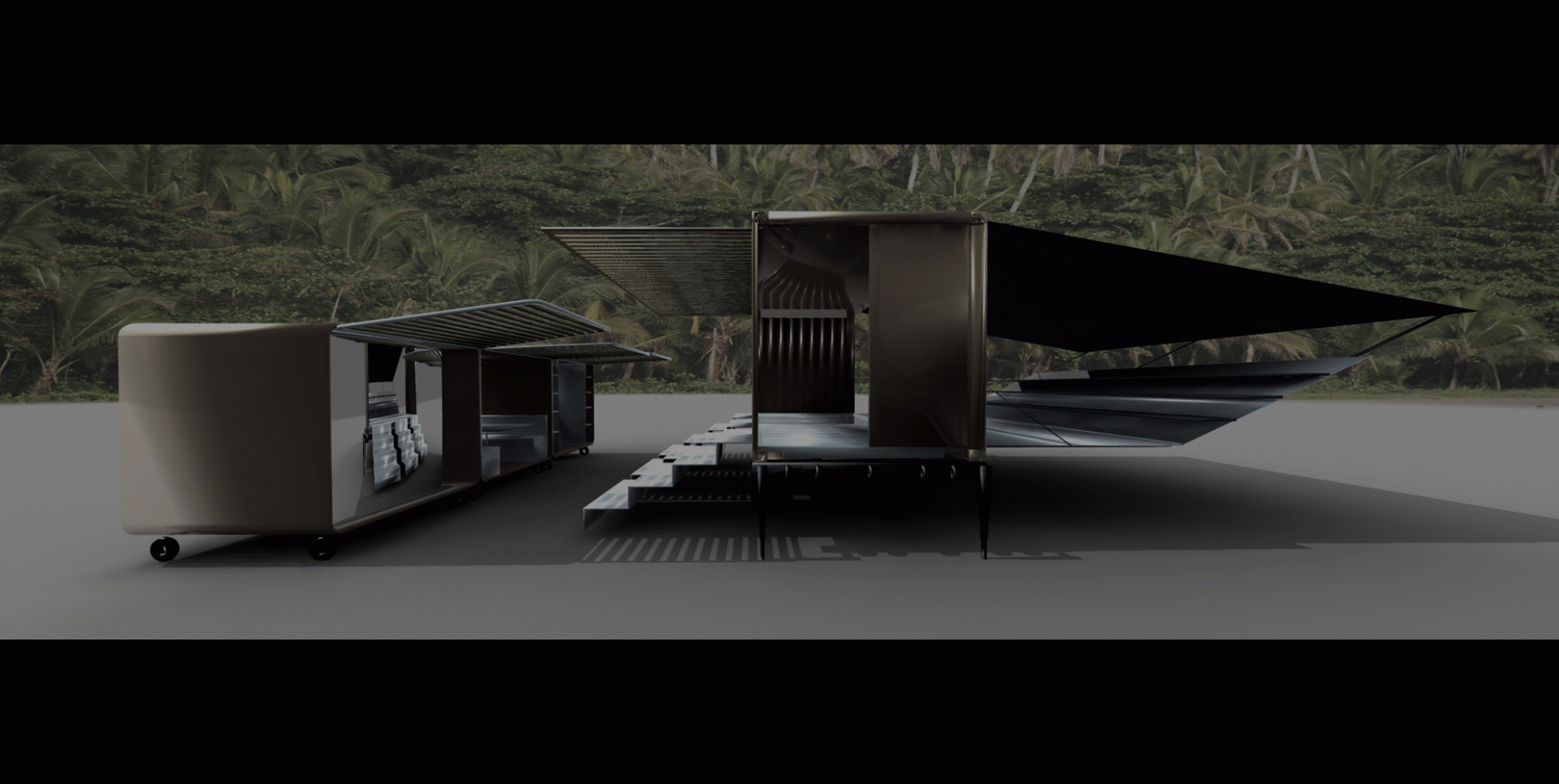
The project consists of planning a mobile space for education in response to rural schooling needs in developing countries. With this, the aim is to reduce the disparity of education opportunities and, indirectly, economic disparities. The objective is to ensure that the schools are more relevant for the students and flexible and adaptable to the needs of the local context and of its students. The adaptation to the environment is the biggest challenge. The elements defining the proposal are:
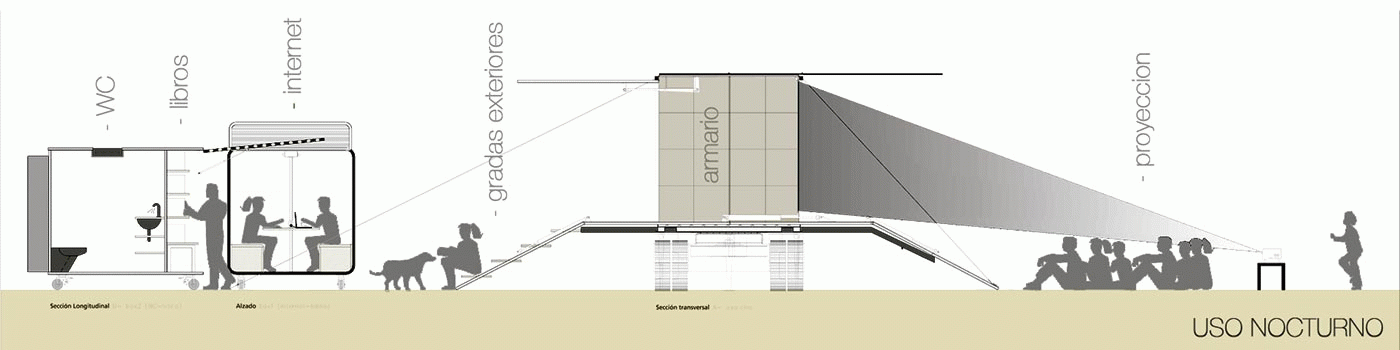
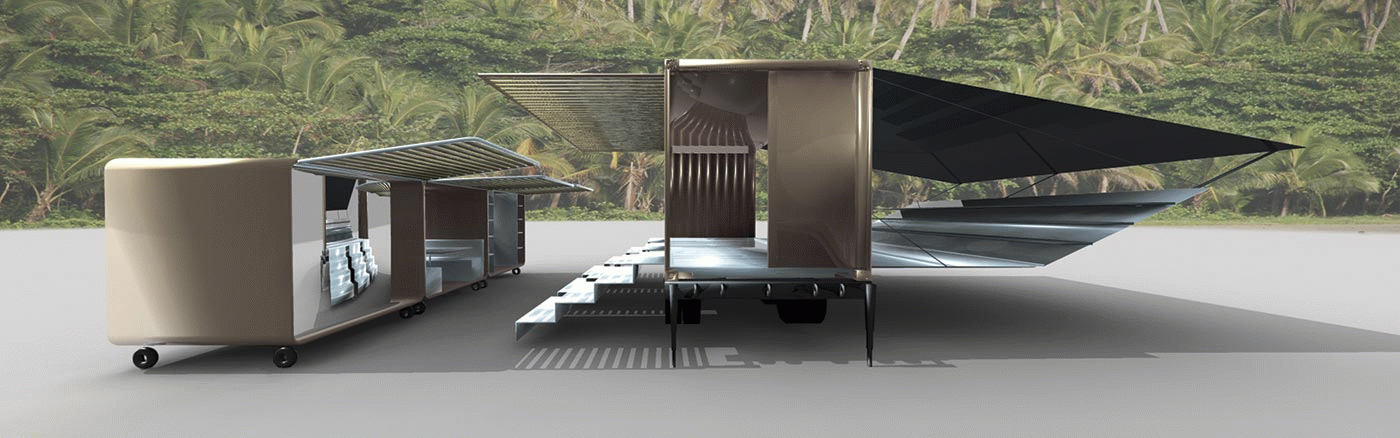
- HYBRID. The mobile school comprises: the container; auditorium, classroom, workshop and exhibition or projection room; box1, the library and the Internet; and box2, the services and the library.
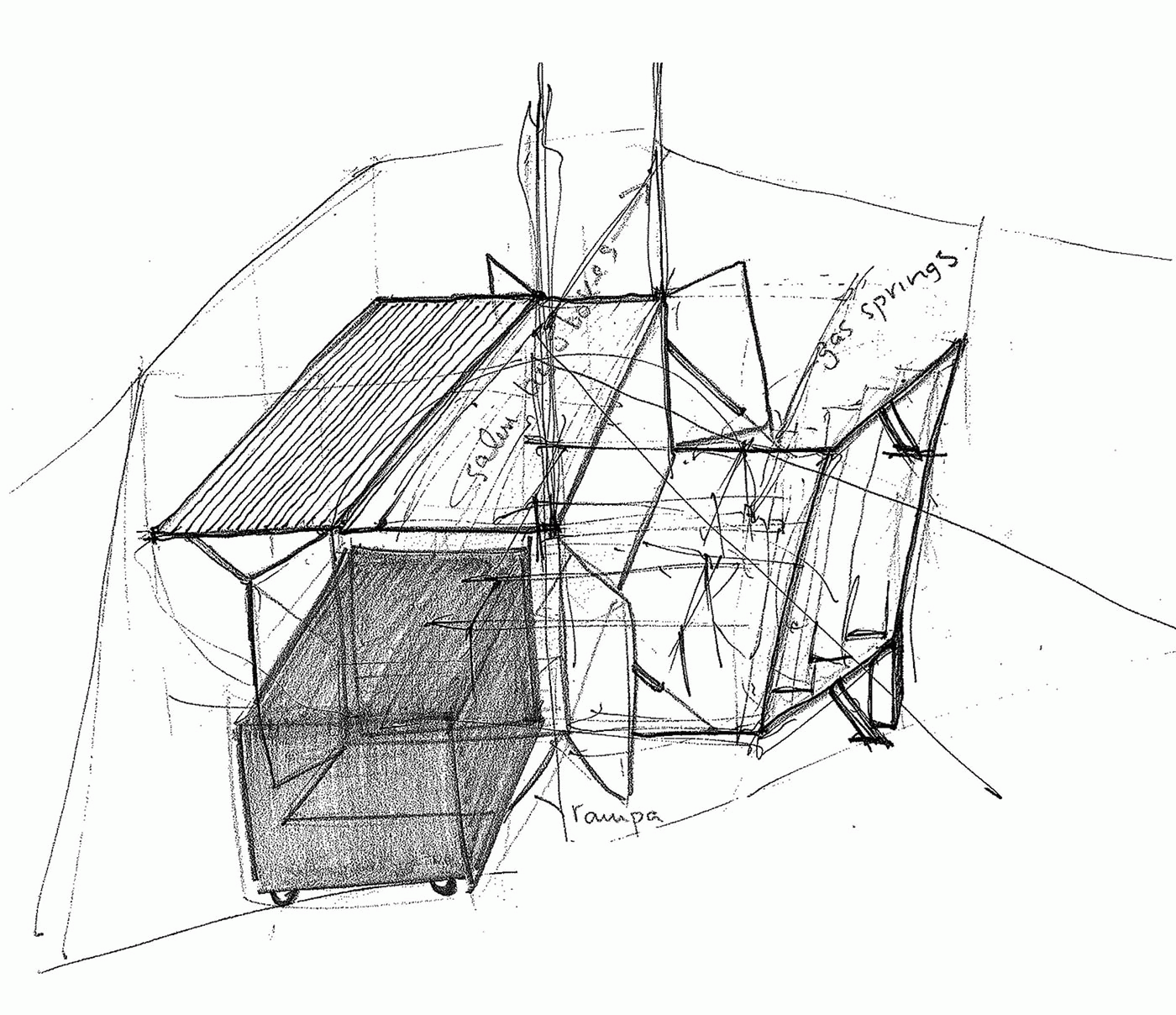
- CORES. The pieces responsible for solving the articulation of the platforms in the fixed structure are pulleys and hydraulic and gas springs.
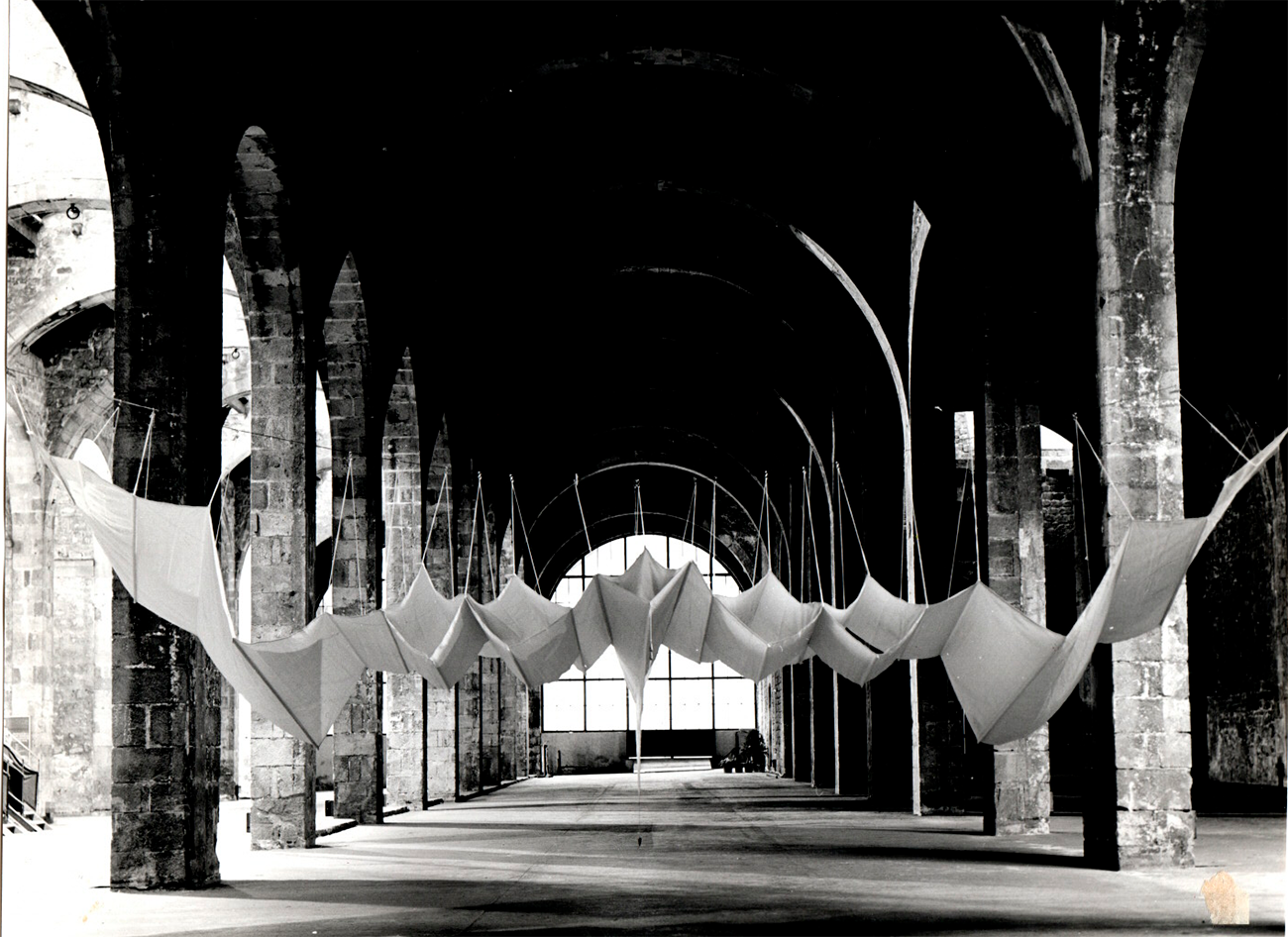
- COVERING. Canvas is superimposed on the structure: a covering that adapts to the body of the containers.
Rural or urban nomad architecture has served as the basis and reference for the project. In addition, it starts from the conviction that spaces have to interact in such a way that they are perceived more as a circumstance than as an object.