

“ExpoSURE 2026. Photographers as designers, designers as photographers” is the online exhibition of projects by students on the Specialisation Diploma in Photography and Editorial Design, which is being showcased on Eina’s Instagram at the end of August.
To reflect on the image is, inevitably, to reflect on oneself. To look is to be irrevocably shaped: it is impossible to remain on the sidelines of an event when holding a camera, so that every exercise in documentary recording ends up being deeply autobiographical. As Walter Benjamin reminded us, the art of memory does not consist in describing the past, but in knowing how to inhabit its ruins, transforming the photographic document into a flash of subjective consciousness that illuminates the present. To delve into the visual universe of this latest cohort of Eina’s Diploma in Photography and Editorial Design is to witness how these young creators explore both shores—the past and the present, the fragmented and the intimate—to find a name for that which beats beneath the silence of the images. This year, the ExpoSURE2026 collective offers us a visual feast that defies conventions—spaces of resistance where forms grow into gestures of a living, almost insidious beauty.
The notion of urban habitability and territory is subverted when the gaze shifts towards the non-human. In THE OCCUPANTS, Andrés Nicolás Bohórquez builds an unsettling tension, reminiscent of a cinematic thriller, around the persistent presence of pigeons, revealing how urban conflict blurs the boundary between inhabitant and intruder. In keeping with this animal cartography, Martina Civantos offers, in Hello Kedi, a thoughtful journey through the streets of Istanbul, where daily coexistence with cats becomes an inseparable part of the city’s landscape and rhythm of life. However, it is in Marta Aguilera’s analogue photography that this reflection reaches a moving conceptual maturity. In L’efímera eternitat, following the fragile flight of the Apollo butterfly—a tiny symbol of our climate crisis—Aguilera Jiménez proposes a challenge to the totality of anthropocentrism. Her book dismantles the historical notion that separates human beings from their environment and invites us to look from the other side in order to understand ourselves as a single organic and political being.
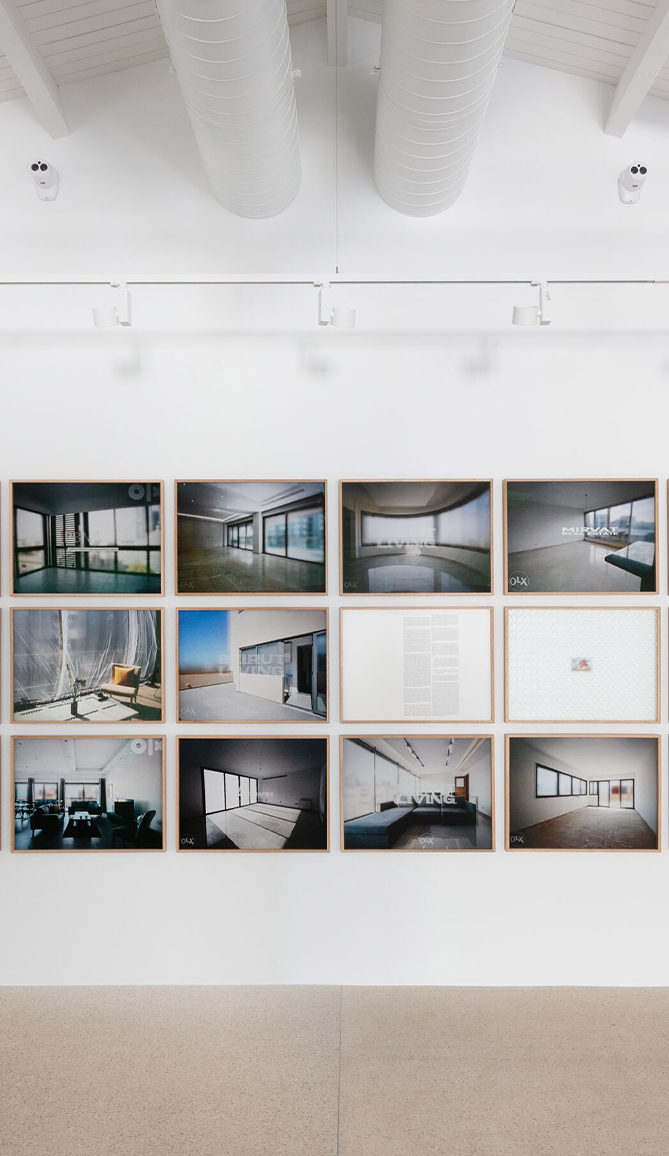
The traffic, the road and the landscapes of the outskirts become the backdrop to a strange yet magnetic everyday life. Carlota Canal’s project 620 is a landmark within this section: a beautiful love letter to public transport and the working class that follows the bus route between Ripollet and Fabra i Puig, transforming industrial estates and graffiti into a genuine emotional and identity-defining home. This same road-based impulse leads Carlota Casado to DESEO IBÉRICO, a visually powerful investigation in which she acts as an archer of the oblique gaze. Casado focuses her attention on the decaying architecture of the nightclubs on the outskirts of the peninsula, rescuing from oblivion the shadows of marginalised buildings that linger in the collective memory before disappearing entirely. Bringing this theme of mobility to a close, Cainã de Andrade Piccinini presents Seguiré caminando hasta chegar em nehum lugar as a profoundly existentialist exercise. In the manner of Francis Alÿs’s derives, Piccinini transforms the frustration of the journey into an absolute poetic statement. The artist proposes a joyful acceptance of the journey, in which the suspicion of having no fixed destination becomes, precisely, the very richness of a circular photography, free from goals, where constant change is the only certainty.
The memory of one’s roots and the scars of time also take on a physical dimension. Clara Serrano pays tribute to Andalusian migration to Catalonia in Por Un Duro Y Un Guiso, through the memories and hands of her grandmother Emilia, in an exercise that honours pain, the working-class past and the invisible legacy that is cooked on our tables. This search for cracks is translated into pure visual metaphor in Todas las heridas se parecen by María Carla Palomino, who, through carefully crafted photographic diptychs, connects the broken structures of urban Barcelona with the viewer’s emotional fractures, revealing how we coexist in harmony with imperfection.
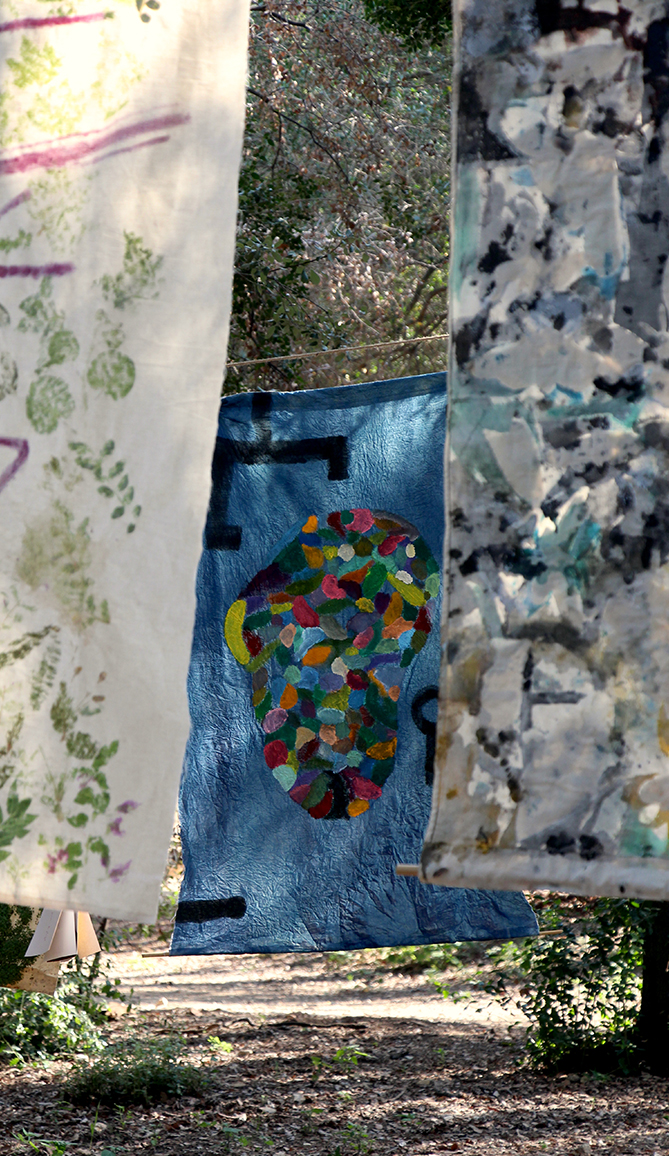
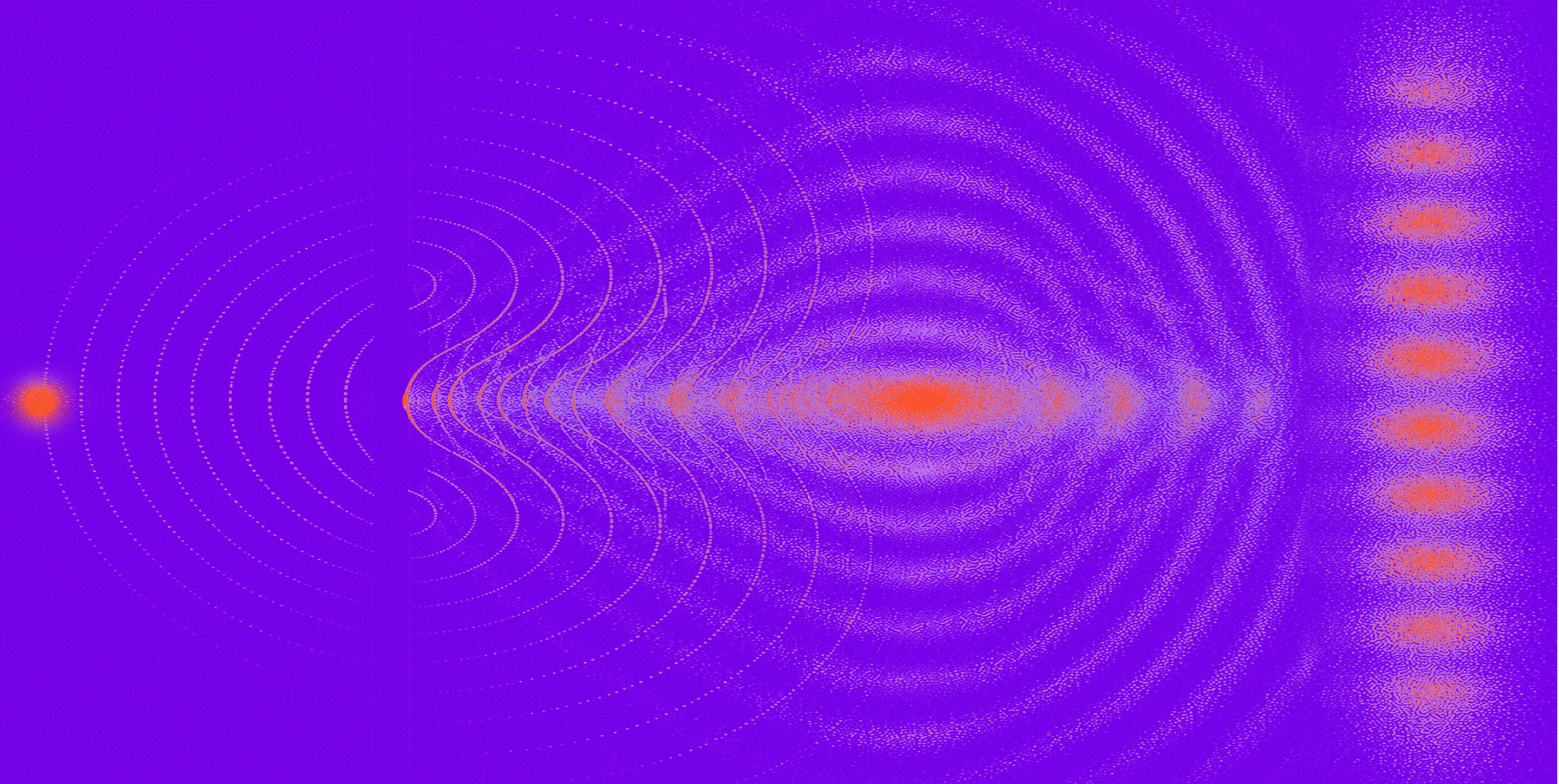
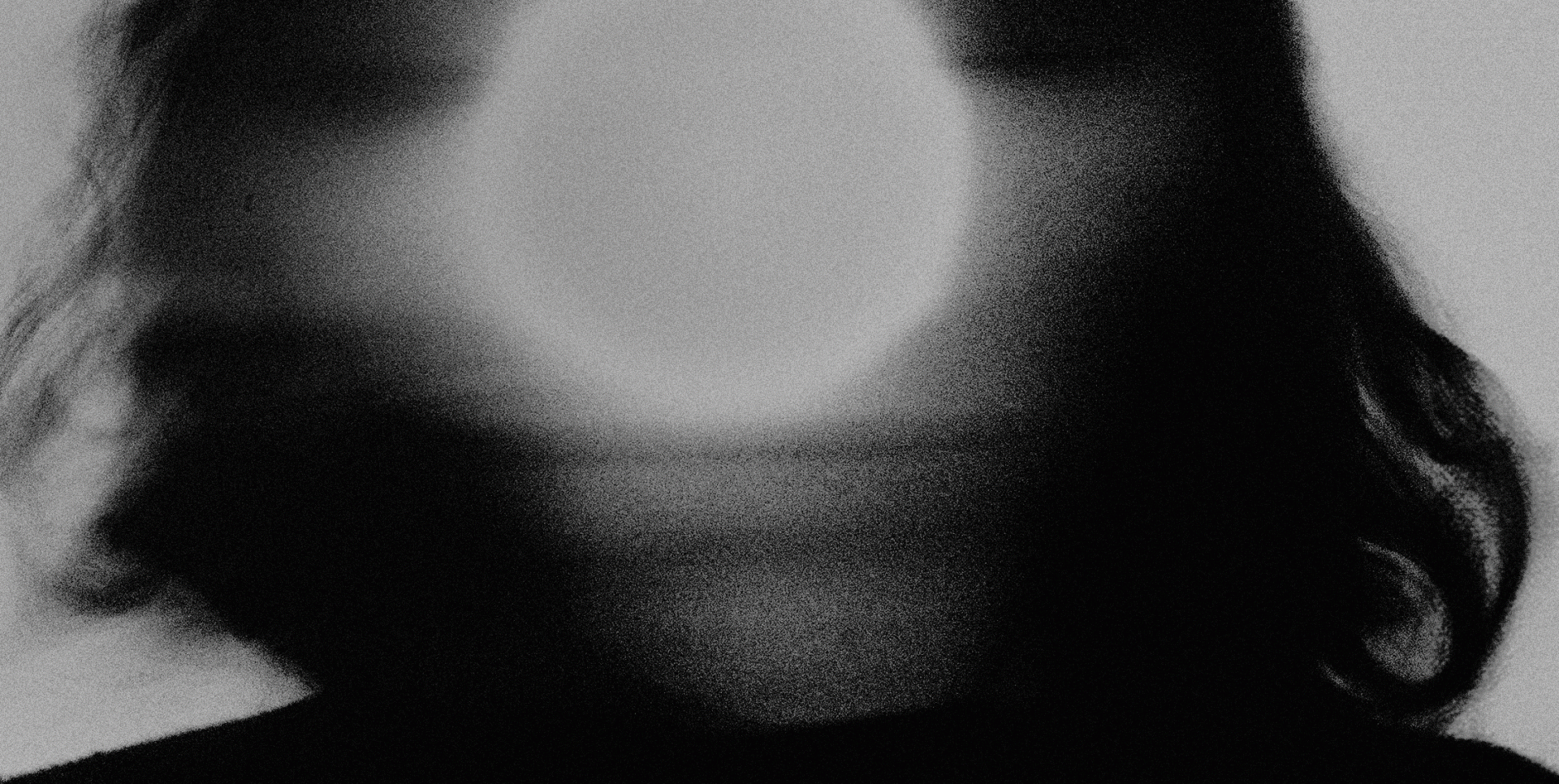
When the physical medium is imbued with intimate experience, photography becomes a material object, skin and text. This is the case with Camila Gómez, who, in No sé qué sentir, uses cyanotype on fabric to create a delicate artist’s publication in which self-portraiture and the written word converge to convey the vulnerability of the self. Similarly, the sea becomes texture and duality in No hay horizonte sin cielo, no hay horizonte sin mar by Paloma Pizarro de Rivero. Her work is a digital collection of black-and-white poems, manipulated in the darkroom with organic elements such as honey and oil on silver paper, which offers a book open to two interpretations, in which the horizon functions as the exact point of reunion.
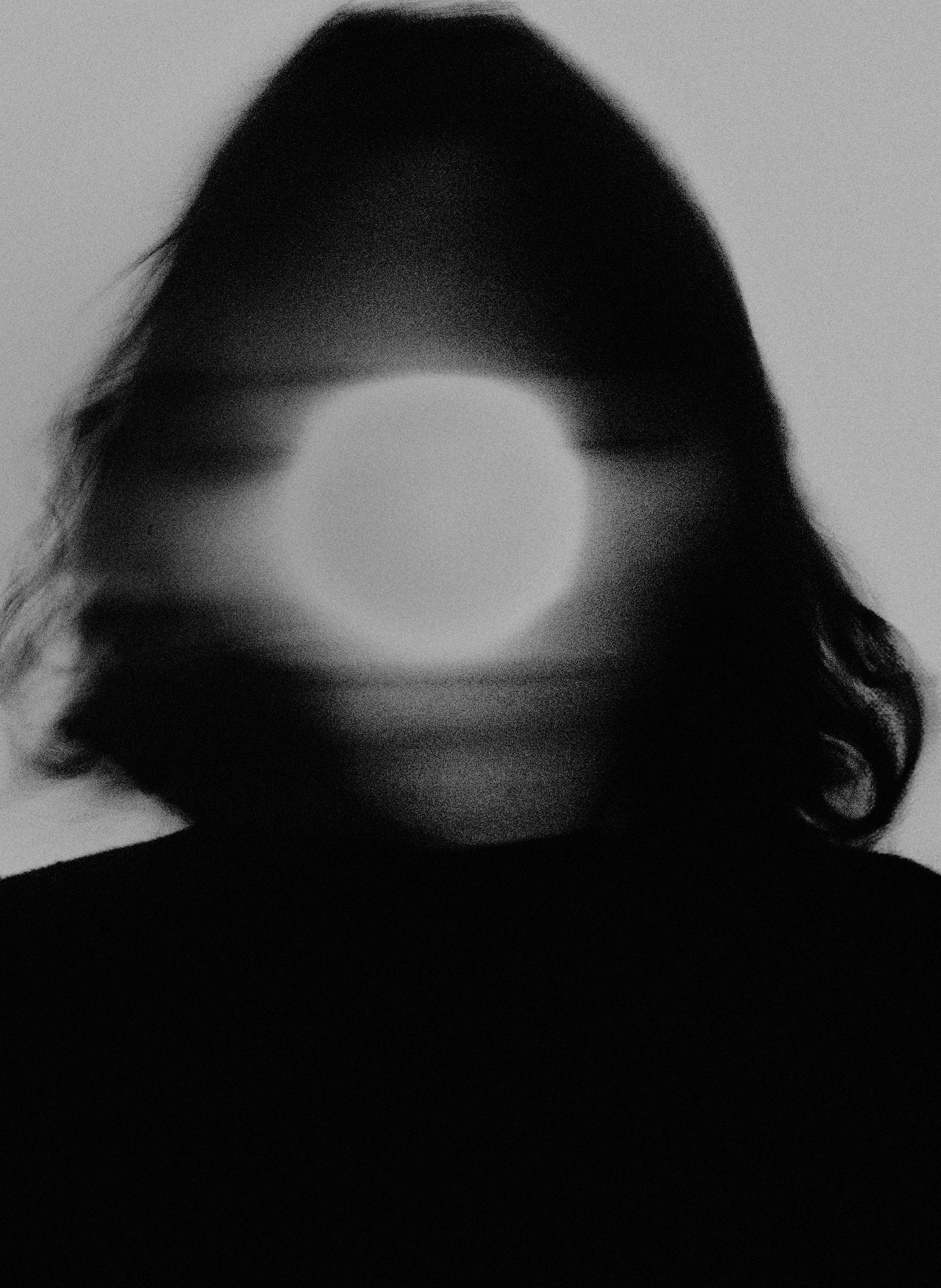
The dreamlike realm and its ghosts bring the exhibition to a close, opening the doors to profound introspection – a threshold where Michka Cristobal de Meulemeester’s work resonates with undeniable magnetic force. FANTASMAGORIA is a visual essay on dreams, articulated through black-and-white photographs of radical contrast. A metaphorical forest where memories are blurred faces that watch us with wide eyes from the depths of darkness. This conquest of reality through dreams engages in close dialogue with the work of Ana Castillo, who, through collage and the invocation of the five elements, constructs a unique ‘escape from reality’. Castillo transforms photography to invent a new spirit, turning the imagination into dreamlike matter destined to nourish a new vision. Finally, in An Exercise in Proceeding Anyway, Sara Pérez makes a genuine declaration of intent against creative block; drawing on Brian Eno’s Oblique Strategies and the melancholy of the mono no aware, she clings to the beauty of everyday things to prove to herself that she continues to exist in time.
Taken as a whole, the work of these photographers functions as one of those contemporary installations that inhabit and transform us: refuges, passageways and discreet trenches into which the viewer is invited to step, to create their own narratives. Each project is a testament to the richness of contemporary photography, a place of contemplation from which to look closely in order to give the world a name. Because, after all, reality will not be changed, nor can we speak of this new era from old perspectives. Immerse yourselves fully in this collective mirror and enjoy this visual feast as much as we have.
Dolors Soriano
Co-director of the Specialisation Diploma in Photography and Editorial Design
Cover image: No hay horizonte sin cielo, no hay horizonte sin mar, Paloma Pizarro de Rivero