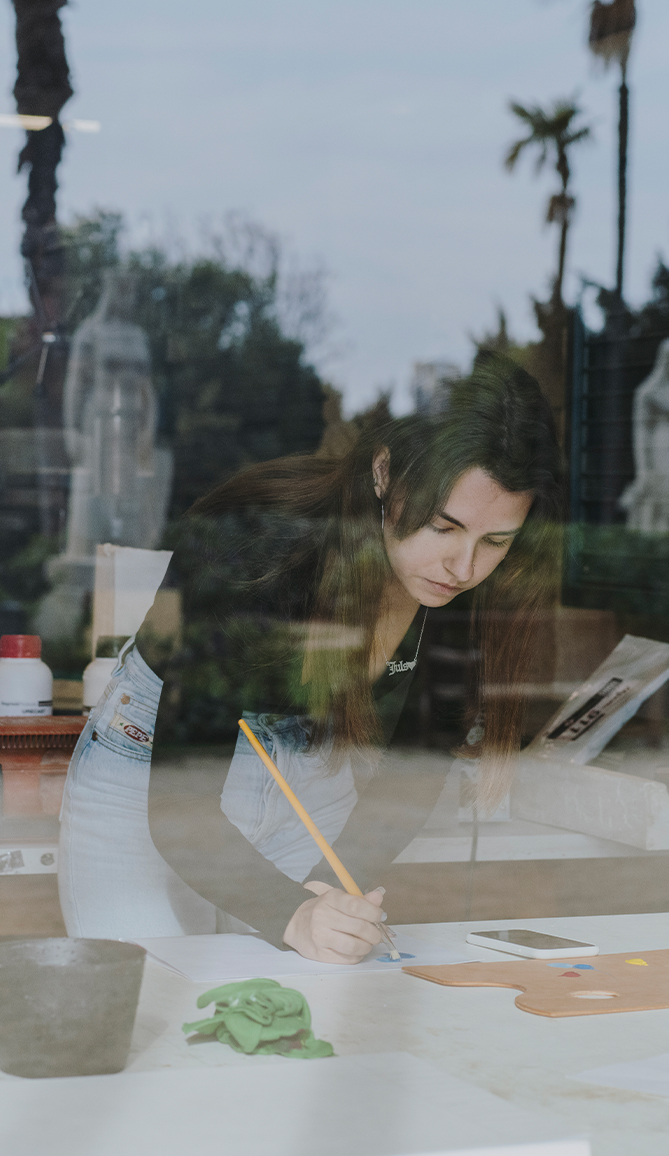


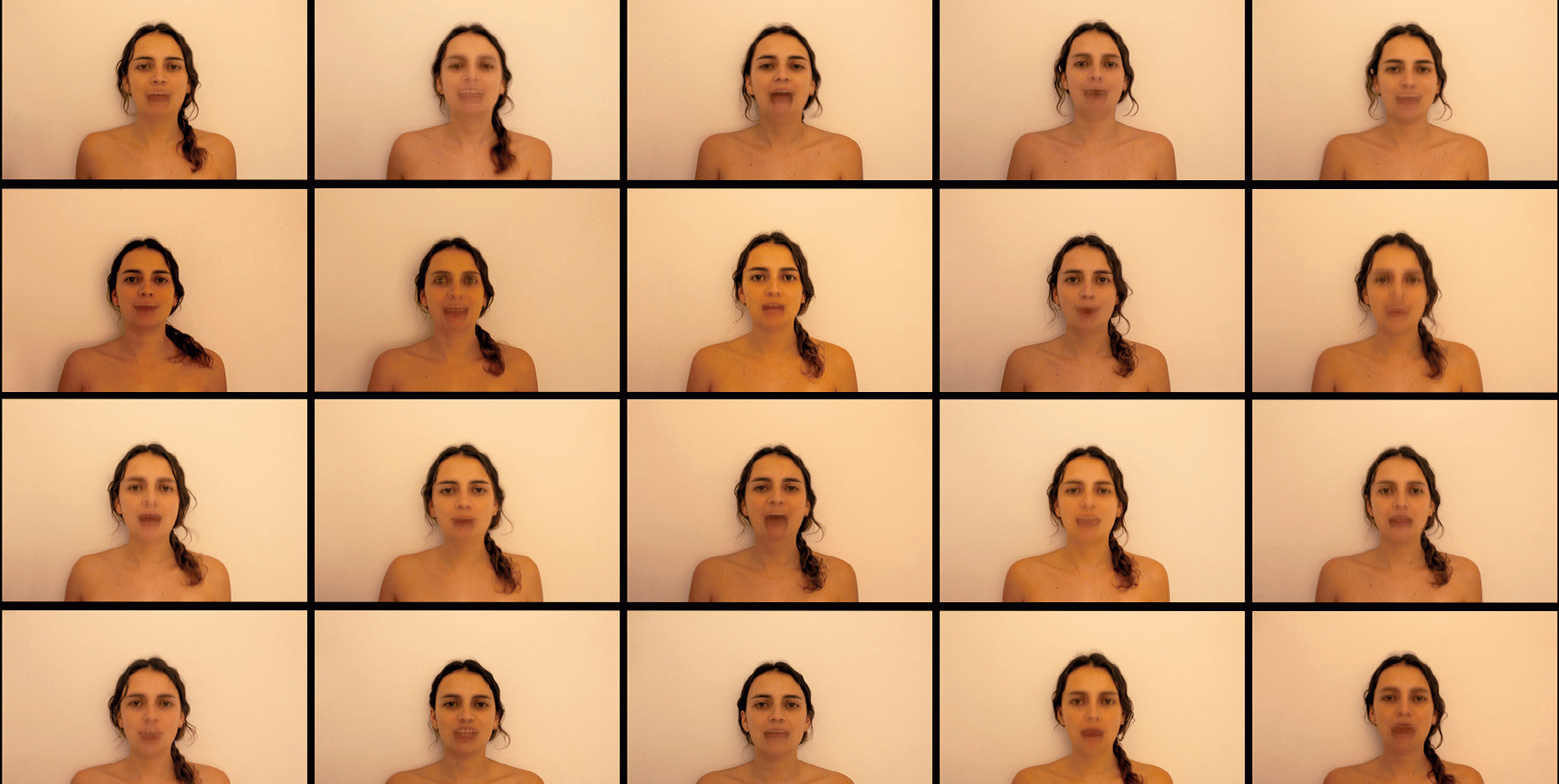
Daniela Callejas, a graduate of the Master's Degree in Research in Art and Design (MURAD) at Eina, attached to the Doctoral Programme in Philosophy at the UAB, will publicly present her thesis Ecosomatic Visual Sonorities in Picasso’s Poetry. An Artistic Research on Wednesday, May 15 at 10 am in the auditorium of the Picasso Museum in Barcelona.
This research, supervised by Dr Tània Costa and Dr Jèssica Jaques, is part of the Picasso PhD programme, launched in 2019 through a collaboration between the Picasso Museum and the Faculty of Philosophy at the Autonomous University of Barcelona. The programme aims to foster knowledge exchange between the university and the museum by rethinking Picasso’s legacy through a contemporary lens.
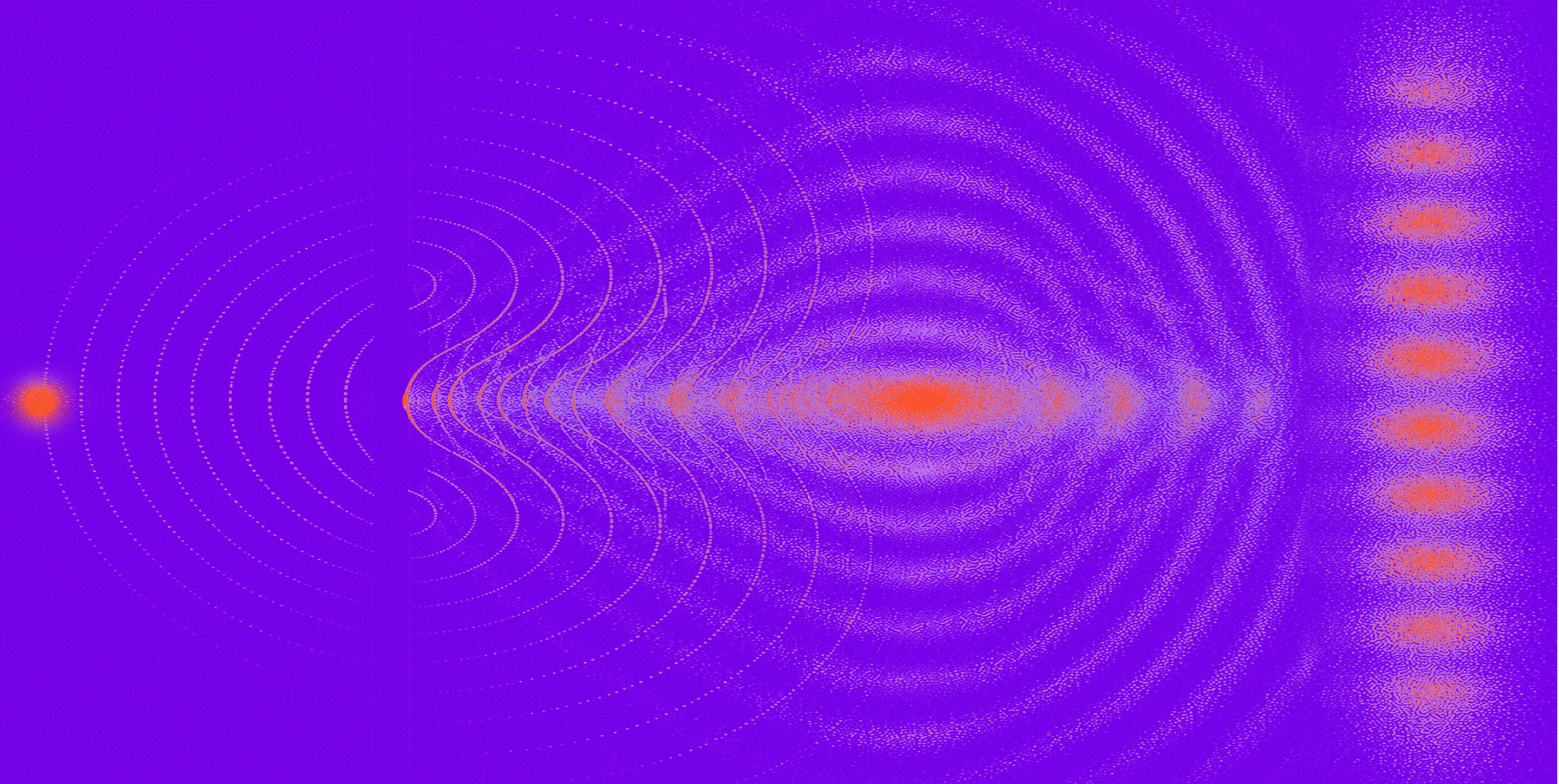
Daniela Callejas’ thesis proposes a contemporary and disruptive re-reading of the poetic texts written by Pablo Picasso between 1935 and 1959, in which sound emerges as a fundamental feature. This sonic dimension unfolds through verbal, visual, and oral languages that interact with one another and with the reader, creating a multi-sensory experience: reading, feeling, writing, looking, and reciting.
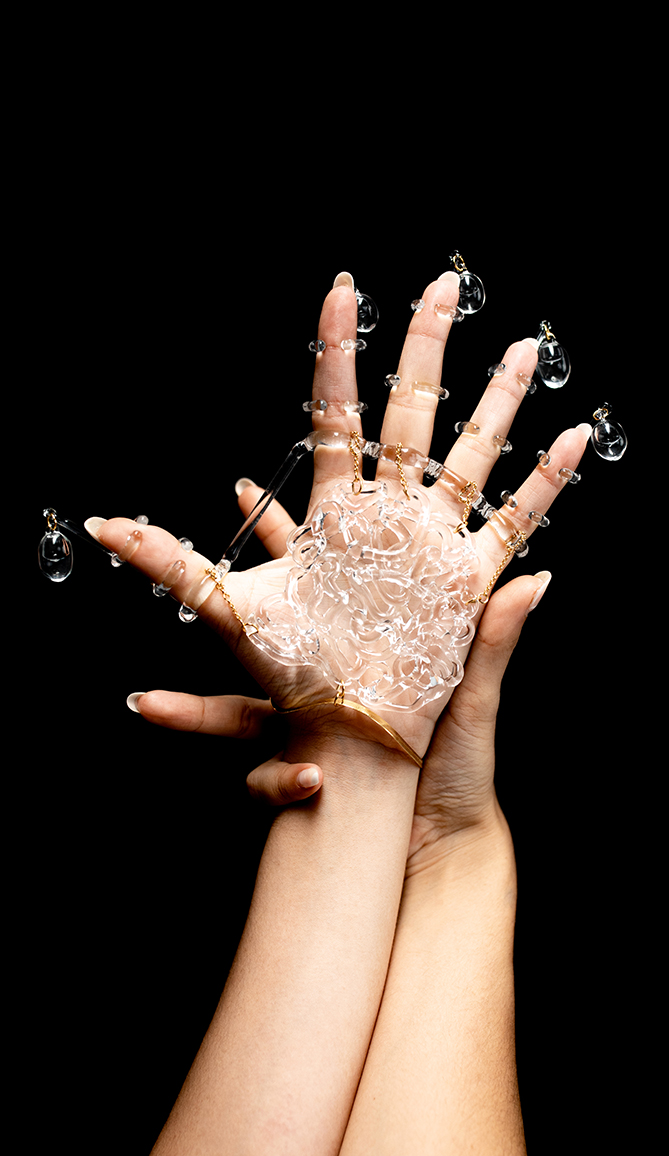
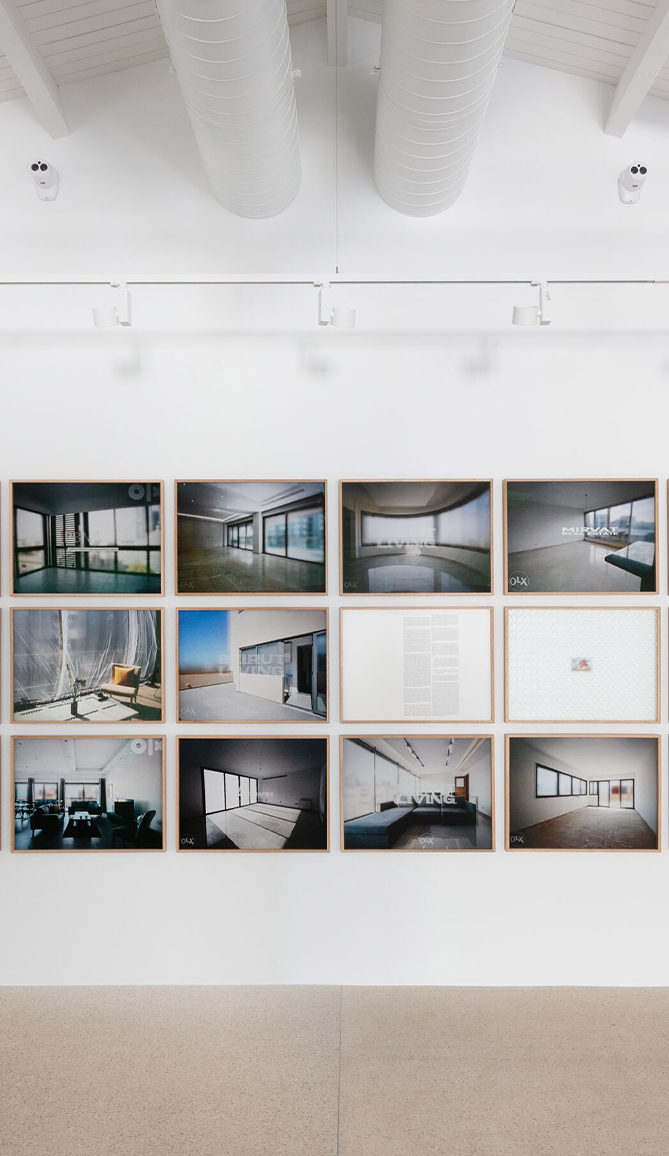
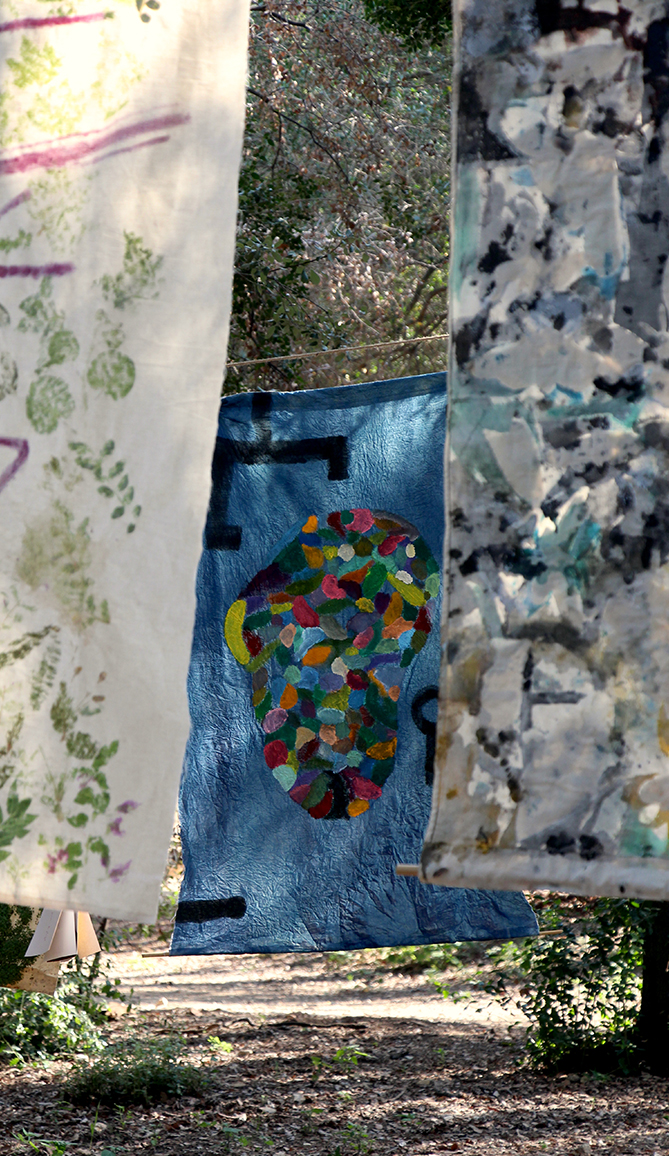
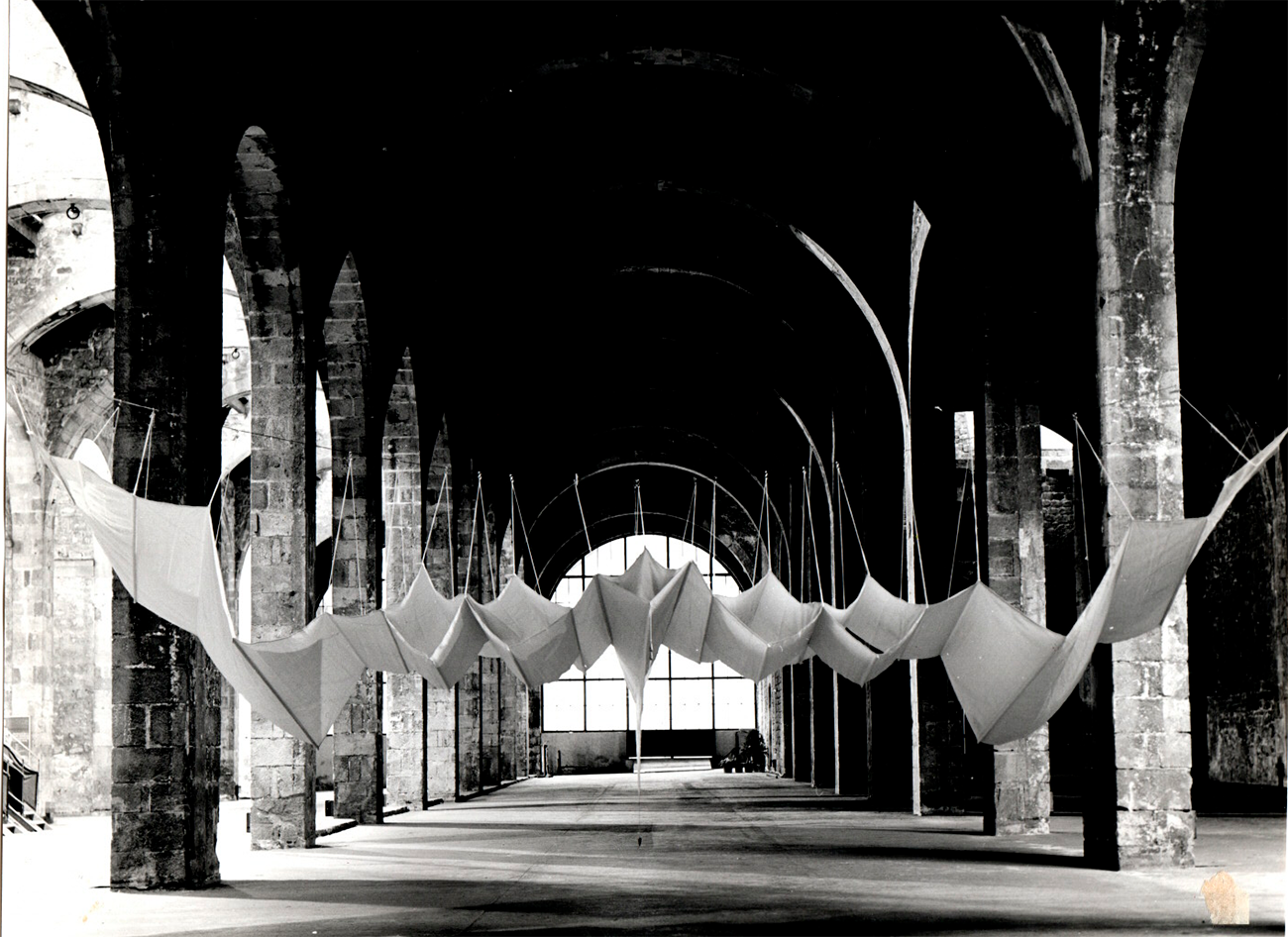
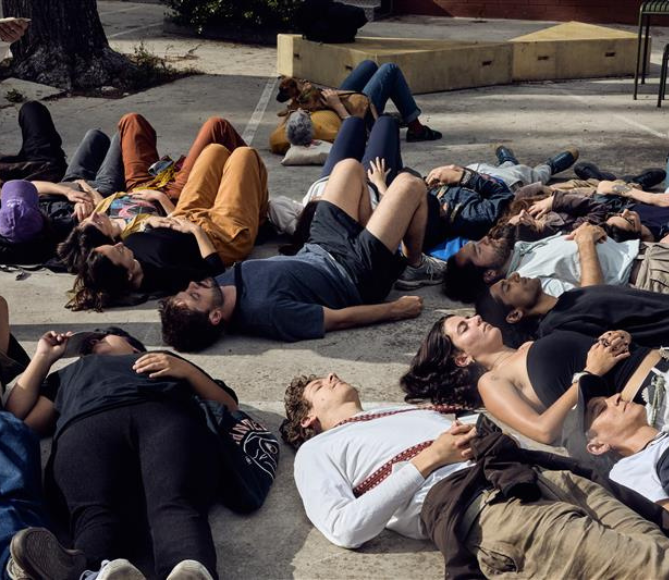
From an enactivist perspective, the author develops a non-conventional reading grounded in the connections between body and space, explored through artistic practices involving light, darkness, and sound. The research opens a new window for poetic perception and communication, enriched by performance, video, photography, and experimental art installation.
Darkness is proposed as a perceptive space that reveals the invisible, allowing poetic language to arise simultaneously through sound, vibration, movement, and gesture. These elements, which go beyond the word, become essential in the construction of the poem.
Thus, the research challenges traditional approaches to poetic events and offers alternatives to verbocentrism, focusing instead on the sensitive body, ecosomatics, material imagination, and disruptive gestures. From this emerge concepts such as hallucinogenic poetry and resplendent and resonant gestures, as tools to explore truly disruptive poetics, such as those found in Picasso's work.