
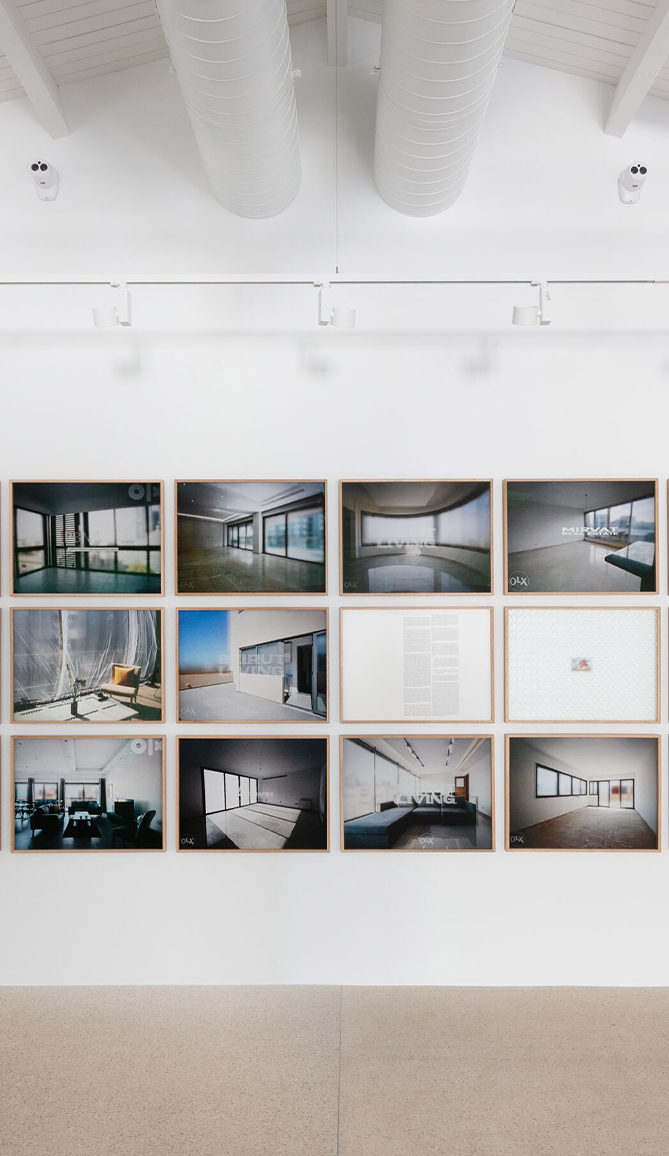

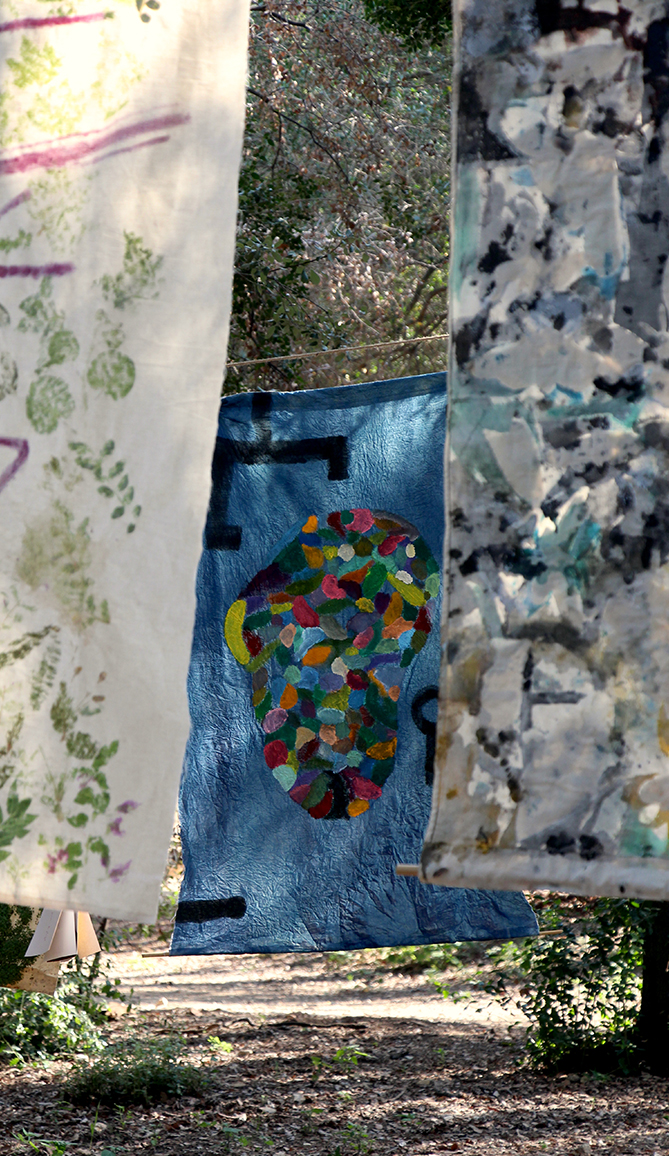

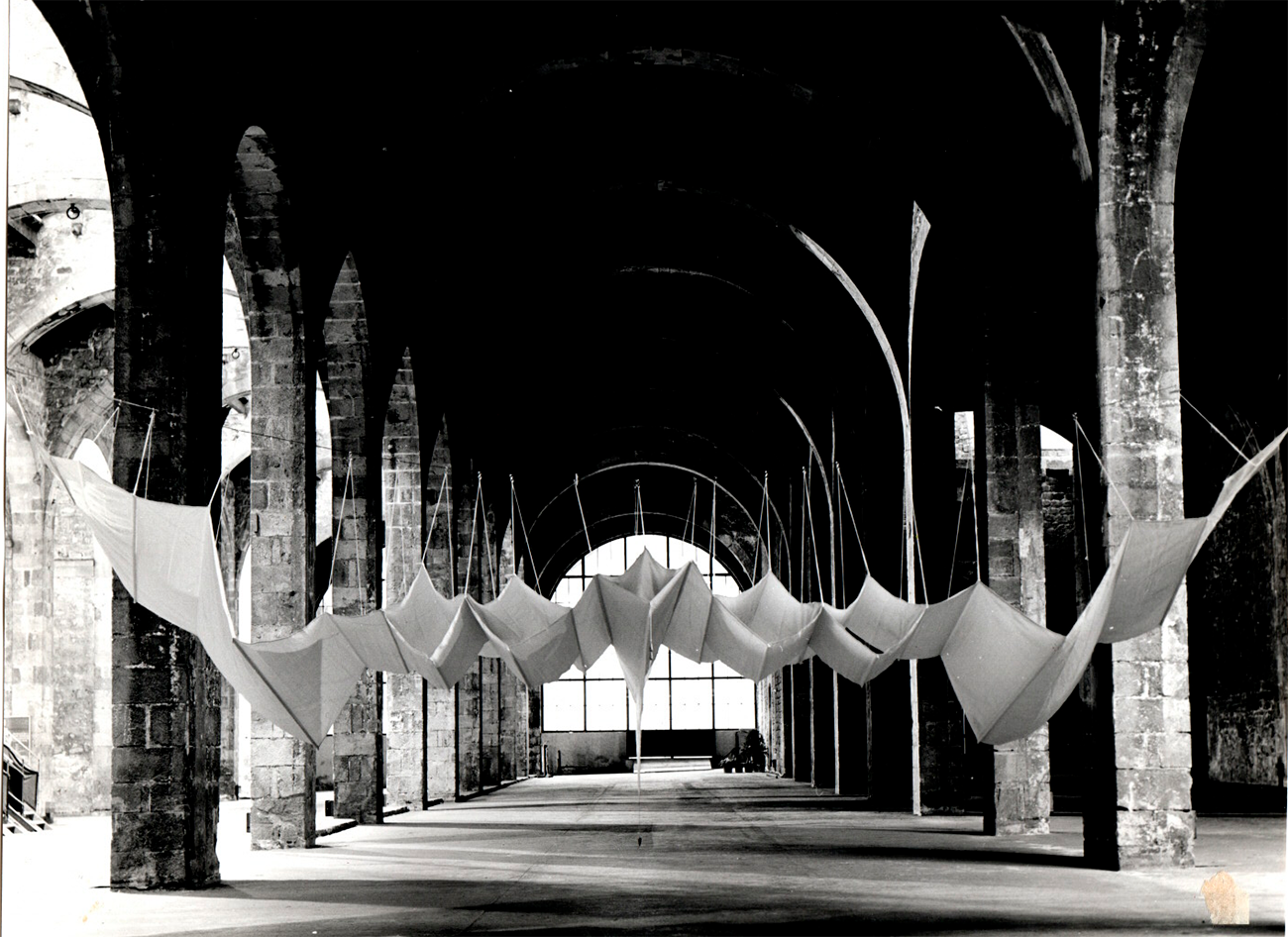

How can we design spaces that respond to new ways of living, coexisting and relating to one another? What role can design play in addressing challenges such as gentrification, the climate emergency, inclusion and the transformation of heritage? These are some of the questions explored by the 18 Final Projects of the University Master’s Degree in Spatial Design, which will be publicly presented on 3 and 4 September 2026 at Eina Bosc.
Over the course of the two days, visitors will have the opportunity to discover the projects with which students conclude their academic journey, while exploring different ways of understanding spatial design as a tool capable of responding to contemporary social, environmental and cultural transformations.
The projects address a wide range of realities and contexts. They include research into educational spaces and the needs of families with autistic members; new approaches to shared housing in response to gentrification; modular housing for emergency situations; proposals for repurposing underused assets as social housing; and reflections on funerary spaces and their role in providing emotional support.
The projects also have a strong international dimension, with proposals situated in or inspired by contexts including Barcelona, Medellín, Lima, Morocco, Guangzhou and Japan. This geographical diversity makes it possible to address global challenges from local perspectives and to explore context-specific responses through design.
Other Final Projects focus on territorial regeneration, urban acupuncture, public space, retail, rehabilitation and ephemeral architecture as a means of cultural activation and preserving and constructing memory.
Together, the public presentations offer an overview of the concerns and research interests of a new generation of spatial design professionals. They also transform the culmination of the Master’s programme into an opportunity to share and debate ideas and to bring new perspectives on how we inhabit the world into circulation.
Presentation Programme
Thursday, 3 September
9.00 h — Paola Carolina Acosta Ospina
Diseño consciente del espacio educativo
10.00 h — Francisco Castillo Muñoz
Habitar en tránsito
11.00 h — Sonia Patiño Panesso
Colgar la ropa en el contexto mediterráneo
12.00 h — Juan Jose Quiroz Franco
Habitar en contextos de gentrificación: estrategias de diseño para vivienda compartida en Medellín a partir del referente de Barcelona
13.00 h — Helena Calzado Justribó
Regeneración territorial y nuevas formas de habitar: modelo de diseño multifuncional y cohabitación en la masía funcional
15.00 h — Yu-Li Liu
El estudio del espacio intermedio: el sistema En-gawa de Japón
16.00 h — Alonso Labrin Ladron De Guevara
Espacio público más allá de la contemplación
17.00 h — Yue Liu
Estrategias de diseño espacial para la transformación de activos infrautilizados en vivienda social sostenible: un modelo de gestión pública e integración generacional en Barcelona
18.00 h — Karina Ramos Dominguez
El espacio funerario como acompañamiento emocional
19.00 h — Valeria Orquera Godoy
El cuerpo agotado
Fridat 4 September
9.00 h — Aya Mdouli
Vivienda modular de emergencia en Marruecos
10.00 h — Jiangjun Li
La cadena de guía escolar-familiar: Diseño de espacios educativos secundarios y viviendas familiares para familias con autismo en Guangzhou, China
11.00 h — Maria Ines Suarez Vadillo
Intervención estratégica mediante acupuntura urbana
12.00 h — Saideerding Subinuer
Estudio de estrategias de refugio espacial en climas desérticos extremos: Diseño espacial de una unidad habitacional temporal móvil para trabajadores de primera línea en el control de la desertificación, basada en la traducción de la lógica espacial de la yurta kazaja y su integración con la construcción modular
15.00 h — Ariana San Roman
Pacheco Retail atemporal
16.00 h — Marina Segarra Hernández
Bio-rehabilitar la historia
17.00 h — Valeria Maria Micali Morales
Arquitectura efímera escénica como estrategia de activación cultural en el espacio público patrimonial del centro histórico de Lima
18.00 h — Beatriz Piñeiro Snoeck
Arquitectura efímera como lenguaje de memòria