

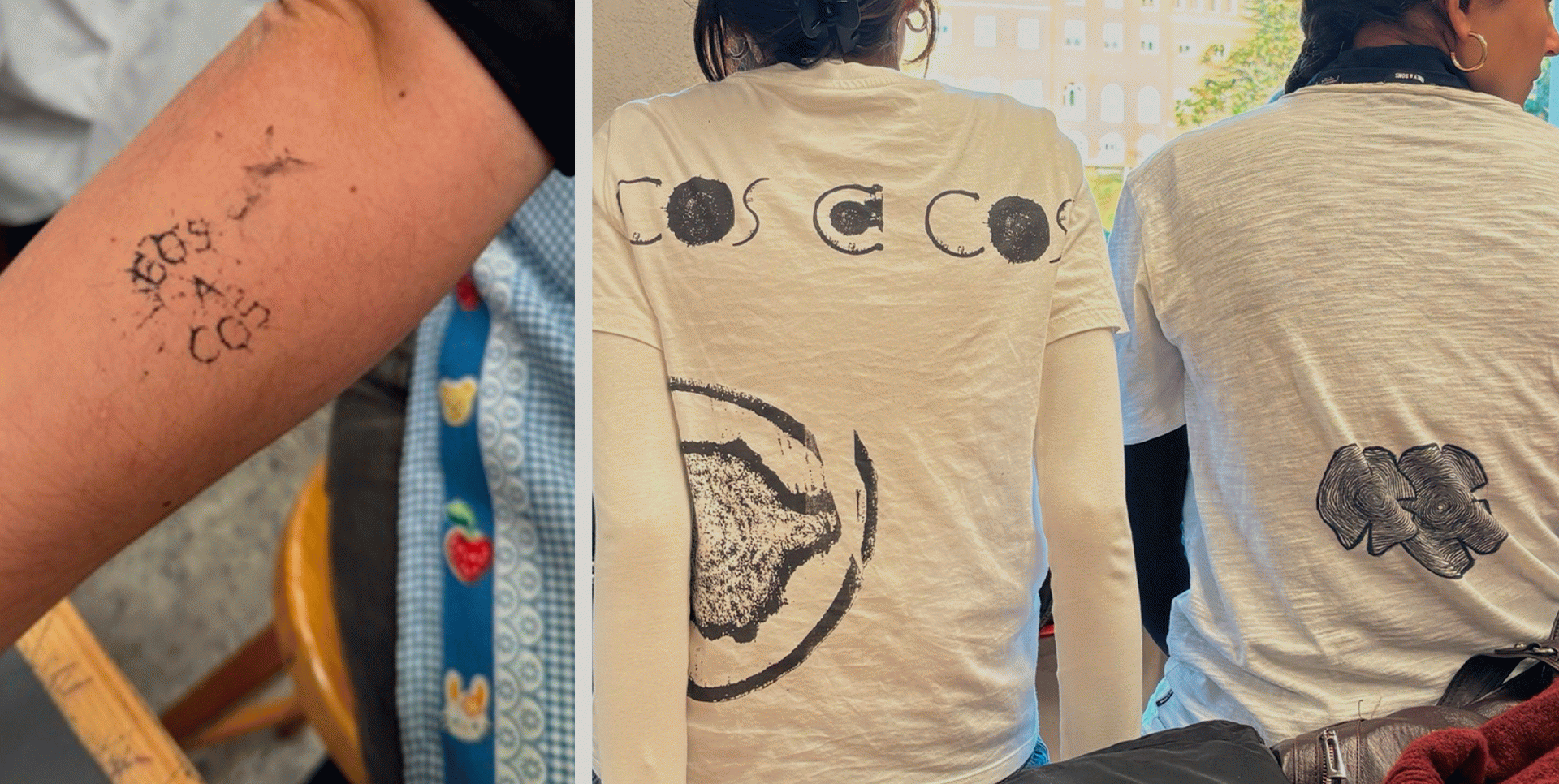
As part of the SIT-PLU (Situated Creative Practices for the Pluriverse) project, funded by the Creative Europe programme, NEBULA Laboratory researchers Anna Pujadas and Mar Saiz initiated Dressing the Territory: Drawing, Identity and Community in December 2025, an intergenerational creative experience bringing together university students and primary school children. Through screen printing, textile printing and the customisation of reused T-shirts, the workshop explored design as a tool for shared learning, identity expression and ecological awareness.
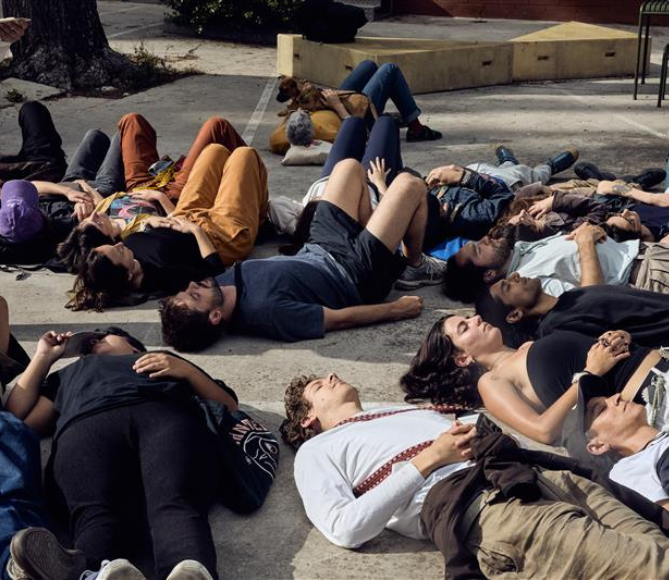
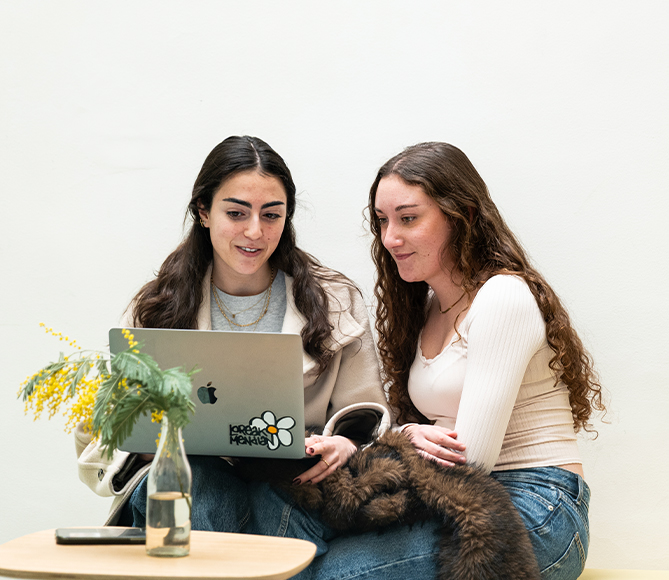
Under the theme ‘Body to Body’, the activity encouraged participants to work together through drawing, screen printing and textile printing, connecting artistic practices with the life of the community and the territory it inhabits. This laboratory was a collaboration between primary school children from Escola Dolors Monserdà Santapau and students from Eina's Bachelor's Degree in Design. The university students took on the role of facilitators, sharing screen-printing techniques with the children.
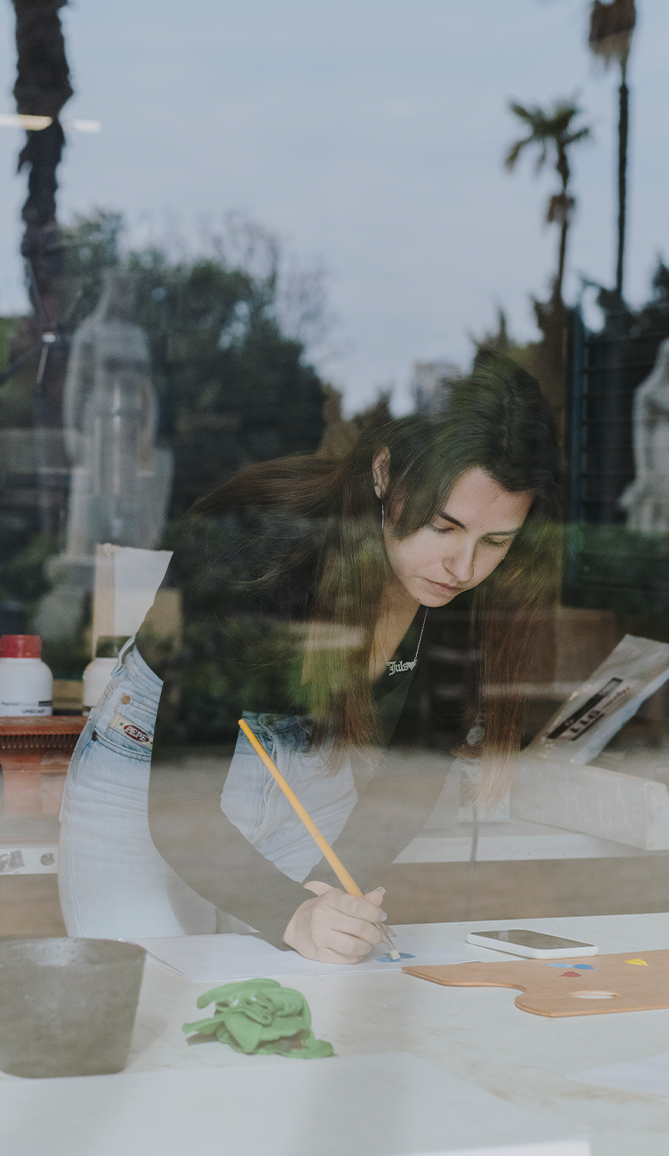
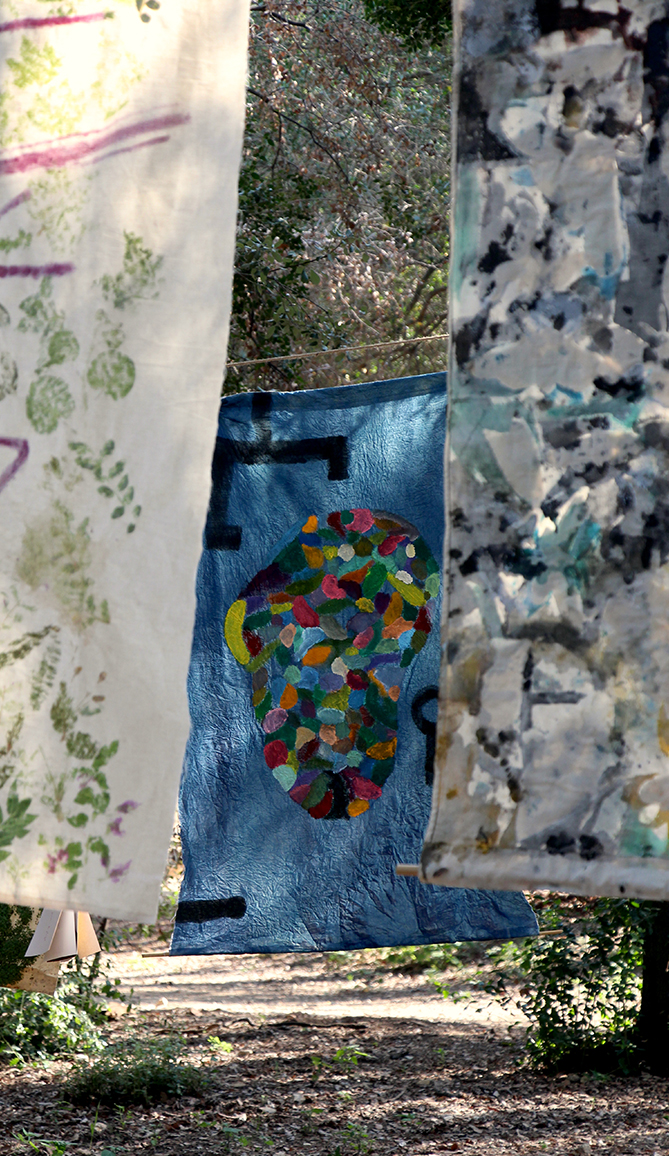
Using lettering previously designed by the design students, each participant customised a reused T-shirt through different printing and drawing techniques. A shared graphic foundation gave rise to unique creations, with each person contributing their own perspective and way of expressing themselves.
The activity opened up a space for reflection on the relationships of interdependence between the human community and the more-than-human world. From the perspective of ecopedagogy and environmental education, drawing and creating together were approached as ways of developing attentiveness to the environment, shared responsibility and ecological awareness. Inclusion was understood as a practice of hospitality and recognition of diversity, in which different ages, experiences and ways of perceiving the world contribute to building a shared space.
Dressing the Territory explored how design and artistic practices can foster horizontal forms of learning and community participation. Through the act of drawing body to body, the laboratory transformed textile creation into an experience of connection, care and ecological commitment, highlighting the potential of art education to imagine alternative ways of living together and inhabiting the territory.