


As part of the SIT-PLU (Situated Creative Practices for the Pluriverse) project, funded by the Creative Europe programme, NEBULA Laboratory researchers Anna Pujadas and Mar Saiz developed the Sortir a pastar (Going Out to Graze) laboratory during November and December 2025. The initiative invited students from the Bachelor's Degree in Design to explore the peri-urban landscape surrounding the campus through drawing, collective movement and artistic experimentation, investigating new ways of relating to the territory through an ethics of care and relational design.
The laboratory proposed exploring the immediate surroundings of the campus as a space for shared learning. Through participatory methodologies, students moved beyond the classroom to explore the territory and establish new forms of engagement with the landscape, materials and communities that inhabit it.
Eina's campus is located in a transitional area between the urban fabric, parkland, woodland and mountains: a peri-urban and interstitial territory that defies conventional classifications. Neither fully urban nor strictly natural, this environment is characterised by spatial fragmentation and the overlapping of diverse socio-ecological dimensions. This complexity transformed the territory into a living laboratory from which to explore alternative ways of inhabiting, sharing and rethinking public space.
The laboratory was structured around the principles of relational design, an ethics of care, and situated and feminist pedagogies. From this perspective, learning was understood not merely as the individual acquisition of knowledge, but as a collective process built through experience, listening, cooperation and attentiveness to the surrounding environment. The initiative explored how collaborative artistic practices can contribute to more inclusive educational processes committed to ecosocial relationships.
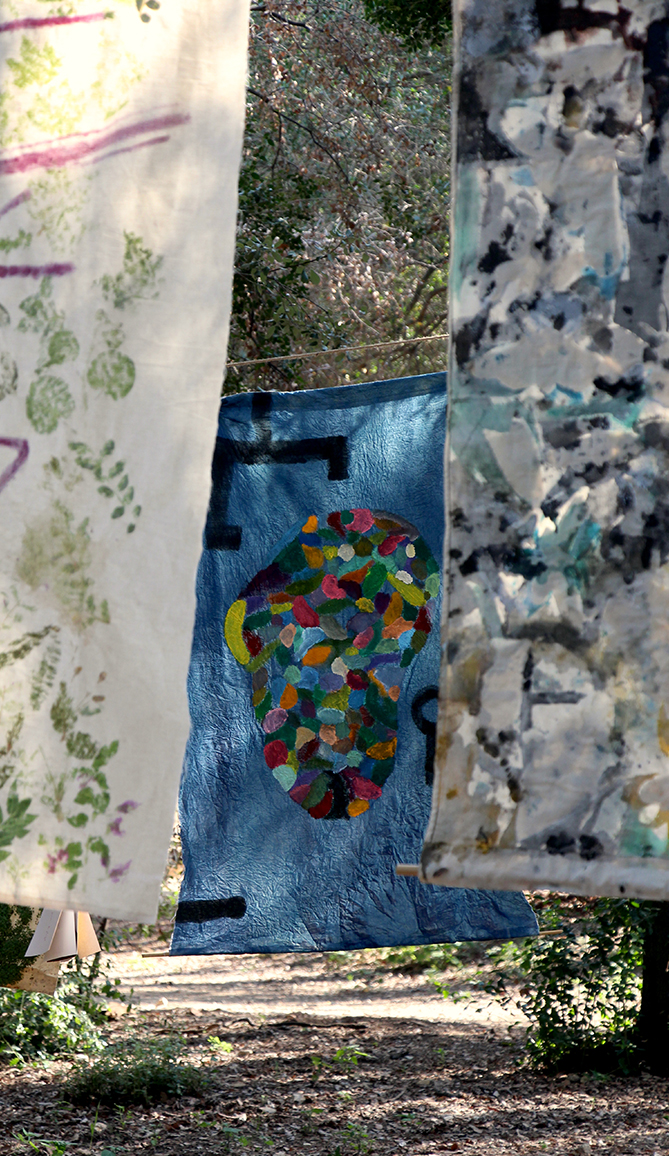
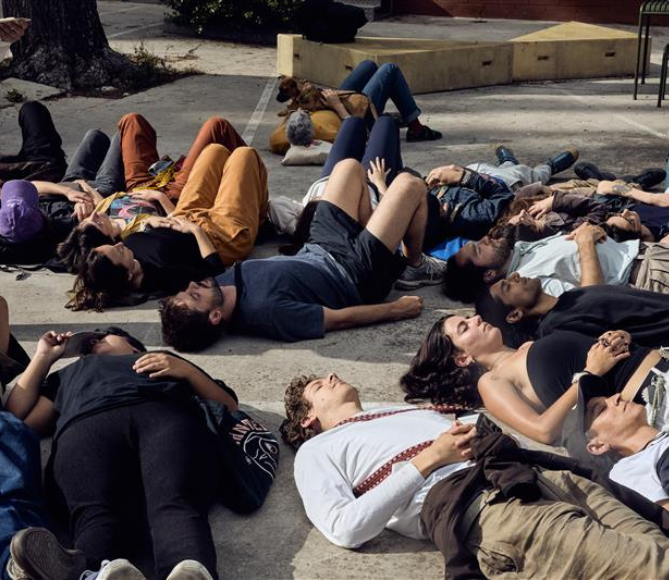
Within this context, drawing was approached as an open and shared practice, developed through direct contact with materials, spaces and people. Through experiences of collective movement, students explored the landscape by following the logic of a herd, engaging their bodies in relation to the territory and developing a more conscious awareness of the rhythms, presences and dynamics of their surroundings.
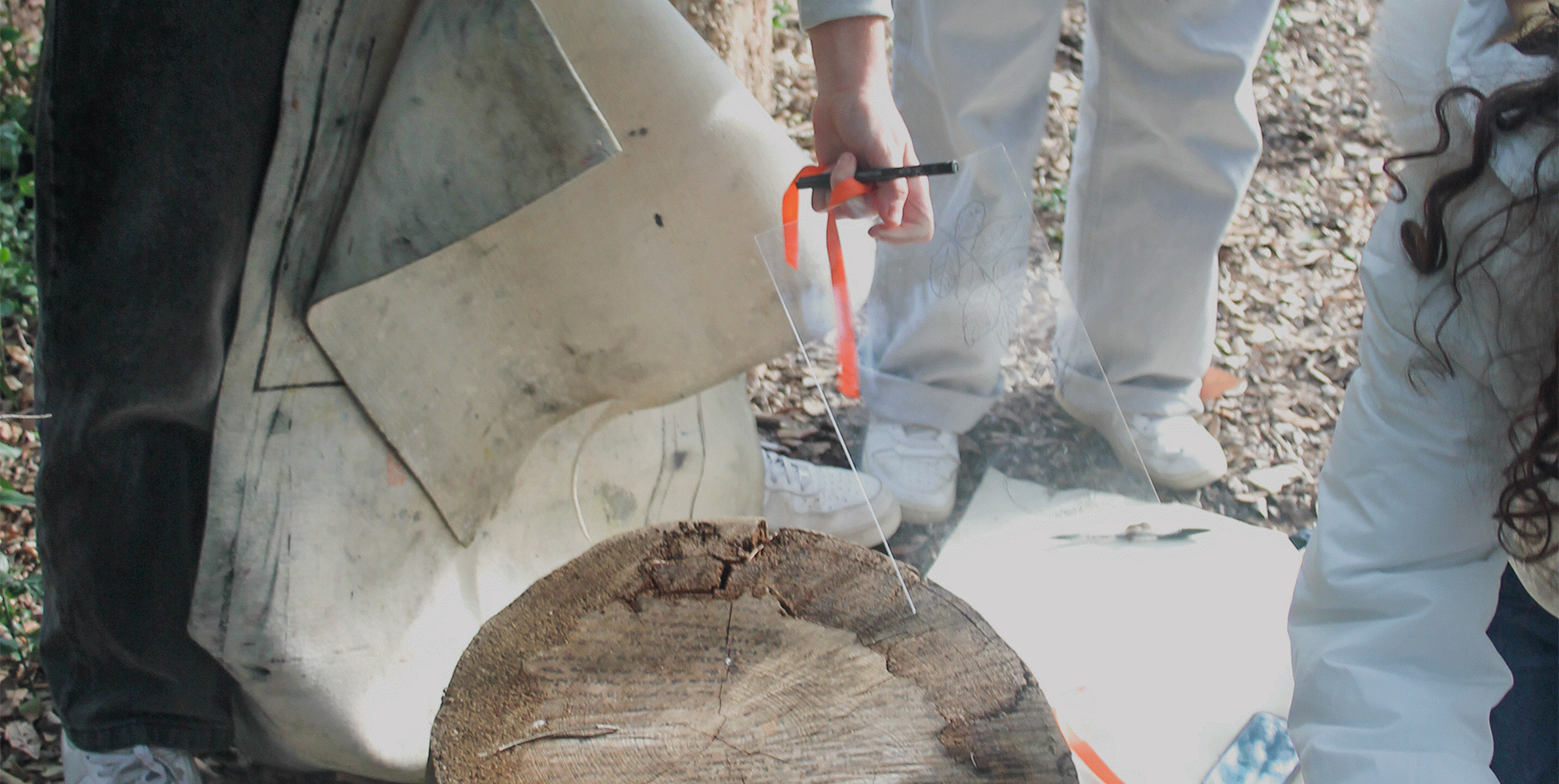
Beyond representing the landscape, drawing it became a way of moving through it, observing it and reflecting on it collectively. A tool for recording experience, generating knowledge and establishing connections, but also for experimenting with practices of care and alternative forms of coexistence. Sortir a pastar thus proposed a way of learning from and with the territory, understanding design and art education as relational practices capable of opening up new possibilities for imagining and inhabiting a shared world.