
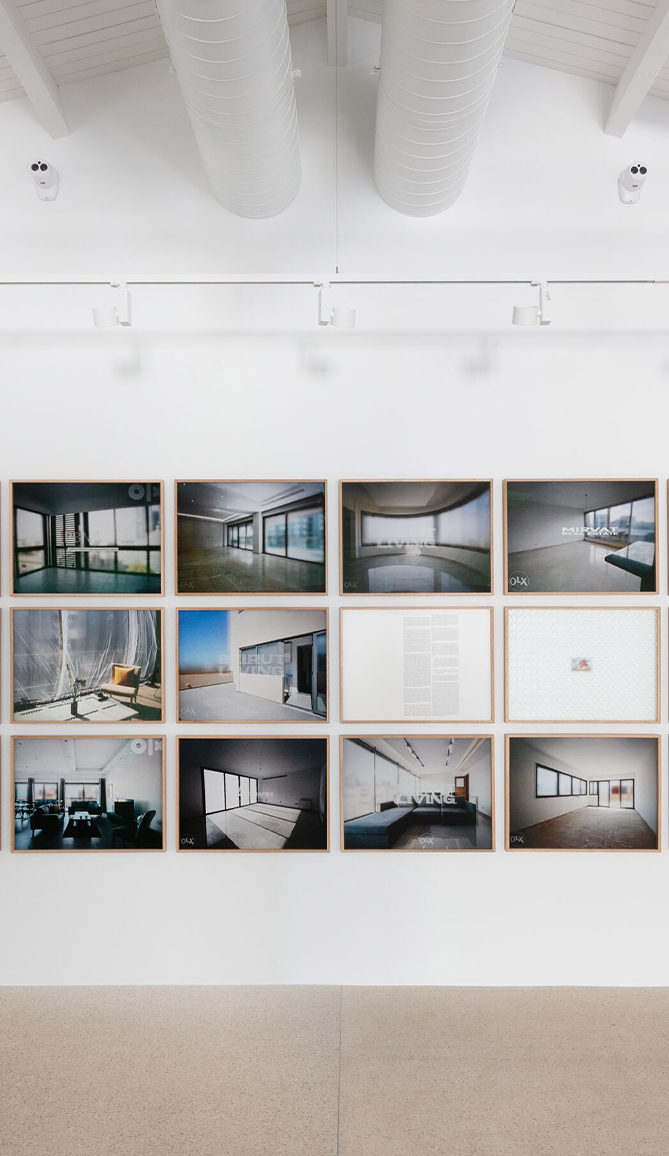

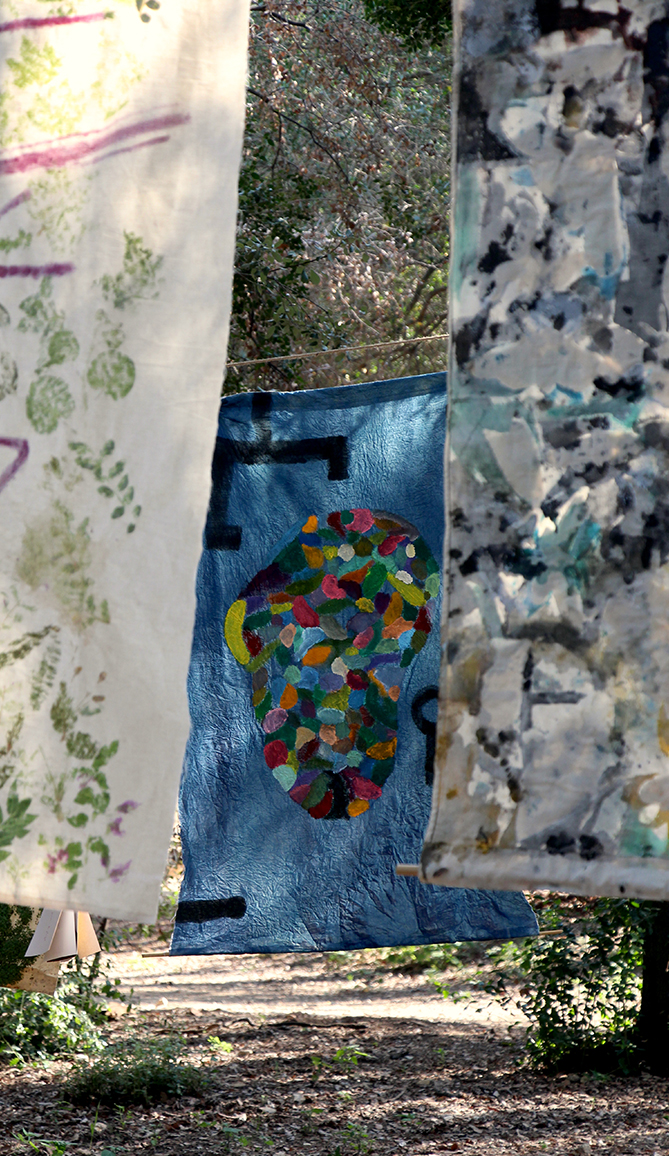

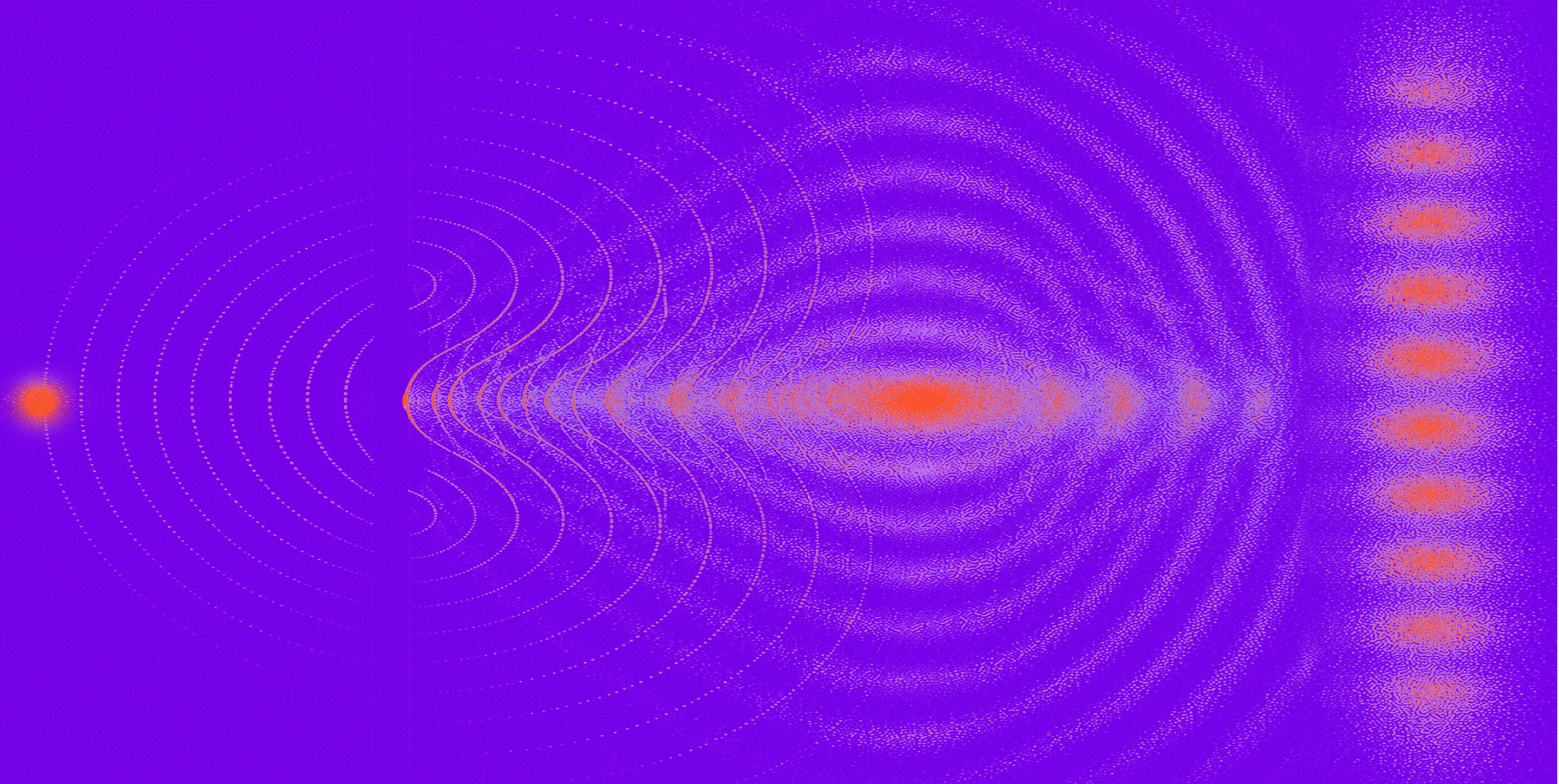
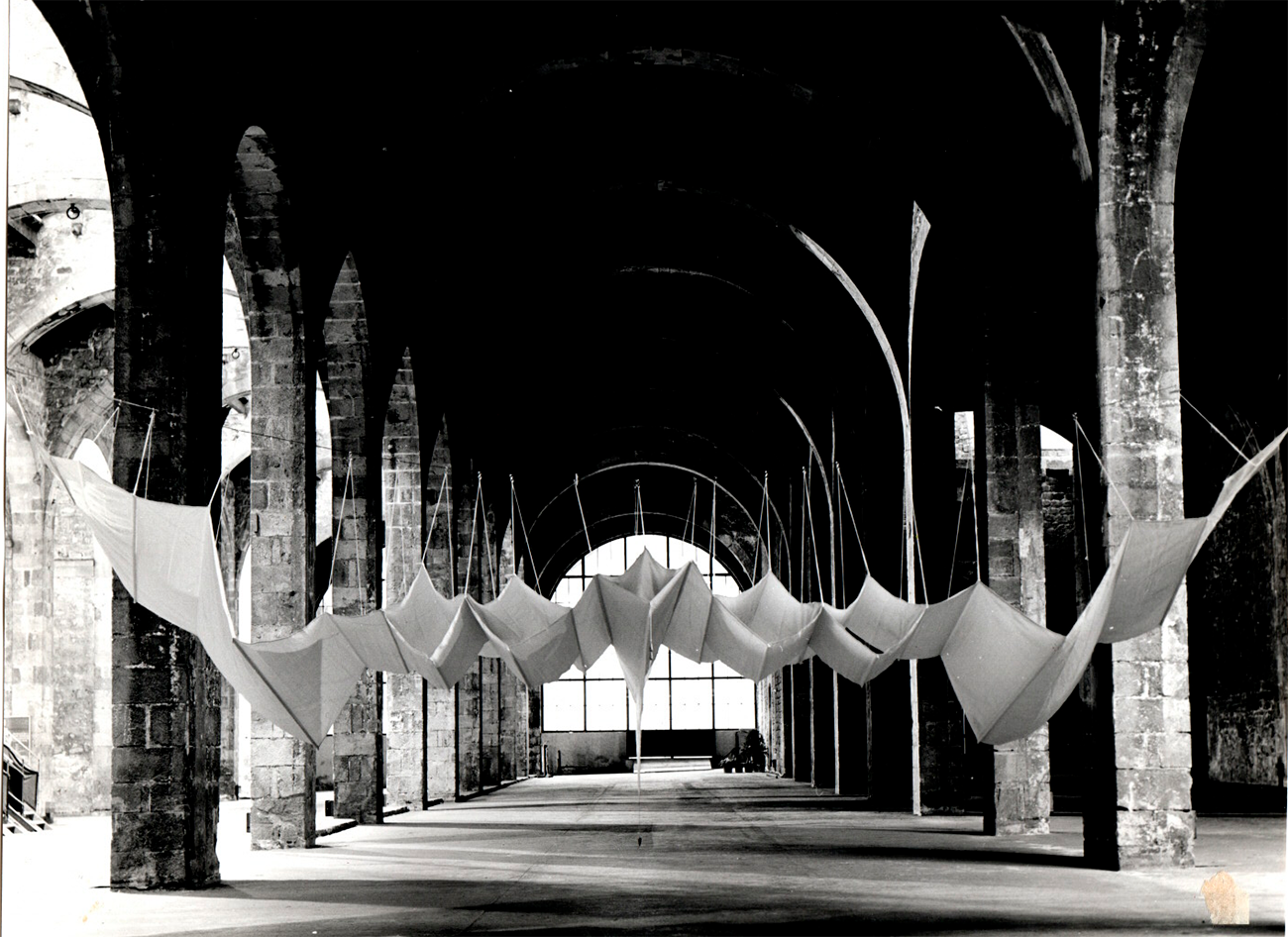
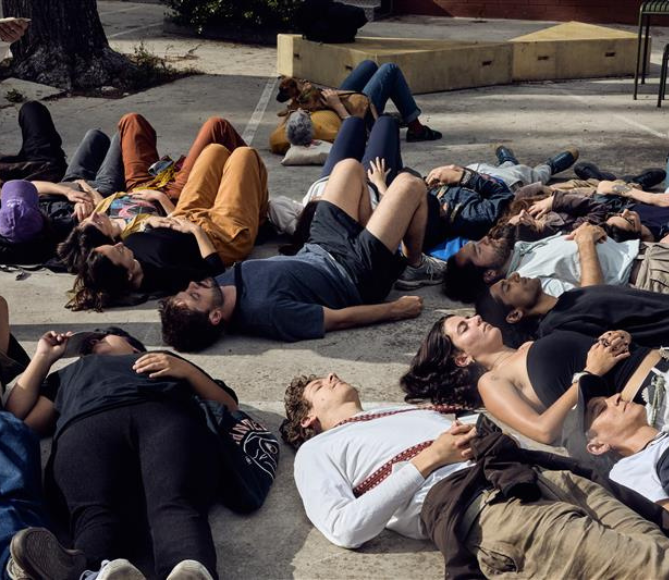
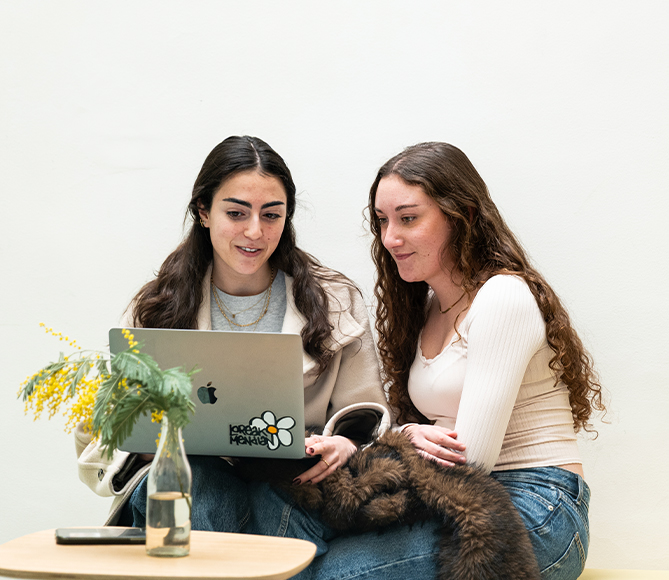

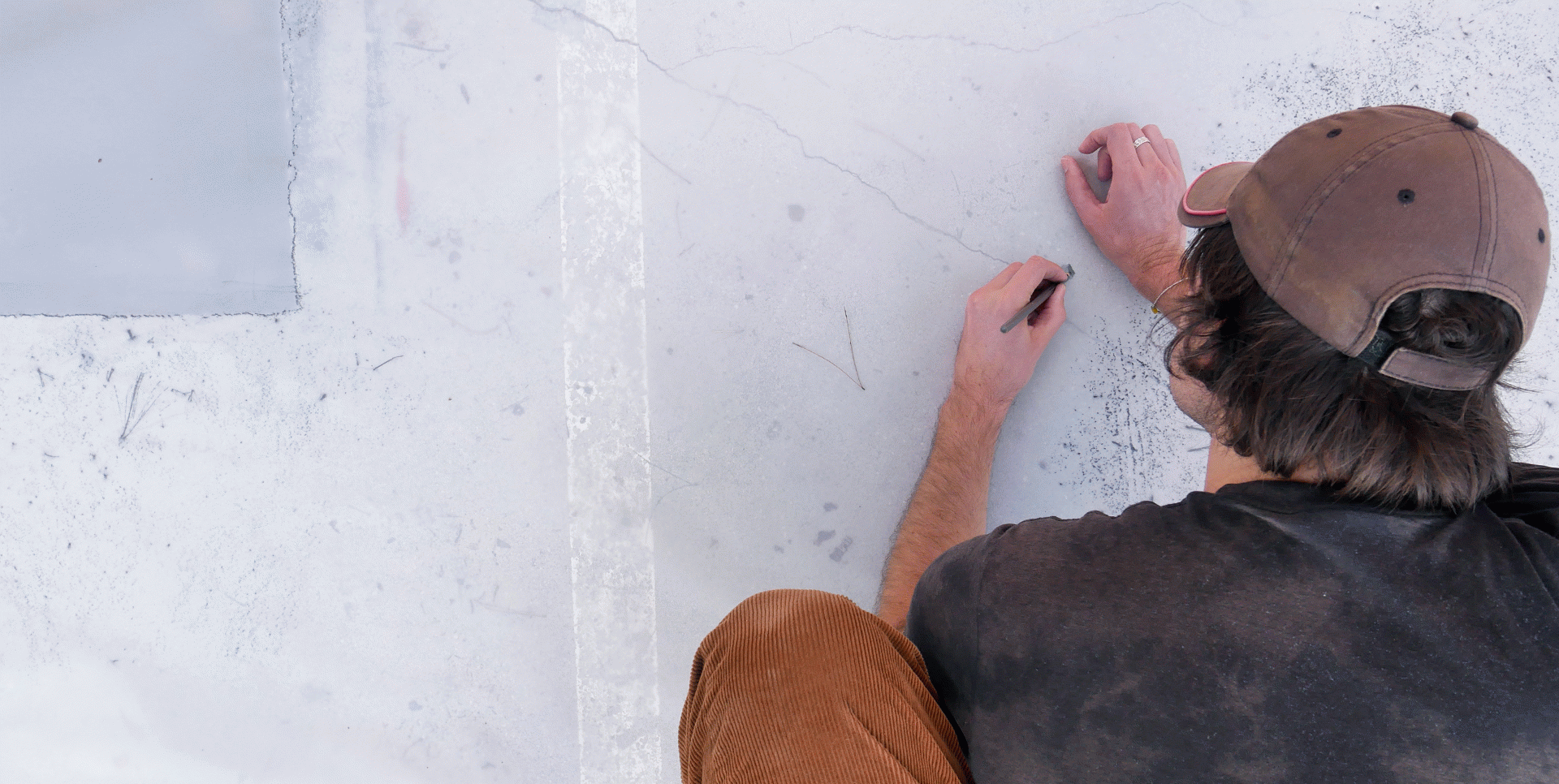
The Levantar el Suelo seminar, led by researchers Lara García Díaz and María García Ruiz, is a theoretical and practical activity that invites participants to rethink soil and the underground from multiple perspectives: philosophical, biological, anthropological, sociological, ecological, and creative. It took place within the framework of the Master’s in Research in Art and Design (MURAD) on November 5 at Eina Bosc.
This seminar is part of the European project Creative Europe SIT-PLU: Situated Creative Practices for the Pluriverse, an initiative focused on research and the development of situated creative practices that promote plural and sustainable worldviews, to be developed at Eina between 2025 and 2027.
The seminar’s goal is to conceive the underground as a living, relational space, where subterranean collaboration networks between species—such as mycorrhizae or rhizospheres—converge, but also as a cultural, political, and technological territory. The proposal aims to broaden the perspective on soil beyond its natural dimension, understanding it as a system of material and affective interconnections.
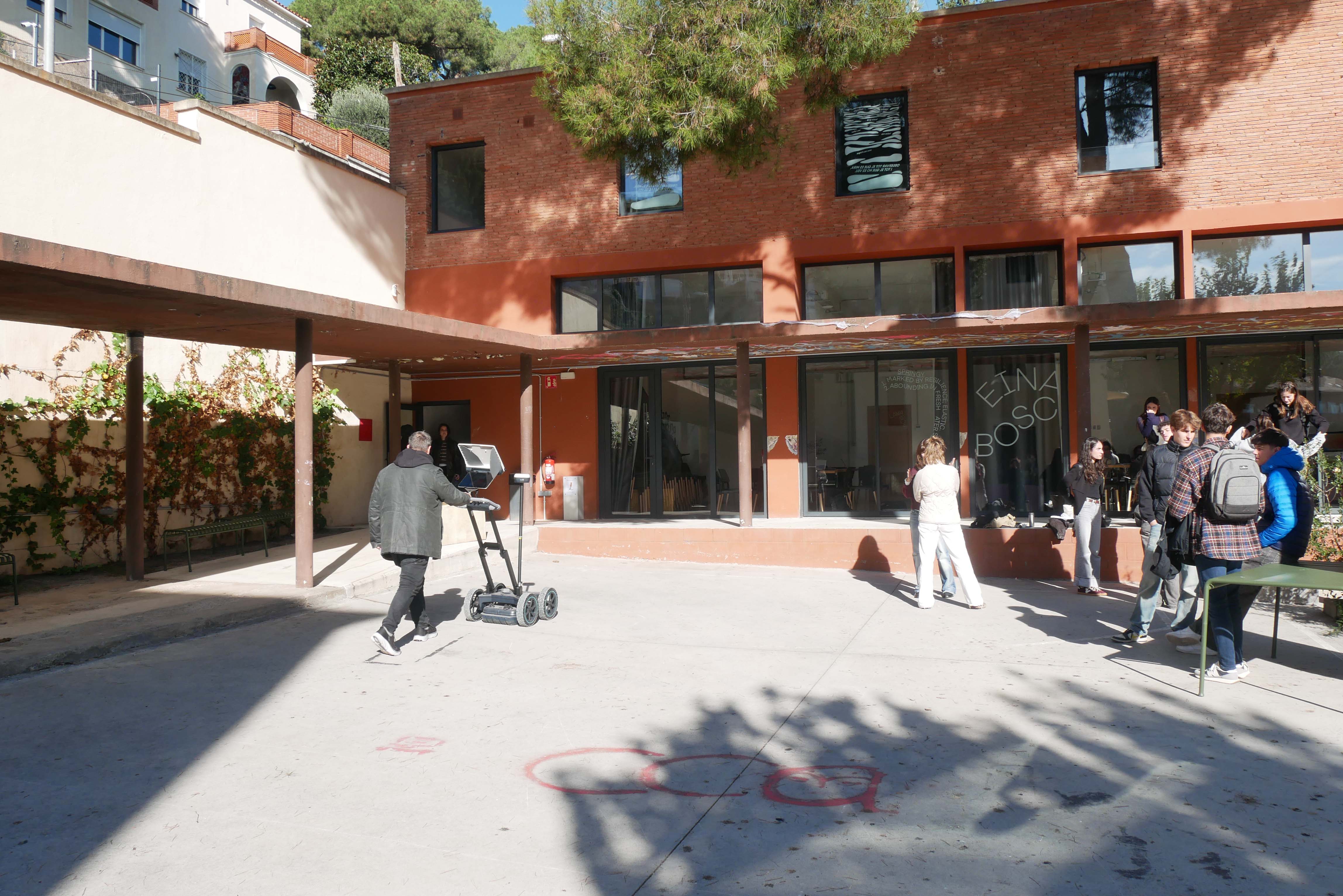
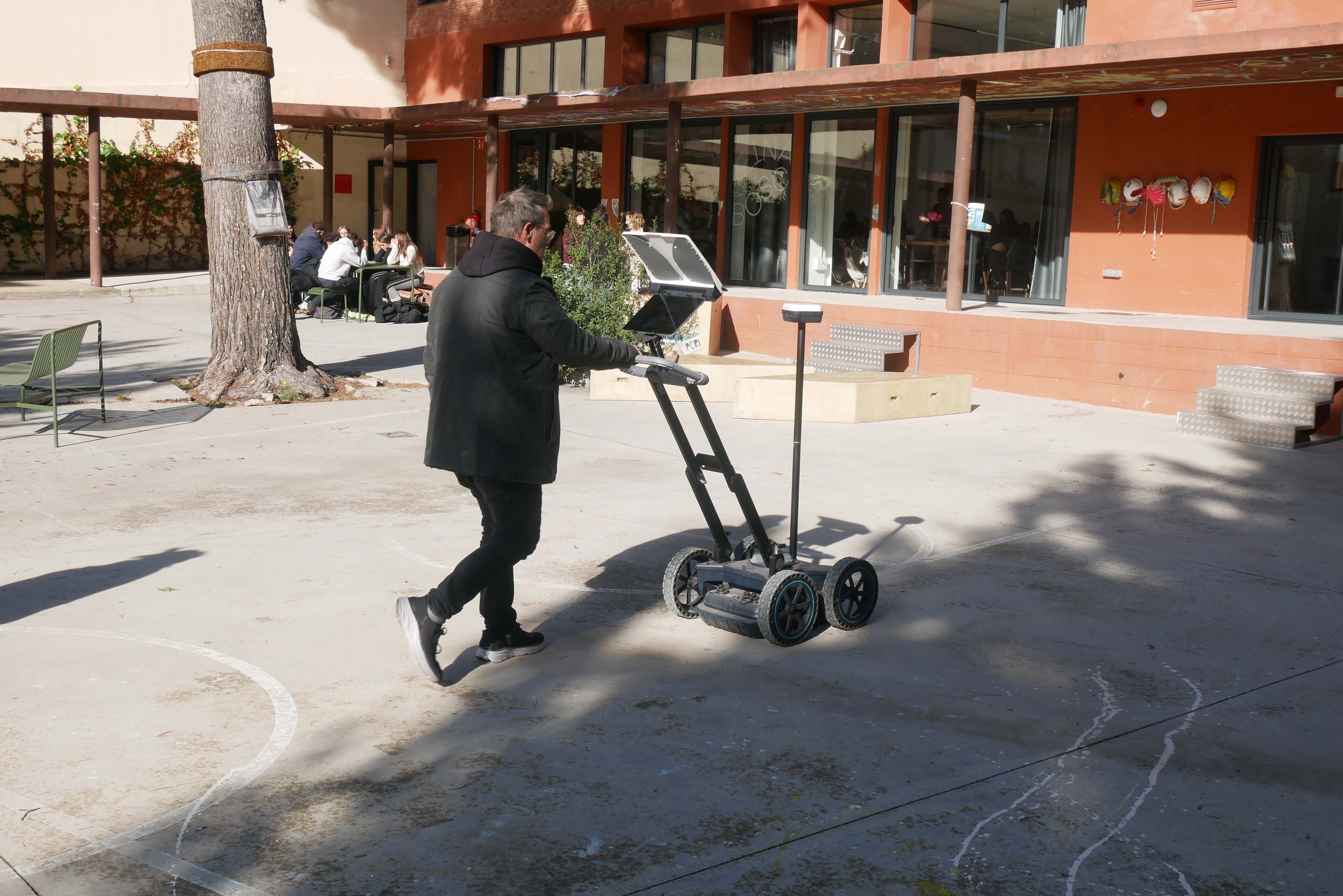
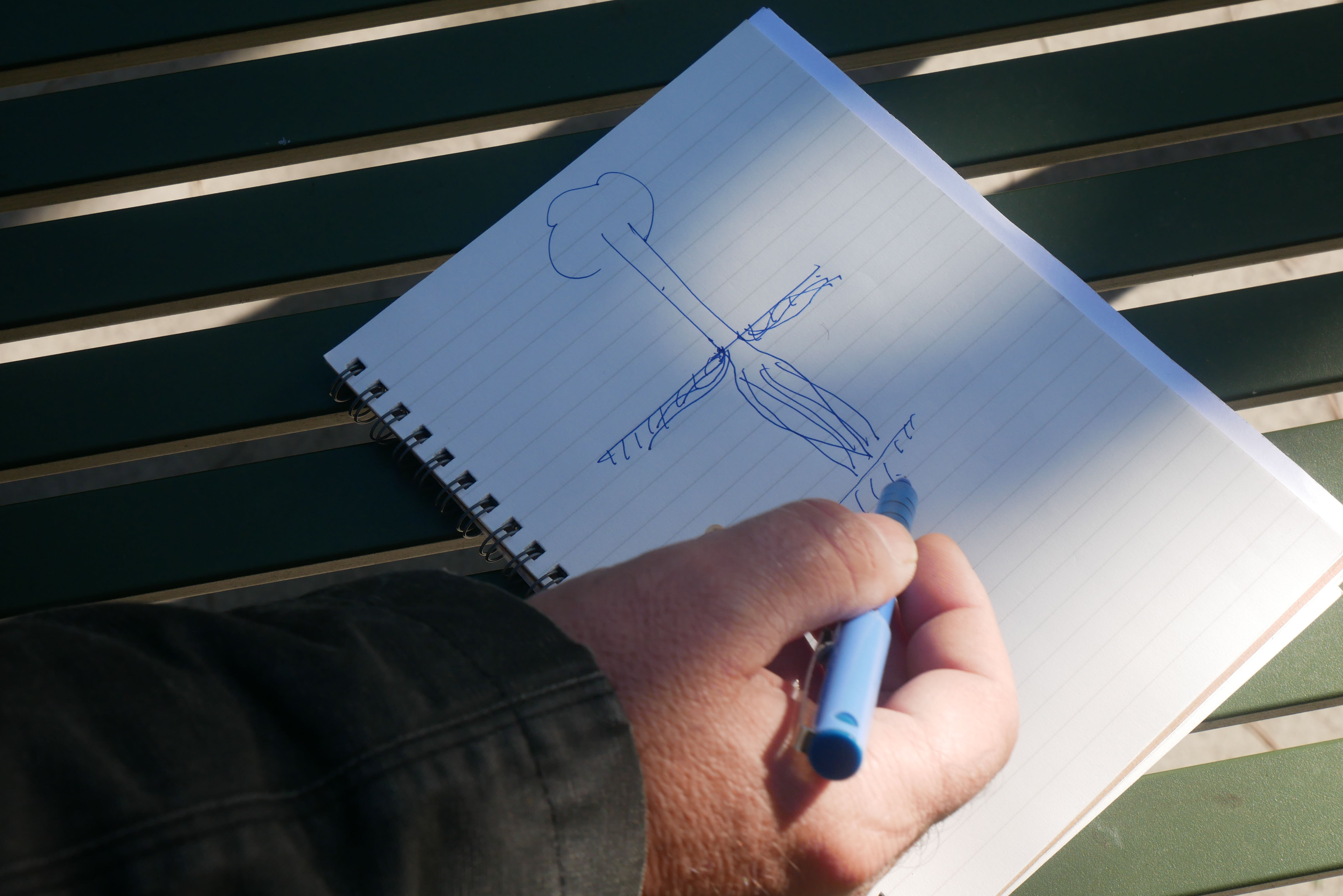
One of the highlights of the activity will be a demonstration with ground-penetrating radar (GPR), a non-invasive geophysical technique that allows “seeing” underground using radio waves. Participants will receive brief training on the use and objectives of this technology from specialists, who will also guide different documentation methods to share afterward.
Ground-penetrating radar (GPR) is commonly used in fields such as archaeology, engineering, or geotechnics to detect buried structures, moisture, or roots without excavation. In this context, it becomes a tool for reflection and creative experimentation on our relationship with the underground territory.
 Seminari Aixecar el Sòl: una exploració filosòfica i tecnològica del subsòl
 Seminari Aixecar el Sòl: una exploració filosòfica i tecnològica del subsòl
 Seminari Aixecar el Sòl: una exploració filosòfica i tecnològica del subsòl